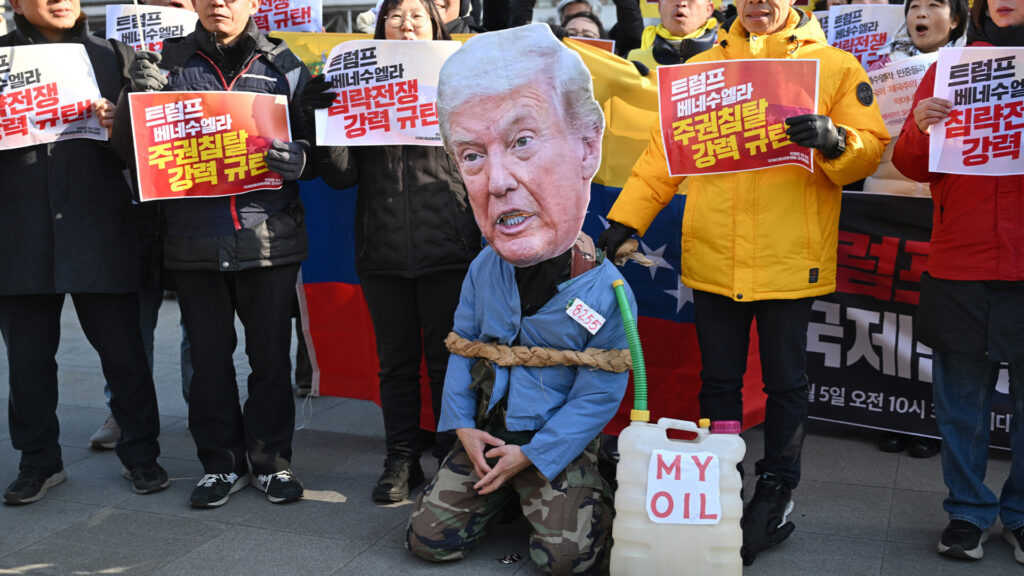
Across the globe, politically charged chants such as “Down with America” have echoed in protests from Tehran to Latin American capitals, signaling widespread dissent directed at U.S. policies and influence.
In Iran, this phrase has long been a staple expression reflecting deep-seated mistrust and opposition to American foreign policy, particularly since the 1979 Islamic Revolution. The chant symbolizes resistance not only to perceived U.S. imperialism but also to sanctions, military interventions, and diplomatic pressures that Iranians associate with American aggression and interference.
Moving to South America, the chant has found a resurgence amidst rising anti-U.S. sentiment linked to historical and contemporary grievances. In countries like Venezuela, Cuba, and Bolivia, where leftist governments have clashed with Washington, “Down with America” rallies embody frustrations over economic sanctions, attempts at regime change, and perceived exploitation of the region’s resources.
The chant’s global presence highlights a shared narrative: opposition to what many see as American hegemony. It resonates with populations that feel marginalized or undermined by U.S. actions—whether through economic pressures, military involvement, or political interference.
This widespread use also reflects the political symbolism of the chant. It is used strategically by governments and political movements to unify people around a common cause, invoking nationalism and sovereignty, and often serving to distract from internal issues by focusing blame externally.
Critics argue that the slogan oversimplifies complex geopolitical dynamics and can perpetuate adversarial relationships without fostering constructive dialogue. Nonetheless, understanding the chant’s appeal requires acknowledging the historical contexts and grievances driving anti-American sentiment.
Ultimately, “Down with America” is more than a slogan—it’s a manifestation of geopolitical tensions and a plea for recognition of sovereignty and dignity in the face of overpowering influence. From the streets of Tehran to rallies in Caracas and beyond, these chants voice a powerful and persistent call for change in international relations.