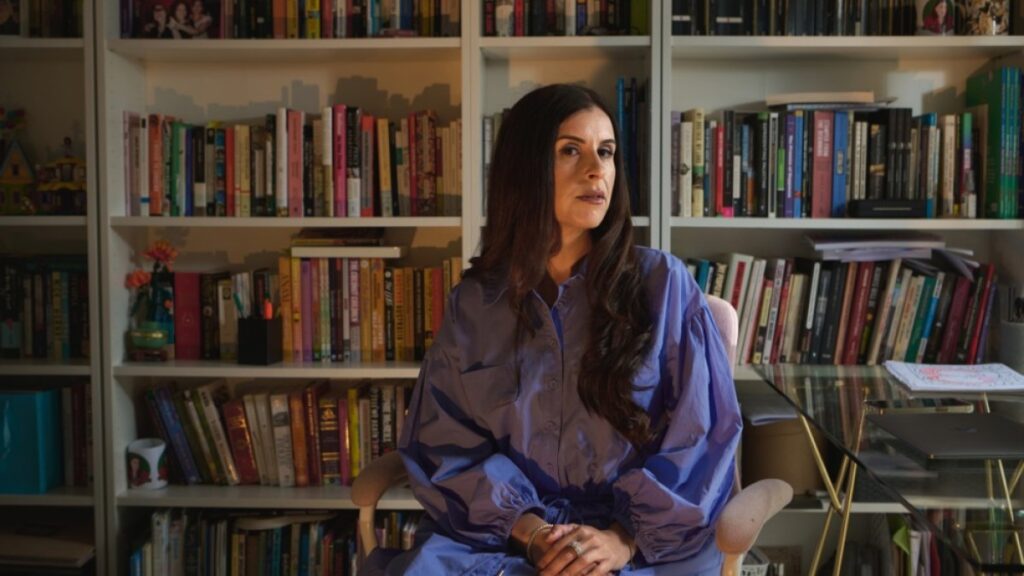
The Australian Writers’ Festival has issued a formal apology to Palestinian author Randa Abdel-Fattah after a boycott controversy emerged surrounding her participation in the festival. The situation attracted significant attention when the festival board initially faced criticism for actions that were perceived to exclude or sideline Abdel-Fattah based on political grounds. Randa Abdel-Fattah, a well-known Palestinian-Australian writer, raised concerns about the boycott which she felt undermined her position and contributions to the literary world.
Following the public backlash and internal review, the festival’s board acknowledged the misstep and conveyed their sincere apologies to Abdel-Fattah. The apology emphasized the festival’s commitment to inclusivity, diversity, and the free exchange of ideas, which is fundamental to the spirit of such literary events.
In response, Abdel-Fattah accepted the apology gracefully, expressing her appreciation for the board’s reflection and willingness to address the matter openly. She highlighted the importance of dialogue and understanding in diverse cultural and political contexts, which are often reflected in the narratives shared by authors worldwide.
Looking ahead, Randa Abdel-Fattah has indicated that she will consider the festival’s invitation to participate in the 2027 event. Her potential involvement marks a hopeful step towards reconciliation and demonstrates a renewed commitment by the festival organizers to embrace a broad spectrum of voices, including those representing Palestinian perspectives.
This incident has sparked broader discussions in Australia and international literary communities about the challenges of navigating politics within cultural events. It underscores the delicate balance festival organizers must maintain to uphold artistic freedom while respecting diverse and often conflicting viewpoints.
The Australian Writers’ Festival, established to celebrate literature and connect readers with authors from various backgrounds, aims to learn from this experience. Organizers have promised to implement clearer guidelines and foster an environment that supports open, respectful engagement across all facets of storytelling and authorship.
Abdel-Fattah is recognized for her powerful storytelling that often explores themes of identity, social justice, and the Palestinian experience. Her work resonates with readers worldwide and contributes significantly to the multicultural fabric of Australian literature.
The apology and the prospective revival of Abdel-Fattah’s participation signal an encouraging move towards inclusivity and respect for diverse narratives. It also reflects a broader cultural shift towards acknowledging and addressing past grievances to foster unity through literature.
As the festival looks toward 2027, all eyes will be on how it navigates inclusivity and political sensitivities, setting a precedent for other cultural events in Australia and beyond. Meanwhile, Abdel-Fattah’s response serves as a reminder of the power of forgiveness and the importance of continuing dialogue despite disagreements.
This development invites ongoing reflection on how art and politics intersect and challenges all stakeholders in the cultural sector to champion respect, understanding, and shared humanity through their platforms and programs.