The geopolitical significance of Greenland has recently drawn renewed attention, especially due to former President Donald Trump’s expressed interest in acquiring the island. While Trump’s proposal to purchase Greenland was widely dismissed internationally, it has nonetheless spotlighted the strategic and economic importance of the Arctic region. This heightened focus could compel Greenland and European nations, particularly those involved in Arctic affairs, to seek a compromise with Trump’s administration or similar U.S. strategies moving forward.
Greenland, an autonomous territory within the Kingdom of Denmark, sits atop vast reserves of critical minerals, including rare earth elements vital for modern technologies like electronics, electric vehicles, and military hardware. As global competition intensifies for these resources, Europe’s demand for secure access grows alongside U.S. interest.
A potential minerals deal between Europe and the United States regarding Greenland could thus serve multiple purposes: rewarding American investments or influence in Greenlandic mining ventures, securing supply chains for strategically important materials, and creating economic incentives for local Greenlandic authorities.
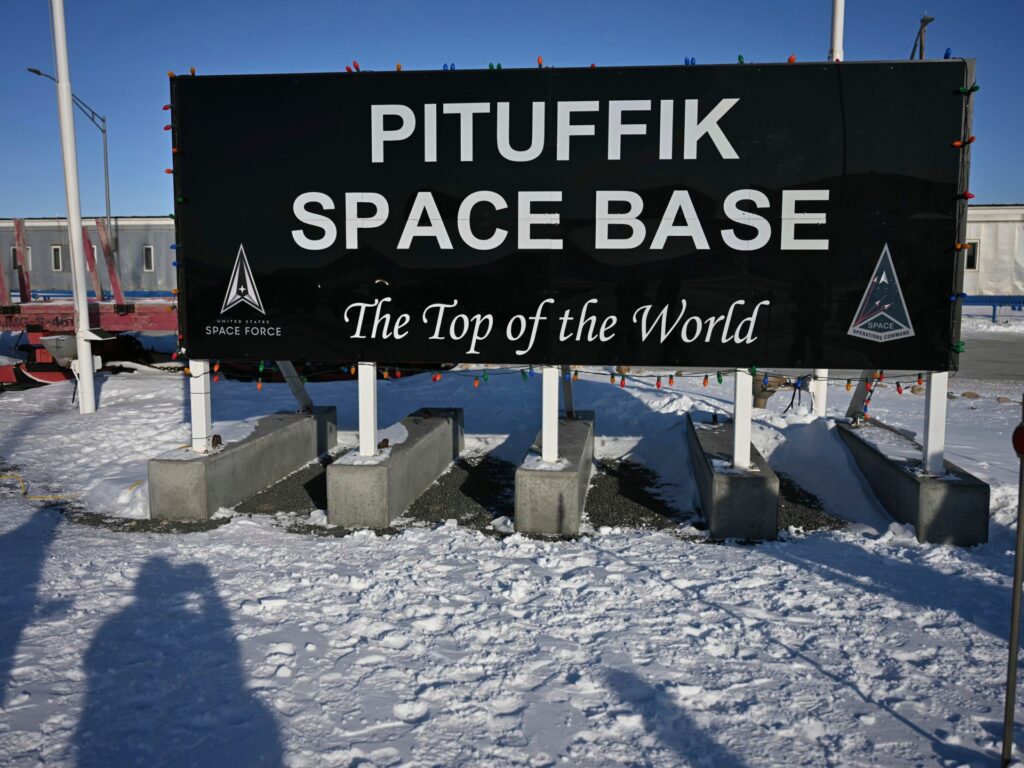
From the U.S. perspective, establishing greater security presence on Greenland aligns with broader defense objectives. The Arctic ice melt opens new maritime routes and increases access to untapped resources but simultaneously raises security concerns, including Russian and Chinese military activities. Enhancing U.S. military installations or surveillance capabilities in Greenland could bolster NATO’s Arctic defenses and reassure European allies of American commitment to regional security.
On the other hand, a deal balancing mineral access and security might soften American ambitions over Greenland’s sovereignty while maintaining the island’s strategic importance. European countries, especially Denmark, must weigh the risk of alienating a key ally against the benefit of enhanced economic and security cooperation.
However, it remains uncertain whether such arrangements will fully satisfy Trump’s demands or broader U.S. geopolitical goals. President Trump’s stance on Greenland appeared driven by nationalist and transactional impulses, emphasizing direct acquisitions and unilateral gains. Negotiated compromises might find favor with other U.S. policymakers but could fall short of Trump’s personal ambitions.
Furthermore, the Greenlandic people’s views play a crucial role. Any mineral deal or increased U.S. presence must consider local priorities, including economic development, environmental protection, and cultural autonomy.
In conclusion, the evolving dynamic among Greenland, Europe, and the United States suggests that compromise involving minerals and security could become a pragmatic pathway. While such a deal might address some American priorities, the complexities of sovereignty, local interests, and transatlantic relations mean that the outcome is far from guaranteed. Europe may need to offer substantial economic incentives and security cooperation to balance the geopolitical weight of Trump’s approach, yet whether this will be enough to truly satiate him remains a matter of strategic speculation and ongoing diplomatic negotiation.