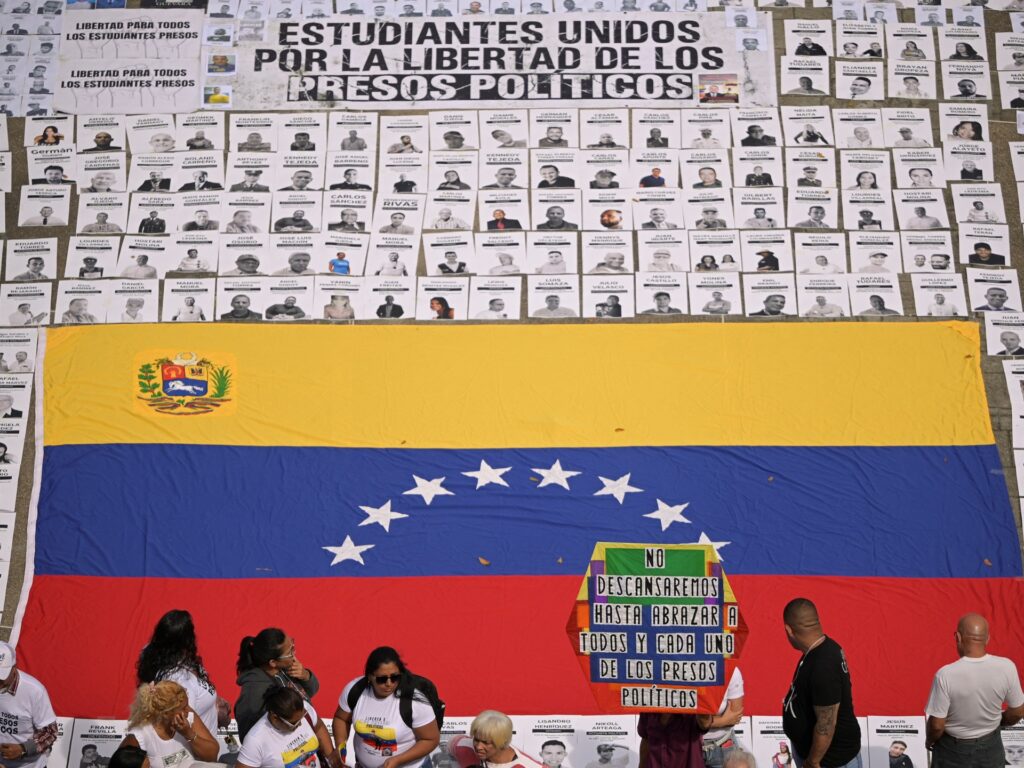
Venezuela’s top lawmaker recently announced the release of more than 400 prisoners, a statement that stands in stark contrast to reports from local human rights organizations. These groups contend that no more than 70 prisoners have actually been freed.
The announcement comes at a pivotal moment in Venezuela’s ongoing human rights and political discourse. Authorities maintain that the release of over 400 inmates is a demonstration of their commitment to justice and reform. However, human rights groups argue that the government’s claims are exaggerated or inaccurate.
Local rights organizations have been closely monitoring prison releases across the country and assert that their records show only around 70 individuals have been freed since recent reforms began. They suggest that official numbers may not account for many facets of the situation, including the continued detention of political prisoners and those held under contentious circumstances.
Analysts highlight that the discrepancy could stem from differing criteria for counting released prisoners. Government sources might include conditional releases, paroles, or transfers to house arrest, while rights groups could be counting only full releases.
The alleged releases are part of a broader context of Venezuela’s strained prison system, which has long been criticized for overcrowding, poor living conditions, and the detention of political dissidents. Prison reform has been a significant topic amidst growing international pressure on Venezuela to improve human rights standards.
The lawmaker’s announcement underscores the government’s narrative that progress is being made. It can also be seen as an effort to counter ongoing international and domestic criticism regarding justice and human rights practices.
Meanwhile, human rights advocates remain cautious, emphasizing the need for transparent reporting and independent verification of prisoner releases. They also continue to call for the release of all political prisoners and improved conditions within the penal system.
In Caracas and other major cities, public opinion remains divided. Some citizens view the government’s claims as a positive step towards reform, while others suspect that the situation remains largely unchanged, with the release numbers inflated for political gain.
International observers are urging for an impartial investigation to clarify the true extent of the prisoner releases. They note that accurate data is essential for assessing Venezuela’s commitment to human rights and the rule of law.
This situation highlights the challenges faced by many countries where official government statements and independent human rights groups differ significantly. The contrast between claims can impact both domestic politics and international relations.
Looking forward, the Venezuelan government’s next steps will be closely watched. Ensuring transparency, accountability, and genuine reform could bolster its credibility. On the other hand, ongoing disputes over such fundamental issues may deepen mistrust among citizens and the international community alike.
Ultimately, the fate of Venezuela’s prison population and the broader justice system reform remains a critical issue for the country’s future social stability and human rights landscape. Efforts to reconcile these conflicting reports about prisoner release numbers will play a crucial role in shaping perceptions moving forward.