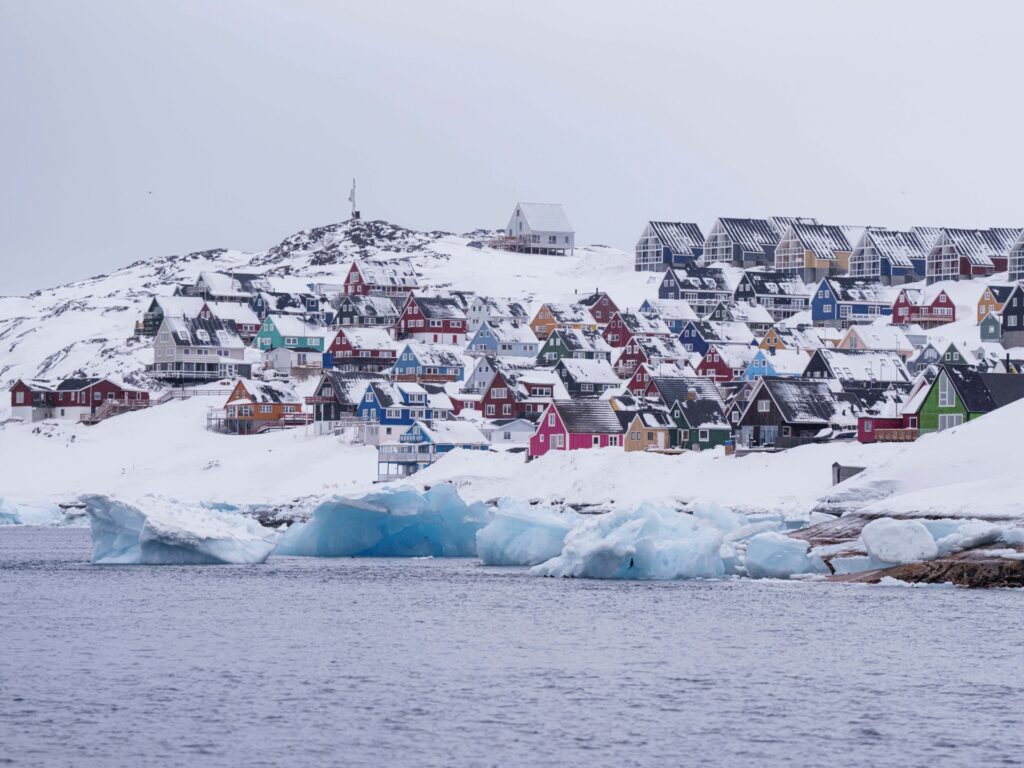
In a significant move reflecting bipartisan concern, several US senators have introduced a bill aimed at preventing former President Donald Trump from pursuing any plans to seize or annex Greenland. This Greenland, an autonomous territory that is part of the Kingdom of Denmark, has gained notable attention in recent times due to its strategic location and abundant natural resources. The senators’ legislation explicitly bars funding for any attempts to occupy or incorporate Greenland, which is a NATO member territory, into the United States.
The bill highlights the US government’s acknowledgment of international norms and the sovereignty of allied nations within the NATO alliance. It underscores the commitment of Congress members from both parties to uphold diplomatic respect and avoid unilateral actions that could destabilize international relations. By restricting the financial means necessary to support such endeavors, the bill effectively curtails any official government attempt to undertake such a territorial acquisition.
This legislation emerges against the backdrop of reports that former President Trump expressed interest in purchasing Greenland, a proposition that stirred controversy and international debate. The idea of acquiring the island, rich in rare minerals and positioned strategically in the Arctic, was perceived by many as an outdated and provocative approach to US foreign policy.
Greenland’s strategic importance has grown as climate change opens new shipping routes and exposes the island’s natural wealth. Hence, the island’s geopolitical significance is not just regional but global. This has invited keen interest from major powers, making sovereignty and rightful governance critical matters for the territory.
The proposed bill not only aligns with respect for established international boundaries but also reinforces the importance of NATO’s cohesion. It sends a clear message that the United States will respect the sovereignty of its allies and that unauthorized territorial expansions are not acceptable under current US policy.
Critics of Trump’s Greenland acquisition idea argued that such actions could damage US-Denmark relations and undermine trust in American foreign policy. The bipartisan support for the bill reflects a desire to maintain strong diplomatic ties and foster international stability.
This legislative move is part of broader efforts in Washington to regulate presidential powers related to foreign policy and territorial issues. By introducing clear prohibitions on using federal funds for such actions, Congress seeks to ensure checks and balances within the US government.
As global attention remains focused on the Arctic’s evolving dynamics, this bill represents a proactive step by the US Senate to prioritize diplomacy, international law, and alliance commitments over unilateral territorial ambitions. It serves as a reaffirmation of the United States’ commitment to international cooperation and respect for allied nations’ territories.