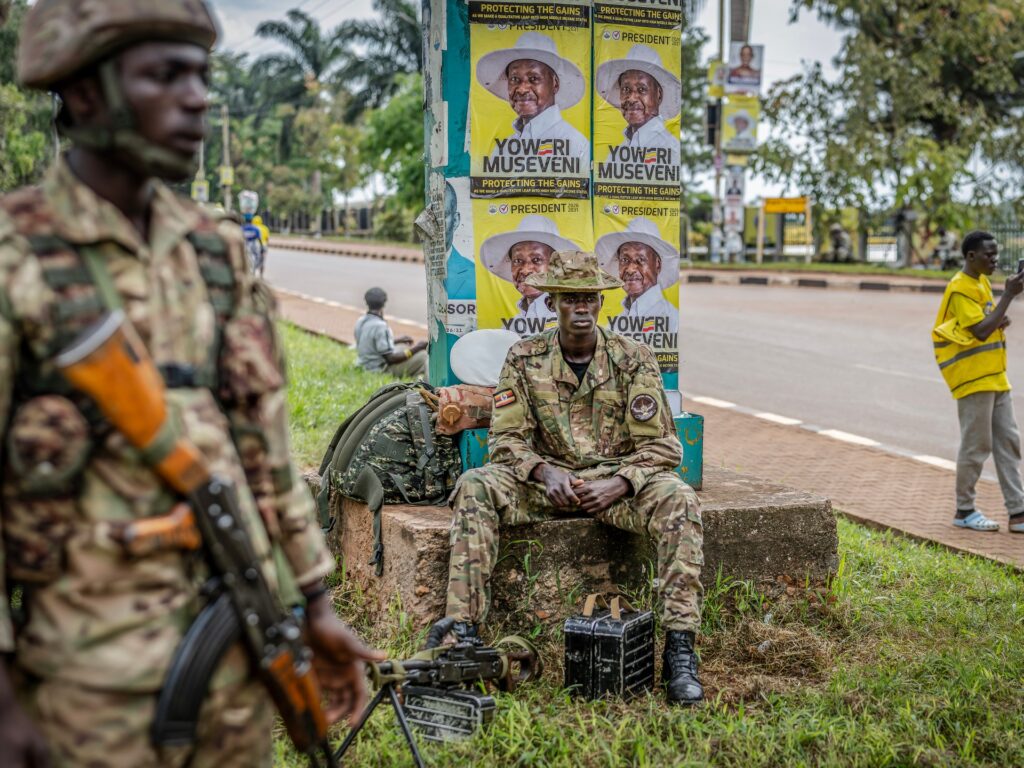
In a significant move that has sparked widespread concern, Uganda has instituted an internet blackout just days before its highly contested presidential election. This development comes as President Yoweri Museveni, who has been in power for over three decades, seeks an unprecedented seventh term. Museveni’s administration has faced intense criticism both domestically and internationally for its crackdown on opposition figures and suppression of dissent.
The government-imposed internet shutdown has been perceived by many as a tactic to stifle communication and restrict the flow of information during a crucial moment in the country’s democratic process. Citizens, activists, and international observers argue that such measures undermine transparency and may jeopardize the fairness of the electoral proceedings.
President Museveni has held office since 1986 and has been credited with bringing relative stability to Uganda after years of turmoil. However, his extended tenure has been marred by allegations of authoritarian rule, corruption, and human rights violations. The 2021 election cycle has been particularly tense, with opposition leaders facing arrests, intimidation, and limited access to media.
The decision to cut internet services is viewed by critics as part of a broader strategy to suppress opposition campaigning and limit mobilization efforts by rival political factions. Social media platforms, which have played a pivotal role in mobilizing young voters and disseminating information, are effectively rendered inaccessible during the blackout.
Human rights organizations and international bodies have condemned the internet blackout, urging the Ugandan government to restore connectivity and uphold democratic principles. They warn that such actions could deepen political instability and further alienate citizens from the electoral process.
Meanwhile, Ugandan citizens have expressed frustration and bewilderment at the disruption. Many rely on internet access for communication, business, education, and access to news. The blackout affects not only political engagement but also everyday life, illustrating the far-reaching consequences of restricting digital access.
The upcoming election results and the government’s handling of post-election developments will be closely watched by the global community. Observers hope that Uganda can transition towards a more open and inclusive political environment, where the voices of all citizens are respected and heard.
In summary, Uganda’s internet blackout ahead of its presidential election highlights ongoing challenges in the nation’s democratic journey. As President Museveni vies for another term amidst accusations of authoritarianism, the restriction of digital communication raises serious concerns about election integrity, freedom of expression, and the future of political opposition in the country.