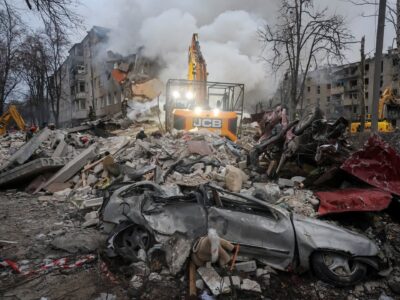
As the war in Ukraine continues to drag on, Russia is stepping up efforts to transform the occupied Donbas region into a massive military base, aiming to project power and intimidate Europe. Residents and analysts alike report significant changes underway in the Donbas, with Moscow restructuring the economy and infrastructure to serve its strategic military ambitions.
The Donbas, comprising the Donetsk and Luhansk oblasts, has been a focal point of conflict since 2014. Following the escalation in 2022, Russian forces took control of much of this territory. Since then, Moscow has been steadily converting this war-torn industrial heartland into a militarized zone bolstered by new bases, logistics hubs, and weapon storage facilities.
Local residents describe the profound transformation of their daily lives as factories once dedicated to coal and steel production have been repurposed for military manufacturing and maintenance. The economic focus has shifted entirely from civilian to military needs, resulting in widespread economic disruption and shortages of consumer goods.
Military analysts observe that the Donbas’s location serves as a strategic gateway into Eastern Ukraine and a buffer zone toward NATO countries. By building up its military infrastructure here, Russia aims to enhance its deterrence capability against European states, signaling its readiness to escalate or prolong the conflict if necessary.
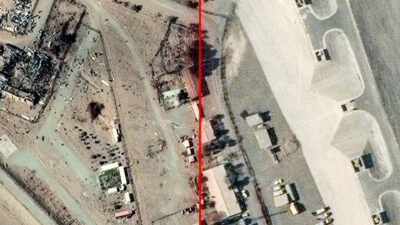
Satellite imagery confirms the expansion of Russian military facilities, including new missile systems, air defense installations, and troop barracks. Command centers have also been established to coordinate forces along the front lines and monitor the broader region.
This militarization comes amid increasing tension between Russia and Western nations, with the Kremlin seeking to assert dominance and project strength. The development of the Donbas into a military bastion is seen as a move to maintain leverage in any future negotiations or ceasefire talks.
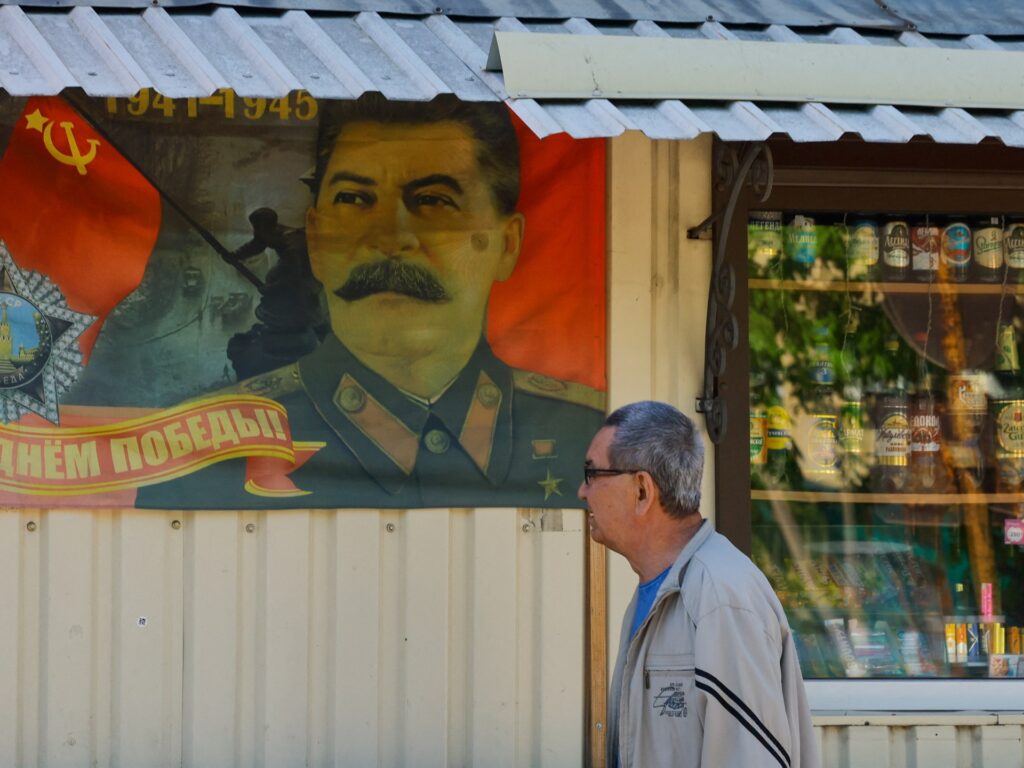
Residents express mixed feelings – some feel coerced or resigned to the new status quo, while others long for international intervention to restore peace and civilian normalcy. Human rights organizations continue to report abuses and hardships faced by civilians living under occupation.
The international community remains wary of Russia’s ambitions in the Donbas, with ongoing sanctions and support for Ukraine aimed at curtailing Moscow’s military expansion. The situation underscores the broader geopolitical contest playing out in Eastern Europe, where territorial control and military positioning have profound implications for regional stability.
In summary, Russia’s transformation of the occupied Donbas into a huge military base represents a strategic move to intimidate Europe and solidify its foothold in the region. The consequences for the people of Donbas have been severe, as the area’s economy is reshaped for war rather than peace, leaving the future uncertain amid continued conflict and international tensions.