Iran’s judiciary has announced plans to accelerate the trials of individuals accused in connection with the recent protests that have swept across the country. The government is taking a hardline stance, with prosecutors reportedly filing capital charges of ‘waging war against God’ against those labeled as ‘rioters and saboteurs.’
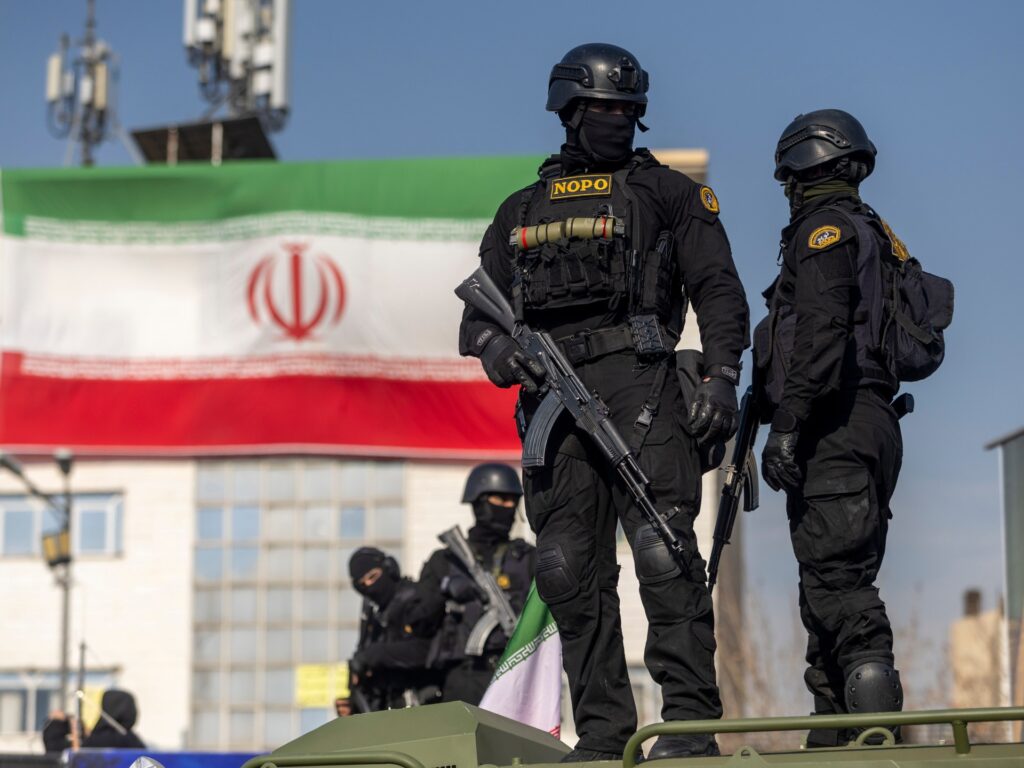
The protests, which began as demonstrations against economic hardships and political grievances, escalated into widespread unrest in several cities. The Iranian authorities have responded with a severe crackdown, detaining many protestors, activists, and alleged instigators. The judiciary’s move to hasten the legal proceedings signals the government’s intention to swiftly suppress dissent and send a strong message.
Capital charges such as ‘waging war against God’ (moharebeh) carry the possibility of the death penalty under Iranian law. This charge is often used against opponents deemed as threats to national security or the Islamic regime itself. By applying this charge, prosecutors emphasize the gravity with which the Iranian authorities view the protests.
Human rights organizations and international observers have expressed concern over the rapid pace of trials and the use of harsh charges against protestors. There are worries about fair trial standards, the right to defense, and the potential for coerced confessions. The implementation of swift judicial procedures, critics argue, may undermine transparency and due process.
President Ebrahim Raisi’s administration has reiterated its commitment to maintaining order and rooting out ‘enemies’ of the state, promising to handle the situation decisively. The judiciary’s speedier trial initiative aligns with this political directive, aiming to deter future protests and dismantle opposition networks.
Families of the accused have reported difficulties in accessing legal representation and information about court schedules, fueling calls for greater judicial transparency. The international community, including western governments and rights groups, has condemned the crackdowns and called for restraint and respect for human rights.
Iran’s laws permit the judiciary considerable discretion in dealing with protest-related offenses, often conflating political dissent with security threats. This legal framework has historically been used to stifle opposition voices and justify harsh punitive measures.
As the trials proceed at a rapid pace, the Iranian public remains deeply divided. While many support the government’s efforts to restore stability, others fear that the harsh judicial approach may exacerbate social tensions and further alienate segments of the population.
The unfolding events in Iran highlight the ongoing struggle between maintaining state authority and respecting citizens’ rights to free expression and assembly. The international community continues to monitor the situation closely, hoping for a peaceful resolution that upholds justice and human dignity.