Tensions between Iran and Israel have intensified following recent allegations from Tehran accusing foreign intelligence agencies of orchestrating a widespread protest movement within the country. The Iranian government has pointed fingers specifically at Israel’s covert operations, alleging that these actions are designed to destabilize the nation’s internal affairs. According to Iranian officials, the protests are not merely spontaneous expressions of public discontent but are heavily influenced, if not directly funded and coordinated, by external actors aiming to undermine the Iranian regime.
These claims come amidst a backdrop of heightened geopolitical friction, with Israel and Iran embroiled in a proxy conflict marked by cyberattacks, espionage, and clandestine operations. Israeli sources have neither confirmed nor denied involvement in the protests, maintaining a policy of strategic ambiguity. However, intelligence analysts suggest that Israel has long engaged in efforts to counter Iranian influence and curb its regional ambitions through a variety of covert means.
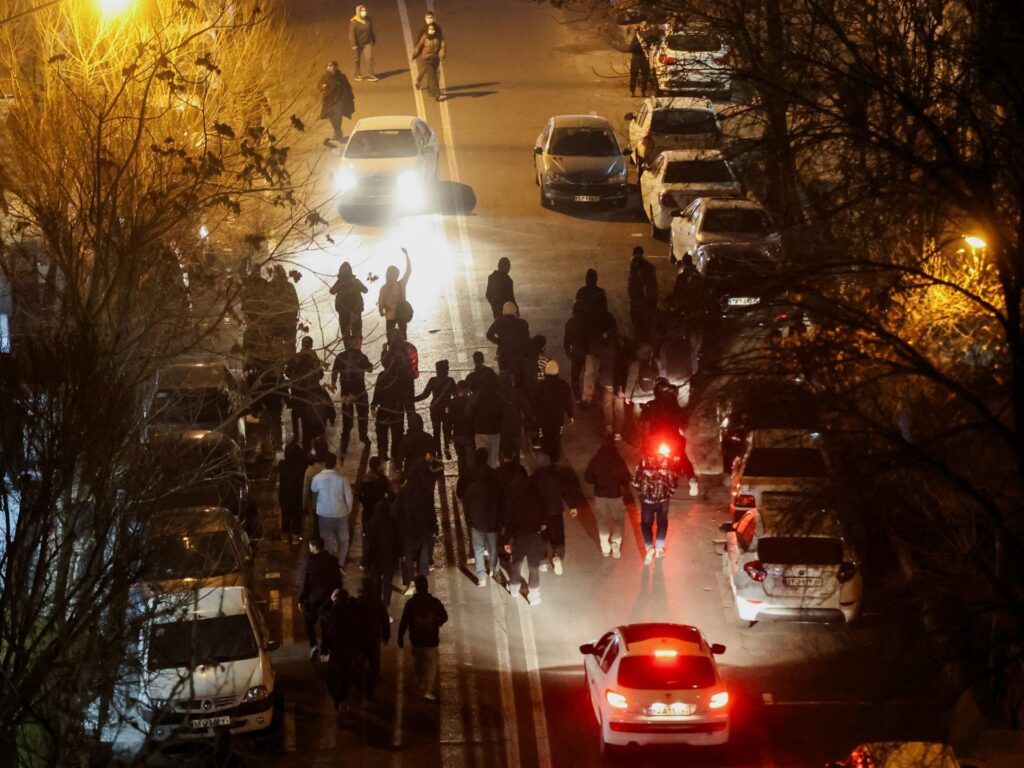
The current protest movement in Iran has seen significant participation across major cities, driven by grievances over economic hardship, political repression, and social issues. Despite the legitimate domestic causes cited by local activists, the Iranian leadership continues to frame the unrest as part of a larger scheme orchestrated by external enemies, particularly focusing on Israel’s alleged role.
Experts note that such accusations serve multiple purposes: bolstering national unity against perceived external threats, justifying crackdowns on dissent, and rallying international support by portraying Iran as a victim of foreign aggression. Meanwhile, human rights organizations have condemned the Iranian government’s harsh responses to protesters, calling for restraint and dialogue.
The international community watches closely as this situation develops, with concerns that escalating tensions could further destabilize the region. Diplomatic channels remain cautious, emphasizing the need for peaceful resolutions and highlighting the dangers of proxy conflicts spiraling out of control. As Iran continues to battle both domestic unrest and external pressures, the outcome of these tensions will have profound implications for Middle Eastern geopolitics and global security.