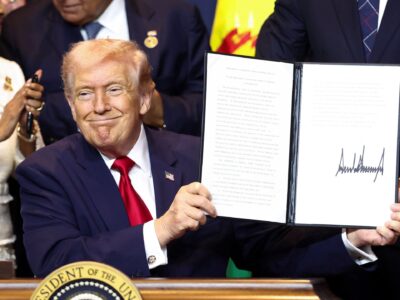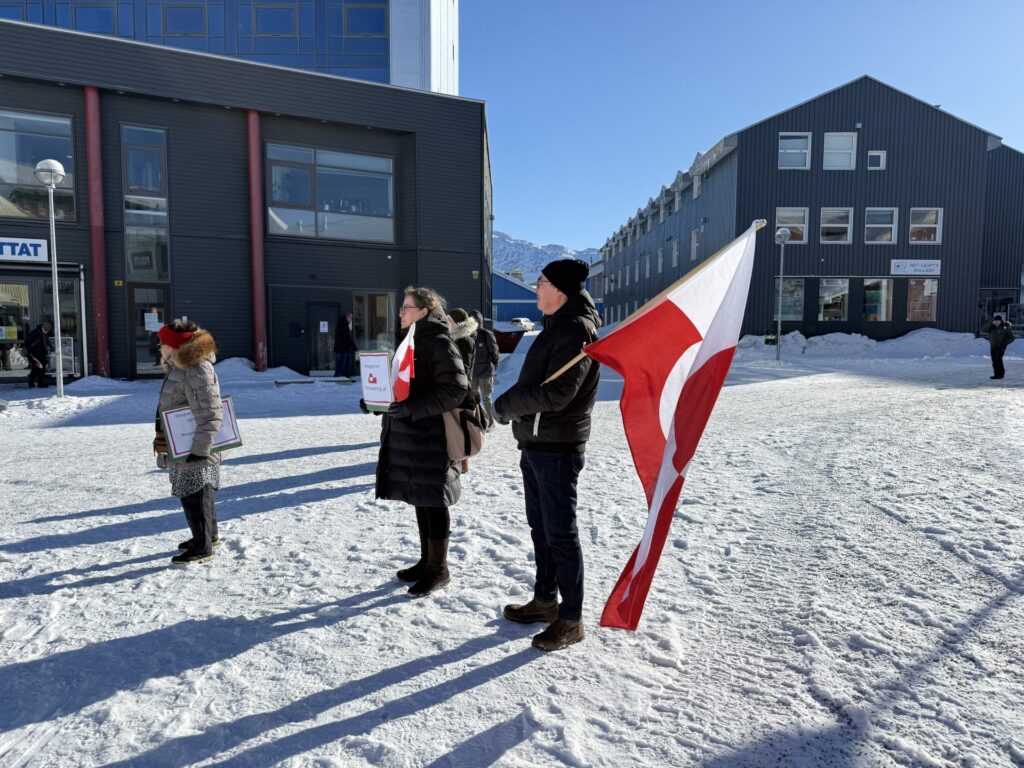
France is set to establish a consulate in Greenland, marking a significant political move amid rising tensions with the United States. This strategic development comes as Washington has reportedly threatened to seize the Arctic island, a decision that has ignited a crisis within the NATO alliance. Greenland, rich in natural resources and strategically positioned in the Arctic, has become a focal point of geopolitical interest. The US, under former President Donald Trump, expressed intentions to purchase Greenland, a proposal that was firmly rejected by Denmark and the island’s government. The renewed US interest and threats have heightened concerns among European nations about American intervention and dominance in the region. France’s decision to open a consulate is seen as a response to these US threats, aiming to assert its own presence and influence in Greenland. The move signifies a broader European effort to strengthen ties with Greenland and counterbalance US ambitions. French officials have emphasized the importance of Greenland for its role in Arctic security, environmental issues, and scientific research. The consulate is expected to facilitate diplomatic and economic cooperation, including areas such as resource management and climate change initiatives. This development reflects the increasing strategic importance of the Arctic in global politics, where countries are vying for influence over new shipping routes, untapped resources, and military advantages. NATO, traditionally a united front, is facing strains as member states grapple with differing interests over Greenland. The US’s assertive posture has alarmed European allies, who view it as a unilateral move that could undermine alliance cohesion. In addition to France, other European countries are likely to bolster their engagement with Greenland to safeguard regional stability and economic interests. The opening of the consulate is not merely a diplomatic gesture but a calculated move in the broader contest for Arctic influence. It highlights the challenges facing international cooperation in the region, given the growing competition among global powers. Greenland’s position has evolved from a remote territory to a central player in high-stakes geopolitical strategies. The island’s strategic location between North America and Europe, coupled with climate change opening new maritime routes, has amplified its importance. France’s initiative sends a clear message to the US and NATO members about the importance of collaboration and respecting the sovereignty of territories like Greenland. As the Arctic continues to attract global attention, the establishment of the French consulate will likely influence diplomatic dynamics and power balances in the coming years. This move underscores the complex interplay of diplomacy, security concerns, and environmental stewardship in an increasingly contested region. Observers will be watching closely how the US responds to France’s diplomatic expansion in Greenland, and whether it will alter the current trajectory of Arctic relations within NATO and beyond.