IRAN-ECONOMY/PROTESTS-ITALY
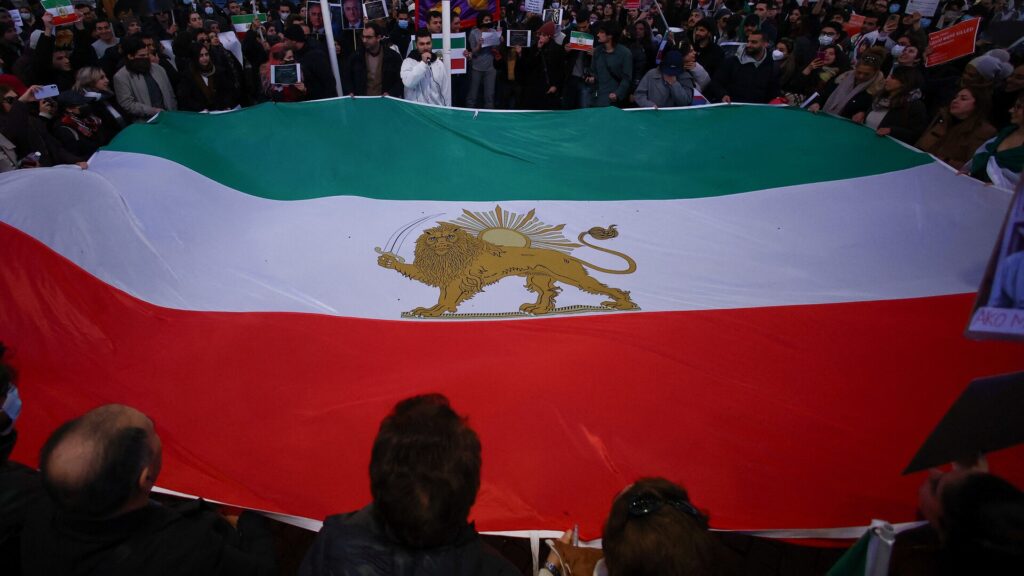
In the backdrop of recent widespread protests in Iran, several exiled Iranian opposition groups have emerged as vocal supporters of U.S. intervention. These groups, comprised largely of dissidents who fled Iran due to political repression, are actively encouraging demonstrators within Iran to escalate their actions and seize control of state institutions.
The opposition groups outside Iran, many of whom reside in the United States and Europe, have positioned themselves as allies to the protesters, advocating for a regime change and democratic reforms. Their calls to action include organizing strikes, occupying government offices, and pushing for the overthrow of the current administration.
Among the prominent exiled organizations are the National Council of Resistance of Iran (NCRI), which includes the People’s Mojahedin Organization of Iran (PMOI or MEK), and other dissident factions that have a long history of opposition to the Islamic Republic. These groups have frequently lobbied U.S. policymakers to adopt a more interventionist stance, including imposing sanctions and providing support to opposition activities.
Their backing of the protests is rooted in a desire to end what they describe as an oppressive regime that has stifled political freedoms, violated human rights, and mismanaged the country’s economy. The exiled groups argue that without external support, the opposition inside Iran lacks the resources and protection needed to mount an effective challenge.
The U.S. government’s approach toward these exiled groups varies, balancing strategic interests with concerns about sovereignty and regional stability. Some factions in Washington view the opposition groups as useful allies for applying pressure on Tehran, while others caution against direct intervention that could escalate conflict.
The Iranian government, on the other hand, condemns these exiled groups as traitors and foreign-backed entities trying to destabilize the nation. It accuses them of fomenting unrest and calls on the international community to denounce interference in Iran’s internal affairs.
Protests in Iran have been fueled by multiple issues including economic hardship, political repression, and social injustice. The involvement of exiled groups has added an international dimension to the unrest, complicating efforts toward a peaceful resolution.
Critics argue that while the exiled groups’ support may embolden protesters, it also risks turning a domestic movement into a proxy battleground for foreign interests, which could prolong conflict and suffering.
As demonstrations continue, the role of exiled Iranian opposition groups and their push for U.S. intervention remain a significant and controversial factor in Iran’s evolving political crisis.