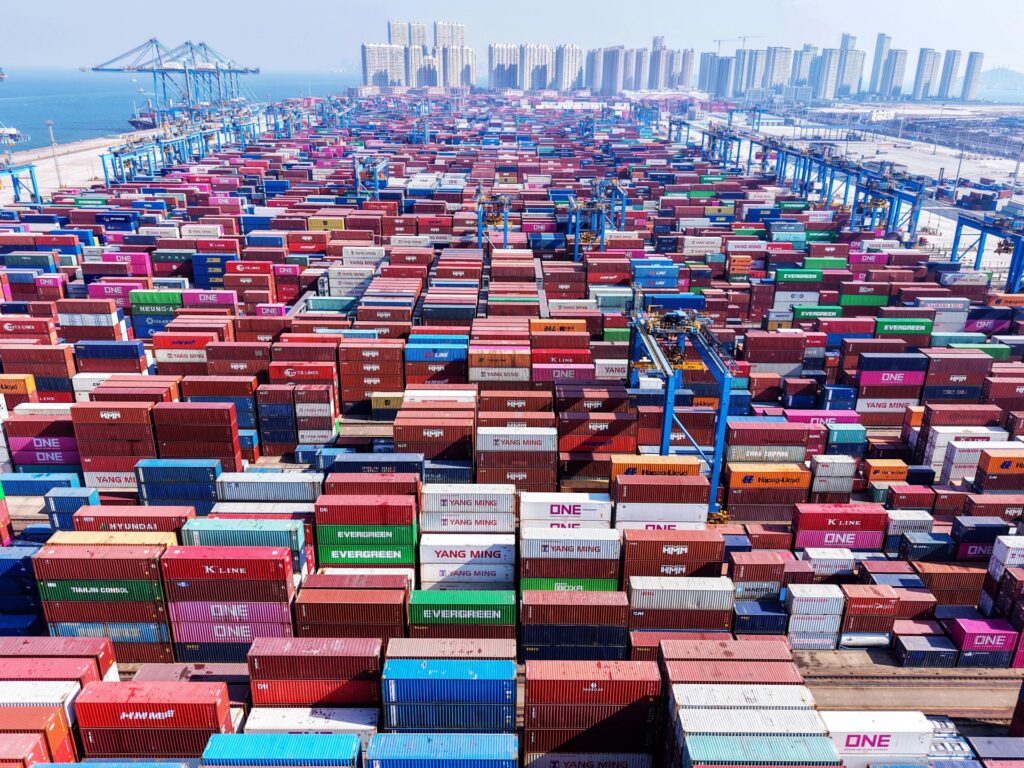
In 2025, China’s trade surplus has surged to an unprecedented level, nearing $1.2 trillion, despite ongoing trade tensions fueled by a tariff war with the United States. This remarkable expansion marks a significant milestone in China’s international trade dynamics as exporters have tactically adapted to the challenges imposed by US tariffs.
The friction between the world’s two largest economies over trade has been marked by a series of tit-for-tat tariffs initiated in recent years. The tariffs were intended to protect domestic industries within the US by making Chinese goods more expensive and less competitive. However, these measures have prompted Chinese exporters to strategically pivot towards alternative markets, mitigating the impact of US import duties.
China’s export growth has not faltered but instead expanded through diversification, targeting emerging and established economies across Asia, Europe, and Africa. This shift in trade routes has helped sustain and even boost the export volume, contributing significantly to the trade surplus.
Several factors have fueled this coping mechanism. Firstly, China’s robust manufacturing infrastructure has enabled high-volume production that can be redirected seamlessly to new markets. Secondly, innovations in logistics and supply chain management have lowered barriers for Chinese goods to integrate into global trade networks beyond just the US.
Analysts point out that China’s trade policies have also played a crucial role. Enhanced trade agreements and partnerships with countries in the Belt and Road Initiative have opened new avenues for commerce. Furthermore, Chinese exporters have increasingly focused on high-tech and value-added products, which face fewer tariff constraints and enjoy growing demand worldwide.
Despite these gains, the trade war has not been without strain. Some sectors in China have felt the pressure of diminished access to US markets, influencing domestic economic strategies lately. Beijing is now emphasizing technological self-reliance and innovation to reduce vulnerability to trade restrictions.
On the US side, the tariff policy has led to higher costs for American businesses relying on Chinese imports, prompting calls for reassessing the approach to trade diplomacy. Economic experts debate the long-term efficacy of tariffs as a tool for protecting domestic industries in a deeply interconnected global economy.
The soaring trade surplus is a double-edged sword; while it underscores China’s resilience and adaptability, it also highlights persistent imbalances in global trade relationships. As 2025 progresses, both China and the US face critical decisions that will shape the future of their economic interactions.
In conclusion, the near $1.2 trillion trade surplus achieved by China this year illustrates a complex picture of geopolitical rivalry, economic strategy, and market adaptability. While the US-China tariff war continues to influence global trade patterns, it also accelerates shifts in economic alliances and trade flows worldwide, signaling a transformative phase for international commerce and diplomacy.