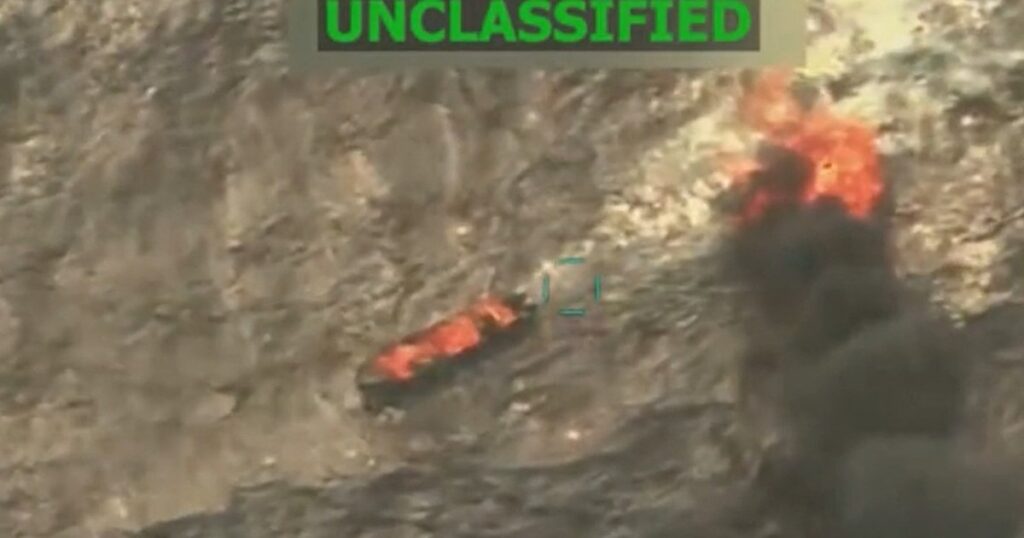
In a recent development that has raised serious international concerns, the United States is facing allegations of war crimes for reportedly disguising its military aircraft as civilian planes during a strike on a drug boat in September. According to The New York Times, this tactic of camouflaging military aircraft to appear like civilian ones was employed in order to conduct the attack, which has led to accusations that the US violated the laws of armed conflict.
The use of such deceptive measures in military operations is highly controversial, particularly in the context of international humanitarian law, which prohibits the misuse of civilian disguises during armed engagements. By painting its military aircraft to resemble civilian planes, the US is alleged to have blurred the lines between combatant and non-combatant entities, a practice that can increase the risk of harm to genuine civilian aircraft and persons.
Details of the September strike indicate that the aircraft involved were part of an operation targeting drug trafficking vessels, a mission that the US has consistently prioritized in its efforts to combat narcotics smuggling. However, the method used in this particular attack has prompted scrutiny from legal experts and human rights organizations, who argue that wartime deception must not compromise civilian protections.
International humanitarian law, including the Geneva Conventions, explicitly forbids perfidious acts—actions intended to deceive the enemy by falsely conveying protected status under the laws of war, such as the misuse of civilian emblems or disguises. The allegations imply that the US military’s conduct might contravene these provisions, leading to accusations of war crimes.
The US government has not officially commented on these allegations yet. However, if the claims are substantiated, there could be significant diplomatic repercussions and calls for accountability in international courts. The manner in which military operations are conducted, especially in sensitive missions like counter-narcotics, must adhere strictly to legal and ethical guidelines to maintain legitimacy and uphold human rights.
This incident highlights the ongoing complexities and challenges involved in modern military engagements, where distinguishing between combatants and non-combatants is crucial but sometimes difficult. It also underscores the importance of transparency and adherence to international law to prevent abuses and maintain global trust.
As the story develops, legal experts will closely analyze the available evidence to determine whether the alleged disguising of aircraft constitutes a breach of international law. Meanwhile, human rights advocates emphasize the necessity of safeguarding civilians and ensuring that military tactics do not exploit the protections accorded to civilian objects.
This situation serves as a potent reminder that the conduct of warfare is bound by strict rules designed to limit suffering and protect those who are not participating in hostilities. Allegations of this nature require thorough investigation to ensure justice and accountability in the face of modern warfare’s evolving challenges.