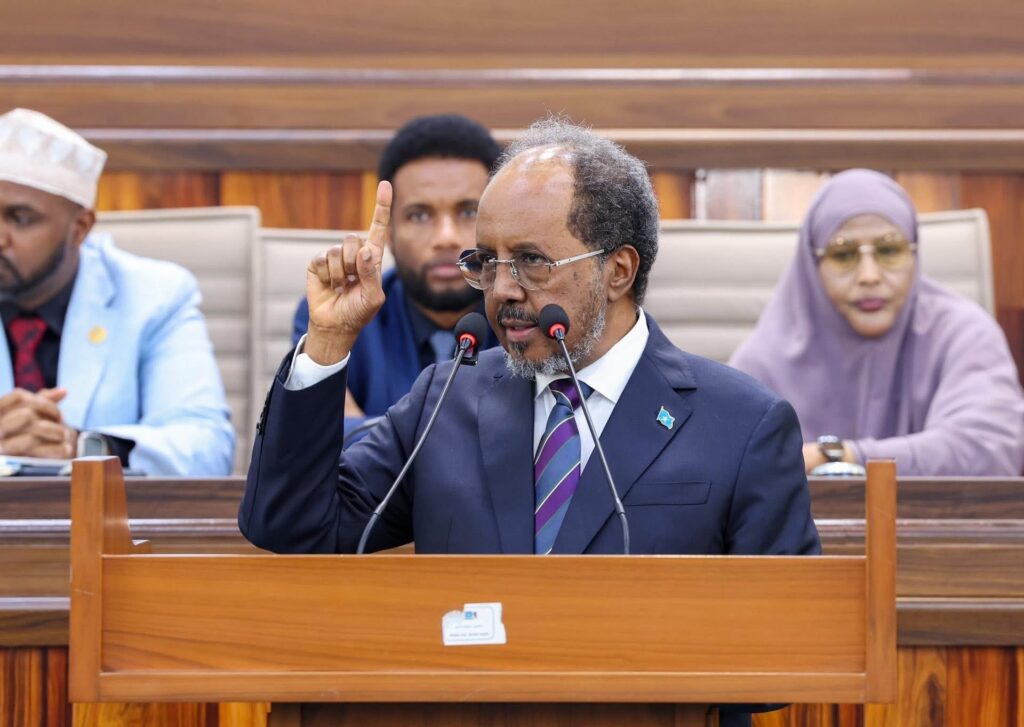
Somalia has officially canceled all agreements with the United Arab Emirates (UAE), citing alleged violations of its sovereignty by Abu Dhabi. This move marks a significant escalation in the deteriorating relationship between Somalia and the UAE, amid deepening tensions over issues of national unity and territorial integrity.
The Somali government has accused Abu Dhabi of interference in its domestic affairs, specifically pointing to actions perceived as undermining the country’s sovereignty. This includes allegations of the UAE supporting separatist factions and breakaway regions within Somalia, which the federal government regards as a direct threat to national cohesion.
The decision to annul all bilateral agreements comes as Somalia seeks to assert its authority over the disputed regions that have long been sources of instability and conflict. The Somali president and government officials have expressed strong disapproval of what they describe as Abu Dhabi’s involvement in internal matters that jeopardize peace and security.
The UAE has previously been engaged in various economic and security partnerships with Somalia, including investments in infrastructure and joint military operations aimed at combating terrorism and piracy in the region. However, the recent allegations suggest these collaborations have been overshadowed by political discord.
Somalia’s concerns center on the possibility that the UAE’s activities in certain breakaway areas might embolden separatist movements, potentially leading to further fragmentation of the country. The federal government has emphasized the importance of respecting Somalia’s sovereignty and territorial integrity in any foreign engagement.
This diplomatic rift underscores the complexities of regional politics in the Horn of Africa, where multiple external actors have vested interests. Somalia’s move to cancel agreements reflects its intent to uphold national unity and resist external pressures perceived as divisive.
Analysts believe that the cancellation of agreements will have significant implications for both countries, potentially affecting trade, security cooperation, and diplomatic relations. It also sends a strong message to other regional and international players about Somalia’s stance on sovereignty and self-determination.
The Somali government has called for dialogue and negotiations that respect the country’s legal and constitutional frameworks. Meanwhile, the UAE has not yet made an official statement responding to the cancellation of agreements.
As tensions continue, observers hope for peaceful resolutions that prioritize stability and development in Somalia, while respecting the sovereignty and integrity of all involved nations.