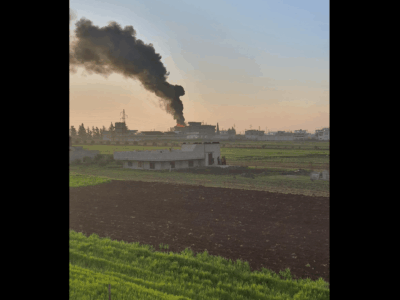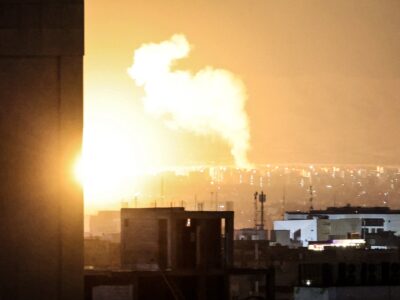
In a harrowing development in Southeast Sudan, the paramilitary Rapid Support Forces (RSF) launched a drone attack on an army base located in the city of Sinja. This brutal assault resulted in the deaths of 27 individuals, marking a tragic escalation in the ongoing conflict within the region.
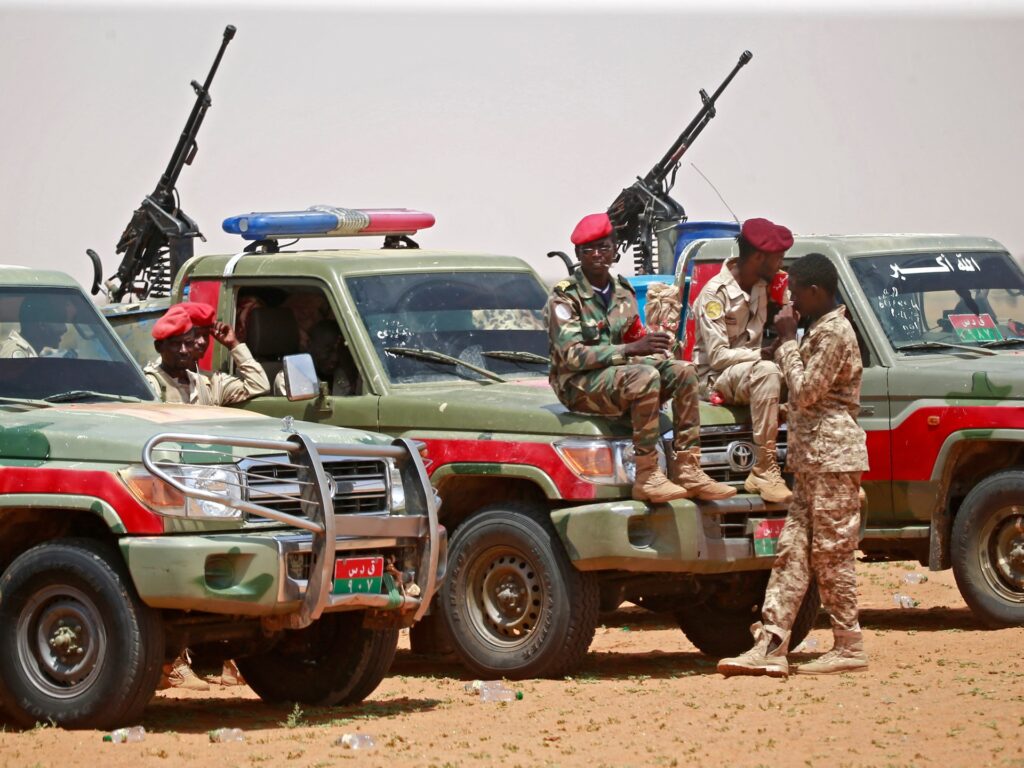
The RSF, a powerful paramilitary group in Sudan, has been involved in multiple confrontations with the Sudanese army in recent times, contributing to widespread instability and violence across the country. This latest drone strike is indicative of the increasingly sophisticated and deadly tactics employed by factions in the Sudanese conflict.
Sinja, a city in southeastern Sudan, has recently become a flashpoint for armed clashes. The use of drones in this attack signifies a new dimension in warfare tactics, complicating the conflict and raising concerns about the potential for more drone-related attacks in the future.
The attack reportedly targeted a military base, suggesting a strategic move by RSF forces to weaken Sudan’s army capabilities in the region. The 27 casualties underscore the severe human cost and the fragile security situation in the area.
The Rapid Support Forces, initially formed as a militia group, have grown into a formidable paramilitary force with considerable influence and firepower. Their involvement in military operations across Sudan has been a contentious issue, with allegations of human rights abuses and violations of international law.
The Sudanese government has condemned the attack, denouncing it as a violation of peace and a serious threat to national security. Calls for a ceasefire and negotiations have intensified, as the ongoing violence disrupts civilian life and destabilizes the region further.
Humanitarian organizations have expressed deep concern over the impact of such attacks on civilian populations, emphasizing the urgent need for conflict resolution and protection of innocent lives.
This incident highlights the growing complexity of the Sudanese conflict, where paramilitary forces like the RSF employ modern technology such as drones to assert control and challenge the government military forces. It also raises questions about the accessibility and regulation of drone technology in conflict zones.
International actors have been urged to intervene diplomatically to prevent further escalation and to assist in mediating a peaceful resolution between conflicting parties in Sudan.
As the situation remains volatile, the local population in Sinja and surrounding areas faces ongoing threats to their safety and livelihoods. The death toll from this drone strike serves as a stark reminder of the urgent need for comprehensive peace-building efforts in Sudan to end the cycle of violence and restore stability to the region.