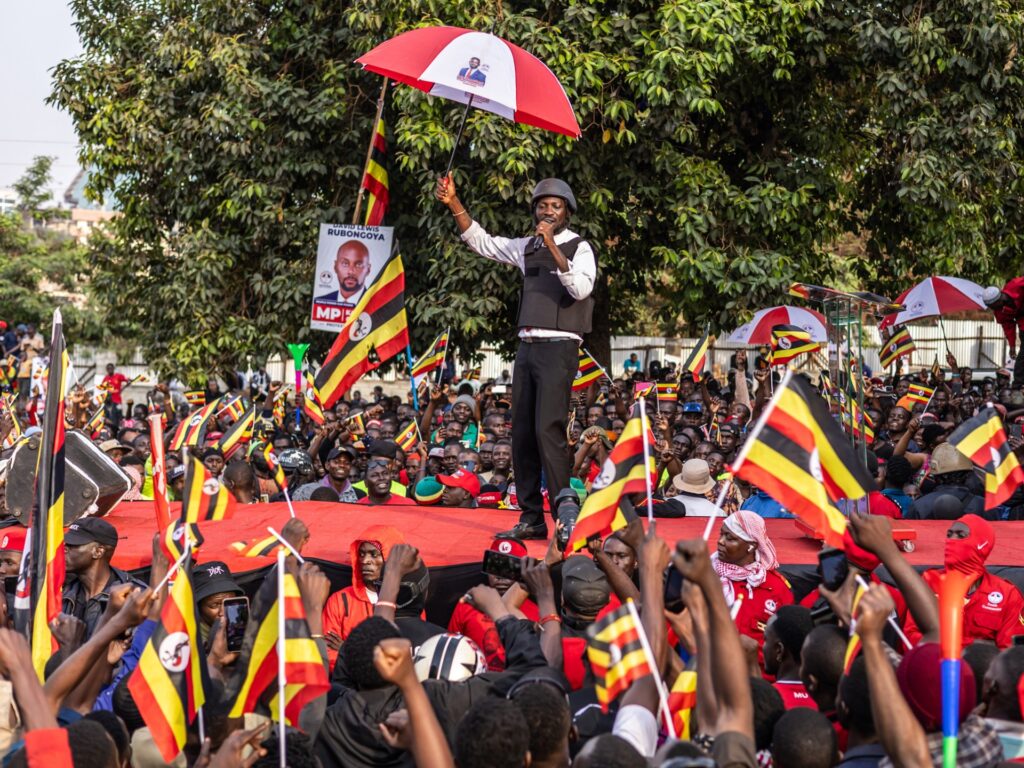
As Uganda approaches a pivotal election marked by heightened tensions, the country’s main opposition candidate, Bobi Wine, is rallying supporters with the call to “protect the vote.” Wine, a charismatic former pop star turned political figure, is challenging the long-standing rule of President Yoweri Museveni, who has held power for nearly four decades. This election is widely seen as one of the most consequential in Uganda’s post-independence history, with implications reaching far beyond the nation’s borders.
President Museveni’s grip on power since 1986 has been characterized by stability to some, but authoritarianism to others. Under his leadership, Uganda has experienced significant economic growth and infrastructure development, but critics argue that these achievements have come at the expense of political freedom and human rights. Allegations of electoral manipulation, suppression of dissent, and intimidation of the opposition have frequently marred previous election cycles.
Bobi Wine, whose real name is Robert Kyagulanyi, emerged as a potent political force due to his appeal among younger Ugandans and disenfranchised voters. His campaign is rooted in demands for democratic reforms, improved social services, and an end to corruption. Wine’s music and activism have made him a beloved figure among youth, who make up a substantial portion of Uganda’s population.
Despite the enthusiasm surrounding his candidacy, the path to victory for Wine is fraught with challenges. The Uganda Electoral Commission, responsible for overseeing the elections, has been scrutinized for potential bias. Additionally, reports of harassment, arrests, and violence targeting opposition figures and supporters have raised concerns about the election’s fairness.
International observers are keeping a close watch, but their access has been limited, fueling fears of irregularities. The government maintains that the electoral process will be free and fair, asserting that opposition reports of intimidation are exaggerated.
The stakes are high. A successful opposition showing would not only signal a significant political shift in Uganda but could also inspire democratic movements across the region. Conversely, a contested or repressive election outcome risks sparking unrest and further instability.
Analysts suggest that while Bobi Wine may not have a guaranteed path to the presidency given the entrenched power structures, his campaign has undeniably energized political discourse and increased civic engagement among Ugandans. His ability to mobilize and sustain pressure on the government will be key in the days leading up to, during, and after the election.
In conclusion, the Ugandan election presents a defining moment for the nation’s democracy. Bobi Wine and the opposition’s call to “protect the vote” resonates as a plea for transparency, justice, and the restoration of political freedom. Whether this election will herald a new chapter or entrench the existing regime remains to be seen, but what is clear is the growing determination of a populace eager for change.