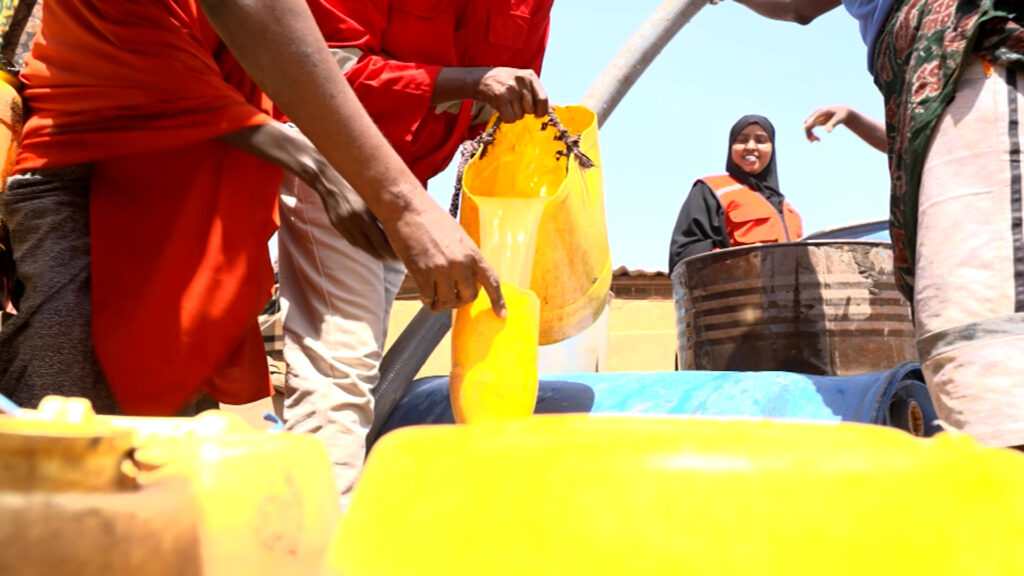
Northern Kenya is currently grappling with a severe humanitarian crisis as hundreds of thousands of people face the devastating effects of a catastrophic drought. This crisis comes after three consecutive seasons of below-average rainfall, leaving communities in urgent need of assistance.
The region, heavily dependent on rain-fed agriculture and livestock, is experiencing significant food and water shortages. The prolonged absence of rain has dried up rivers, ponds, and waterholes that many communities rely on for both drinking water and irrigation. As a result, there is a sharp decline in crop yields and livestock health, which are critical for the local economy and daily sustenance.
This drought has a ripple effect on not just food security but also on health and education. Malnutrition rates are climbing as families struggle to feed their children, and many are forced to travel long distances to access clean water. The scarcity of resources has also contributed to increased conflicts over remaining water sources and grazing land.
Local governments and international humanitarian organizations have sounded the alarm, calling for rapid response efforts to prevent further loss of life and to support affected populations. Emergency food aid, water trucking, and medical services are being scaled up, but access remains a challenge due to the remote and vast nature of the affected areas.
Experts warn that climate change is intensifying the frequency and severity of such droughts in the Horn of Africa, making situations like the one in northern Kenya more common in the future. They emphasize the need for long-term strategies that focus on climate adaptation, sustainable water management, and community resilience.
Communities in northern Kenya are resilient, but the scale of this drought threatens to overwhelm their coping mechanisms. Immediate humanitarian aid, combined with investments in sustainable development, are critical to help restore livelihoods and prevent a deeper crisis.
This ongoing drought highlights the urgent need for coordinated regional and international action to address the impacts of climate change and to build stronger safety nets for vulnerable populations.
As the situation develops, continued monitoring and support will be essential to mitigate the human cost of this prolonged drought in northern Kenya and to build a more drought-resilient future for the region.