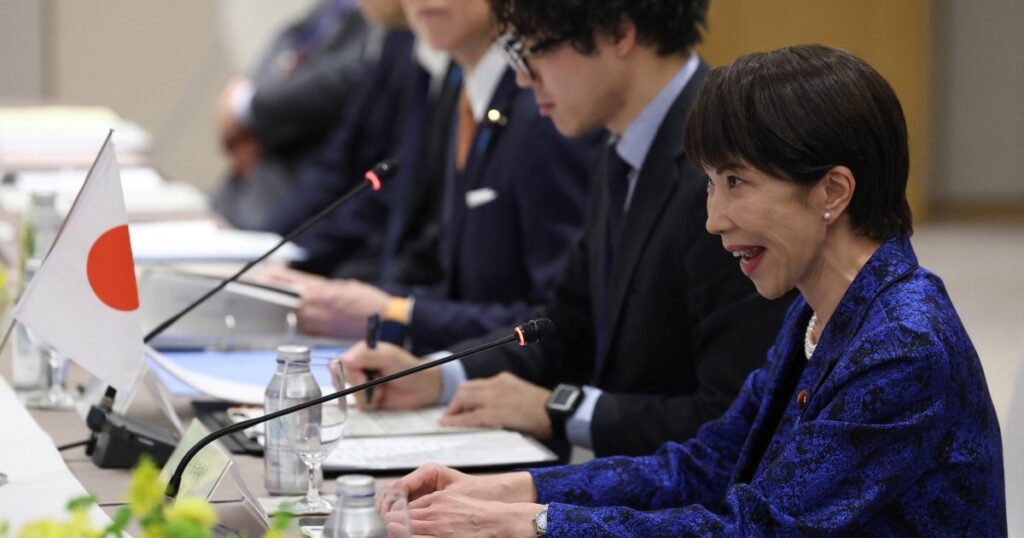
Japan’s political landscape is witnessing a significant shift as the country’s first female prime minister, Takaichi, contemplates dissolving parliament to call for snap elections. This strategic move is aimed at securing a larger majority in the legislative body, which she believes is essential for effectively implementing her political and fiscal agenda.
Since assuming office, Prime Minister Takaichi has expressed her determination to drive forward reforms and policies that address Japan’s evolving challenges. However, with the current parliamentary composition, advancing her agenda has proven complex due to the fragmented support among lawmakers.
The potential dissolution of parliament would pave the way for elections ahead of the scheduled timeline, providing voters with the opportunity to reassess their representatives and align the government more closely with Takaichi’s vision. Experts suggest that a decisive electoral win could strengthen the prime minister’s mandate, enabling more assertive governance and policy enactment.
Takaichi’s vision encompasses a blend of economic revitalization, structural reforms, and fiscal discipline aimed at ensuring sustainable growth. Her administration is focusing on innovative strategies to uplift Japan’s economy, which faces pressures from demographic shifts, technological advancements, and global market uncertainties.
Political analysts note that while snap elections carry risks—such as voter fatigue or opposition mobilization—they also offer an avenue for the administration to capitalize on current public support and momentum.
The prime minister’s decision will likely provoke varied responses across the political spectrum. Supporters argue that a stronger majority is necessary to overcome legislative gridlocks and enact meaningful change, whereas critics caution against potential instability and the unpredictability of early elections.
Historically, Japan has seen several instances where early elections were called to consolidate power or respond to political crises. This move by Takaichi aligns with such precedents, underscoring her proactive approach to governance and commitment to her policy goals.
Moreover, Takaichi’s groundbreaking role as the nation’s first female prime minister adds a symbolic dimension to this political maneuver, possibly invigorating public interest and participation in the electoral process.
As the country awaits formal confirmation of the parliament dissolution, the political atmosphere is charged with anticipation. Voters, political parties, and international observers are all keenly monitoring developments, recognizing the potential implications for Japan’s domestic policy and its position on the global stage.
In summary, Prime Minister Takaichi’s contemplation of snap polls represents a pivotal moment for Japan. It is an attempt to secure a robust legislative backing to fulfill her reformist agenda, reflecting both the challenges and dynamism of contemporary Japanese politics.