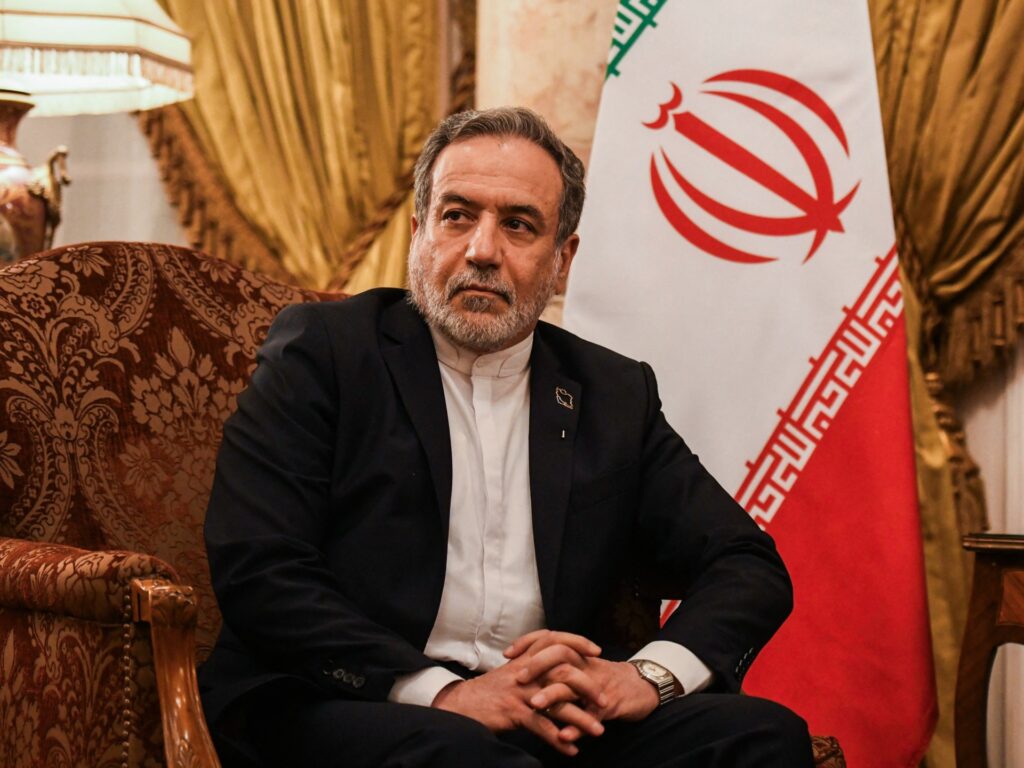
Iran’s Foreign Minister Abbas Araghchi has issued a stark warning that Iran is prepared for war amid escalating tensions with the United States. This announcement comes as President Donald Trump weighs military options against Iran, prompting fears of imminent conflict between the two nations.
In a recent statement, Araghchi emphasized Iran’s readiness to defend itself against any act of aggression, underscoring that the country will not hesitate to respond to military threats. He called on the United States to reconsider its aggressive stance and choose the path of dialogue rather than confrontation.
The foreign minister expressed hope that Washington would opt for the “wise option” of engagement and diplomacy, instead of escalating the volatile situation through military intervention. His remarks highlight the precarious state of relations between Tehran and Washington, which have deteriorated significantly following the U.S. withdrawal from the Iran nuclear deal and the reimposition of sanctions.
Trump’s administration has signaled a harder line toward Iran, citing concerns over nuclear development and regional influence. Recently, the president hinted at the possibility of ordering a military strike against Iranian targets, a move that has alarmed international observers and risked igniting a broader conflict in the Middle East.
Iran’s government, in response, has maintained that its nuclear program is peaceful and that its regional activities are defensive in nature. Iranian officials have warned that any attack would provoke a strong and decisive retaliation.
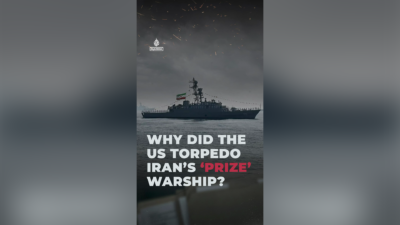
The situation has led to heightened tensions in the Strait of Hormuz, a strategic chokepoint for global oil supplies, where both American and Iranian naval forces have increased their presence. This has raised fears in global markets and among governments about the potential for miscalculation turning into open hostilities.
International leaders and diplomats have called for restraint on both sides, urging Tehran and Washington to de-escalate and return to the negotiating table. The United Nations and European Union have reiterated their support for diplomatic efforts to resolve the crisis peacefully.
Analysts suggest that while the rhetoric from Washington and Tehran is increasingly aggressive, there remains a mutual interest in avoiding war due to the catastrophic consequences it would entail. Economic sanctions, political isolation, and military conflict could destabilize the region further and disrupt global energy markets.
The coming days and weeks are critical as both nations navigate this delicate and dangerous standoff. The world watches closely, hoping that cooler heads prevail and that dialogue supersedes conflict in resolving one of the most pressing international issues of the day.