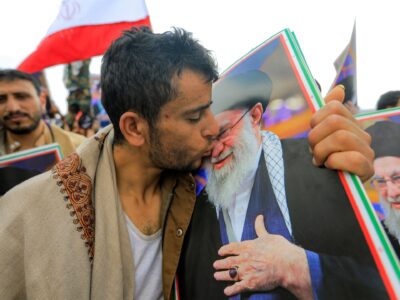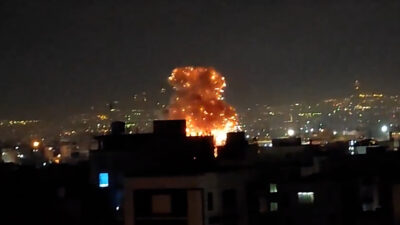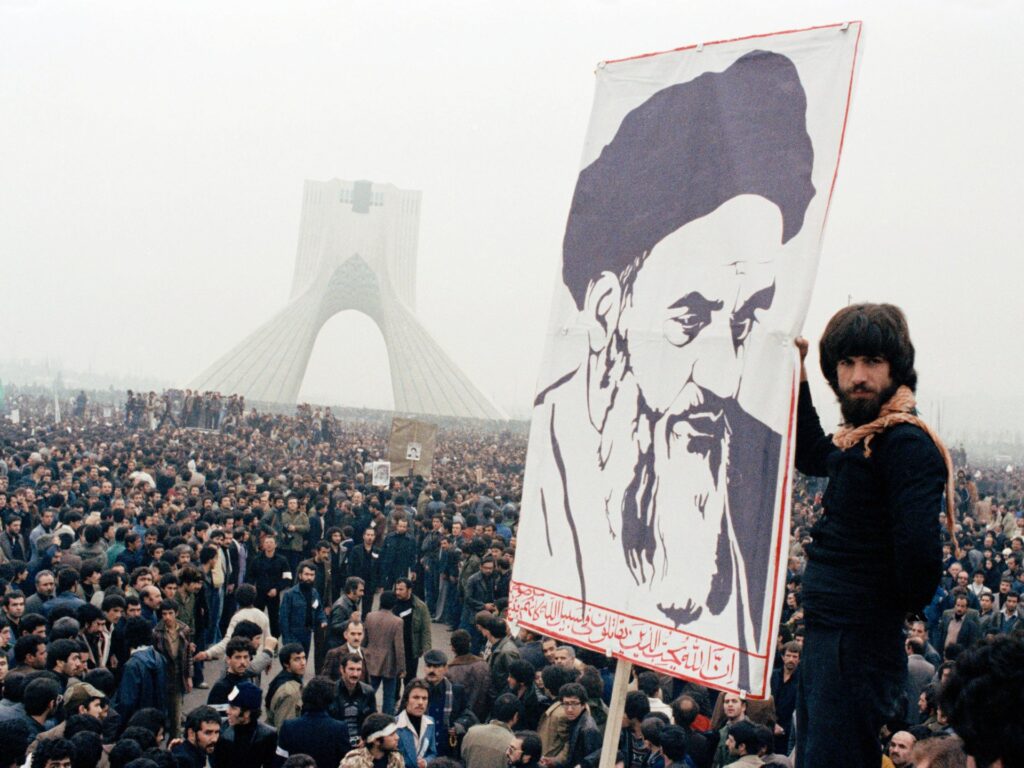
Since the pivotal year of 1979, Iran has undergone a series of crises that have profoundly influenced its national identity and international standing. The year 1979 marked a revolutionary shift when the Iranian Revolution overthrew the monarchy under Shah Mohammad Reza Pahlavi and established the Islamic Republic under Ayatollah Khomeini. This transition set the stage for decades of political, social, and geopolitical upheaval.
One of the earliest and most defining crises was the Iran Hostage Crisis that began in November 1979. Iranian militants seized the U.S. Embassy in Tehran, holding 52 American diplomats and citizens hostage for 444 days. The event not only strained U.S.-Iran relations but also altered the global perception of the new regime and solidified anti-Western sentiment within the country.
Shortly after, Iran was plunged into a brutal conflict with Iraq. The Iran-Iraq War commenced in 1980 and lasted until 1988, making it one of the longest and deadliest wars of the late 20th century. The war resulted in enormous casualties and economic devastation, yet it fostered a sense of resilience and nationalism among Iranians. The conflict ended without a clear victor but left deep scars on the region’s geopolitical landscape.
In the years following the war, Iran continued to navigate complex regional dynamics while facing domestic challenges. The 1990s and early 2000s were marked by efforts to rebuild the economy, manage political dissent, and assert influence in the Middle East. Concurrently, Iran’s nuclear program began to draw increased international scrutiny, leading to a protracted nuclear dispute.
The nuclear issue has been central to Iran’s modern struggles. Western powers, particularly the United States, accused Iran of seeking nuclear weapons capability under the guise of a civilian program. This led to stringent economic sanctions aimed at curbing Iran’s nuclear ambitions, deeply impacting its economy and society.
Diplomatic efforts peaked with the 2015 Joint Comprehensive Plan of Action (JCPOA), an agreement between Iran and world powers to limit Iran’s nuclear program in exchange for sanction relief. However, the U.S. withdrawal from the deal in 2018 under the Trump administration reignited tensions and sanctions, exacerbating Iran’s isolation and economic difficulties.
Besides international challenges, Iran has faced internal crises, including political unrest and contested elections. Popular protests have erupted periodically, driven by issues such as economic hardship, government corruption, and demands for greater freedoms. These movements illustrate the ongoing struggle between conservative and reformist forces within the country.
Throughout these trials, Iran’s identity has been continually reshaped by its historical experiences—from revolution and war to diplomatic isolation and domestic dissent. Its strategic position in the Middle East, combined with a rich cultural heritage, ensures that Iran remains a pivotal player in regional and global affairs.
The timeline of Iran since 1979 is a testament to resilience amidst adversity and a complex narrative of revolution, conflict, and controversy. Understanding these crises provides crucial insight into the forces that have molded modern Iran and the challenges it faces moving forward.