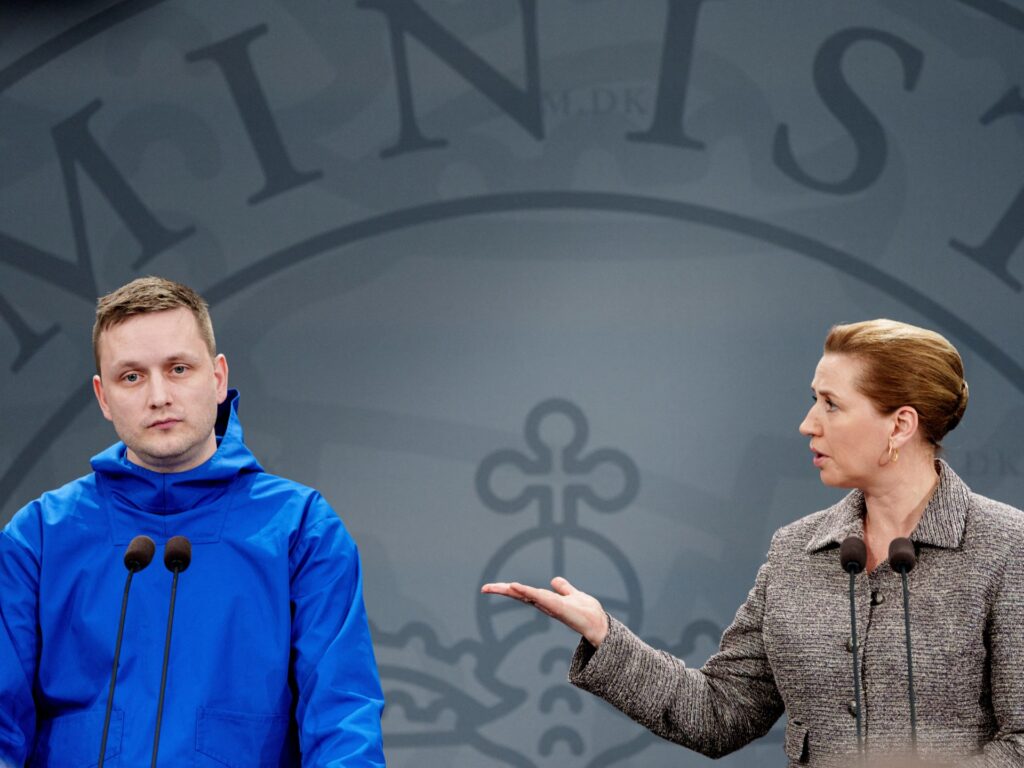
In a recent and significant statement, Greenland’s Prime Minister, Múte Bourup Egede Nielsen, declared a clear preference for Denmark over the United States when it comes to the island’s political alliances. The statement was succinctly put: “If we have to choose between the United States and Denmark here and now, we choose Denmark.” This pronouncement highlights the geopolitical and cultural considerations that Greenland faces as it navigates its relationship with global powers.
Greenland, an autonomous territory within the Kingdom of Denmark, has been the subject of increased interest from the United States for strategic reasons. Its location in the Arctic region and access to natural resources have made it a focal point for nations aiming to strengthen their global presence. However, despite this US interest and potential economic incentives, Greenland’s leadership remains committed to its longstanding ties with Denmark.
Prime Minister Nielsen’s stance reflects a complex interplay of loyalty, historical bonds, and concerns over cultural identity. Denmark has been Greenland’s colonial overseer and partner for centuries, providing a framework of governance and support that Greenland has gradually adapted to its unique needs through increasing autonomy.
This declaration also comes amid debates about Greenland’s future direction, including discussions about increasing autonomy or even independence. Some factions advocate closer alignment with the United States as an alternative to Danish governance. However, Nielsen’s clear preference underscores the current government’s commitment to maintaining strong ties with Denmark.
The Prime Minister’s comments can be seen as a signal to both domestic and international audiences. Domestically, it assures the citizens of Greenland of the government’s priorities, emphasizing the value placed on historical and political connections with Denmark. Internationally, it sends a message to the US and other interested parties that Greenland values its current partnerships and is cautious about shifting alliances.
Furthermore, the choice highlights the nuanced considerations regarding defense, economic development, and environmental stewardship. Denmark provides stable governance and is a part of the European Union framework through its association, which offers Greenland economic benefits and international representation.
On the other hand, the United States has shown interest in increasing its presence in Greenland for military and strategic advantages, including the potential development of bases and deeper involvement in Arctic affairs. Nevertheless, Greenland’s government appears wary of becoming overly dependent on or influenced by the US, possibly fearing that such a shift could disrupt the island’s socio-political balance.
The Prime Minister’s declaration is a reminder that smaller nations or territories like Greenland often must carefully consider their international relationships, balancing strategic interests with cultural and historical identity. Choosing Denmark may also reflect practical considerations such as existing infrastructure, legal frameworks, and economic ties that have been developed over decades.
In conclusion, Greenland’s Prime Minister Múte Bourup Egede Nielsen’s statement, “If we have to choose between the United States and Denmark here and now, we choose Denmark,” is a pivotal assertion of Greenland’s current geopolitical stance. It acknowledges the island’s history and existing dependencies while signaling a cautious but clear approach to international relations. As global interest in the Arctic continues to grow, Greenland’s choices will remain closely watched by nations around the world.