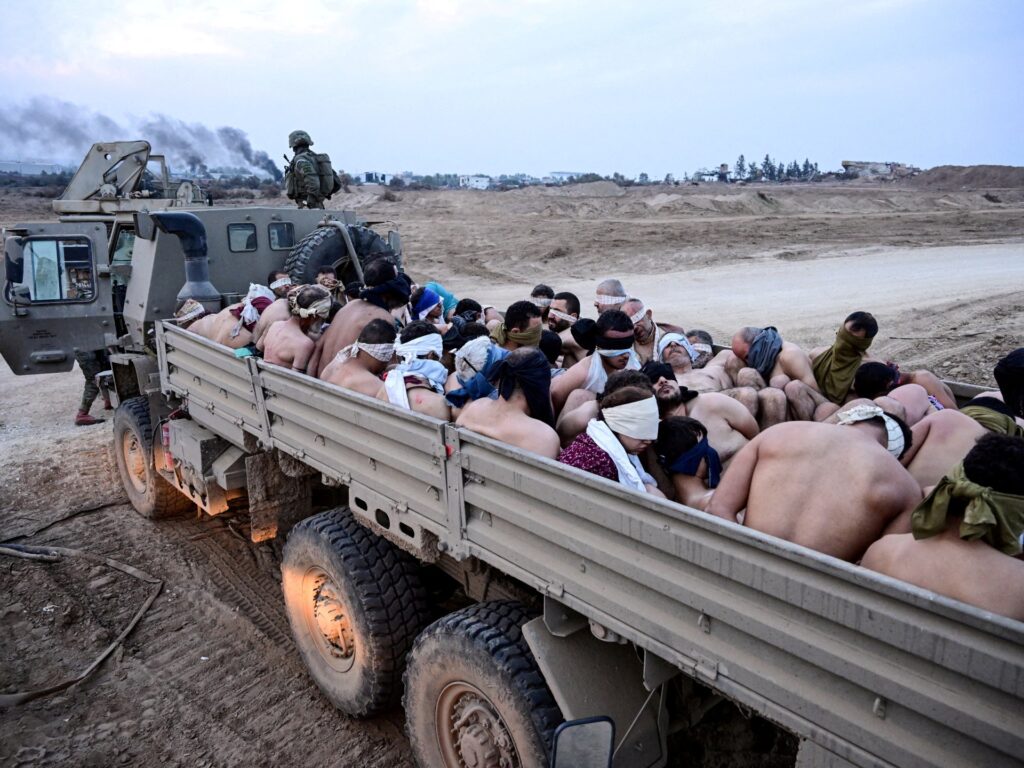
Since October 2023, the ongoing conflict in Gaza has plunged numerous Palestinian families into a harrowing limbo, desperately seeking news about their detained loved ones. Amidst the turmoil, Israel currently holds approximately 9,300 Palestinian prisoners, yet has imposed a strict ban on visits from the International Committee of the Red Cross (ICRC), compounding the agony of families who remain in the dark about their relatives’ fates.
This information vacuum has inflicted what many describe as “psychological torture” on families stranded in uncertainty. Unable to ascertain whether their loved ones are alive or dead, these families face relentless emotional strain and anxiety, exacerbated by the lack of communication and official updates. Many have reported sleepless nights, persistent fear, and the crushing burden of hope mixed with despair.
The ban on ICRC visits, a neutral humanitarian organization known for monitoring conditions of prisoners and facilitating communication with families, further intensifies the crisis. Without access to these visits, families are deprived of crucial information and the reassurance that their detained relatives are being treated humanely under international law.
Human rights organizations have condemned the information blackout as a violation of the rights of detainees and their families. They stress the importance of transparency, access, and the ability for families to maintain contact as fundamental during armed conflict to preserve human dignity and prevent additional psychological harm.
For families in Gaza, the struggle extends beyond physical hardship to an ongoing emotional ordeal marked by uncertainty. While international advocacy continues to push for renewed access and dialogue, the situation remains precarious, leaving thousands trapped in limbo over the fate of their loved ones amidst a conflict that shows no immediate resolution.