The International Court of Justice (ICJ), the United Nations’ highest judicial body, has officially opened a landmark genocide case concerning the Rohingya crisis in Myanmar. This development marks the ICJ’s first full genocide trial in over ten years, drawing global attention to the plight of the Rohingya people and their ongoing struggle for justice and recognition.
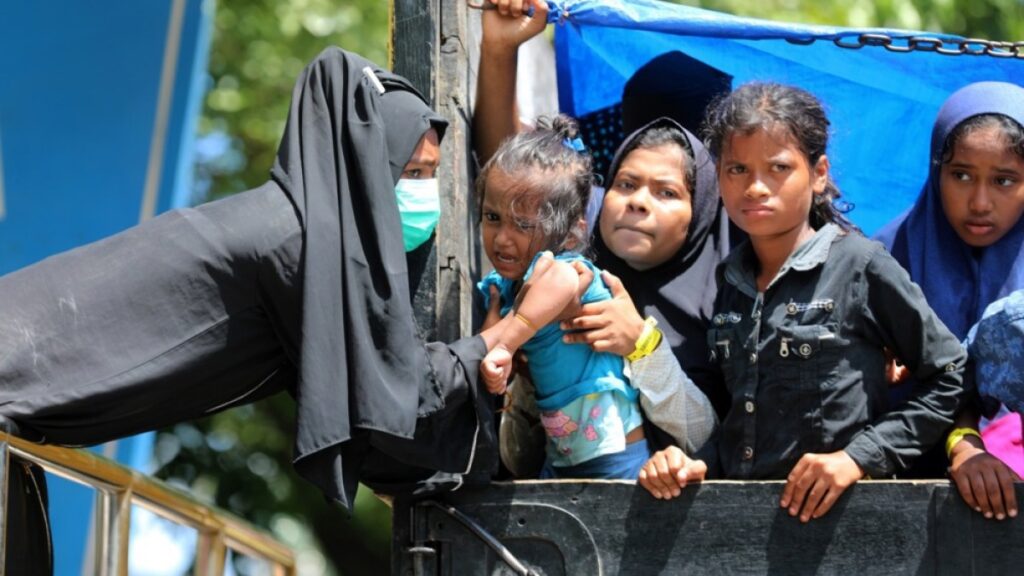
The Rohingya, a Muslim minority group in Myanmar’s Rakhine State, have faced decades of systemic discrimination, statelessness, and violence. In 2017, a brutal military crackdown led to a mass exodus of Rohingya refugees, with hundreds of thousands fleeing to neighboring Bangladesh amidst reports of killings, rapes, and arson. Human rights organizations and international observers have widely documented these atrocities, calling them acts of genocide.
The ICJ case was initiated following a lawsuit filed by The Gambia in 2019, representing the Organization of Islamic Cooperation (OIC). The lawsuit accuses Myanmar of violating the Genocide Convention by committing genocidal acts against the Rohingya population. Myanmar has strongly denied these allegations, maintaining that its military operations were aimed at combating insurgency and restoring security.
The proceedings at The Hague bring cautious optimism to the Rohingya refugees residing in camps across Bangladesh. These refugees, many of whom escaped the violence with little more than the clothes on their backs, see the trial as a critical step towards accountability and potential reparations. For many, it symbolizes international acknowledgment of their suffering, something that has been elusive until now.
Legal experts highlight that the ICJ’s ruling will not only influence Myanmar’s international relations but also set a crucial precedent for how state-led genocide cases are addressed on a global scale. While the court cannot impose criminal penalties—that responsibility lies with the International Criminal Court—the ICJ can order Myanmar to take measures to prevent ongoing genocide and reparations for victims.
The case is expected to be prolonged and complex, with extensive hearings involving testimonies from survivors, expert witnesses, and international law specialists. Meanwhile, the global community watches closely, hoping the ICJ’s involvement will spur more comprehensive actions to protect vulnerable populations and uphold international human rights standards.
This historic case underscores the importance of international legal mechanisms in addressing crimes against humanity and the continuing need for vigilance and advocacy to combat ethnic cleansing and genocide worldwide. As the ICJ begins this pivotal trial, the world is reminded of its collective responsibility to seek justice and ensure that such atrocities are never repeated.