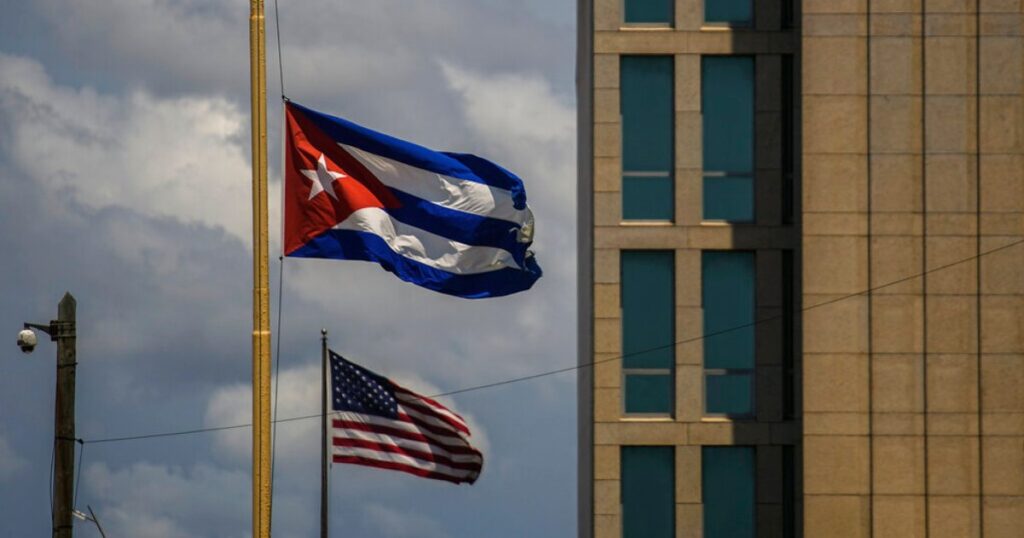
Former U.S. President Donald Trump has taken a staunch stance against the flow of Venezuelan oil and money to Cuba, asserting that no more resources should be sent to the island nation. This declaration came amid escalating tensions following the recent abduction of Venezuelan President Nicolás Maduro.
Venezuela has long been Cuba’s primary oil supplier, providing crucial energy resources that sustain the Cuban economy. The relationship between the two countries has been tightly interwoven, with Venezuela sending significant quantities of oil to Cuba as part of their strategic and economic alliance.
However, since the mysterious abduction of Maduro, no oil shipments have departed Venezuelan ports, marking a dramatic halt in the flow of resources. This disruption has raised concerns about the stability of the arrangement and the potential impact on both countries’ economies.
Trump’s demand reflects broader geopolitical concerns regarding the influence of the Cuban government and the role of Venezuelan oil exports in sustaining Cuba. Critics argue that Venezuelan resources help prop up the Cuban regime, enabling it to maintain its grip on power despite internal and external pressures.
The former president has called for a deal that would end the transfer of Venezuelan oil and money to Cuba, signaling a tougher approach toward both nations. His stance aligns with previous U.S. policies aimed at isolating the Cuban government and cutting off its sources of support.
The Venezuelan government’s response to these demands remains uncertain, but the halt in oil shipments indicates significant disruptions within their operations amid the crisis surrounding Maduro’s status.
Political analysts suggest that the cessation of oil shipments could have far-reaching consequences, potentially exacerbating energy shortages in Cuba and deepening the island’s economic challenges.
The diplomatic implications are equally significant. The U.S.’s pressure on Venezuela and Cuba could further strain relationships in the hemisphere, complicating efforts to resolve ongoing political crises.
Moreover, the situation highlights the vulnerability of Cuba’s economy, heavily reliant on Venezuelan oil. Any prolonged suspension in shipments could force Cuba to seek alternative suppliers, a shift that might be difficult given international sanctions and economic constraints.
In conclusion, Trump’s demand to end Venezuelan oil and financial support to Cuba amid Maduro’s abduction marks a critical juncture in the complex dynamics of Latin American geopolitics. The unfolding developments will likely have lasting impacts on both Venezuela’s and Cuba’s political and economic landscapes, as well as on broader U.S. foreign policy strategies in the region.