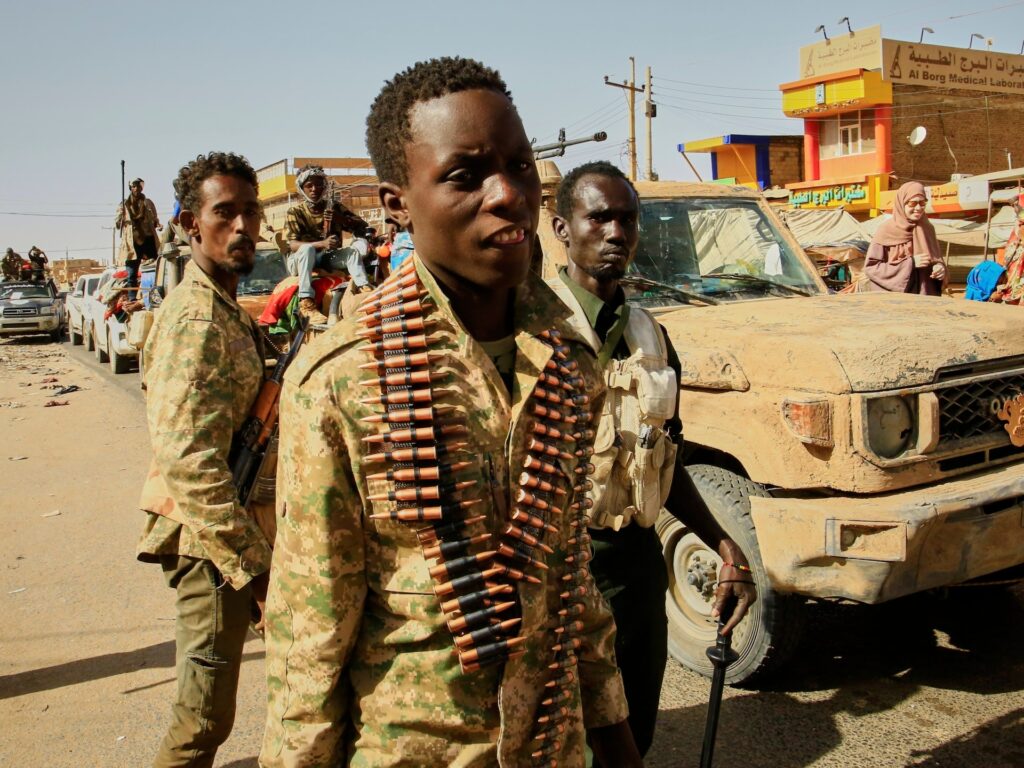
The Sudanese army has initiated a renewed and intensified military campaign aimed at recapturing the strategic regions of Kordofan and Darfur. This campaign marks a significant escalation in the conflict against the paramilitary Rapid Support Forces (RSF), signaling one of the largest military endeavors the army has undertaken since its successful recapture of Khartoum State last year.
Kordofan and Darfur are critically important regions in Sudan, both politically and militarily. The deeply rooted conflict in these areas has involved numerous factions over decades, with the RSF playing a prominent role in recent years. The paramilitary group, which has expanded its influence significantly, has contributed to ongoing instability and violence throughout Sudan.
The renewed military effort by the Sudanese army reflects an urgent attempt to regain control and restore government authority over these restive regions. The initiative is reportedly more extensive and ambitious than previous operations, suggesting the army’s commitment to decisively weakening the RSF’s hold.
This mission gains added significance following the army’s notable success in reclaiming Khartoum State, where it managed to overcome the RSF’s entrenched positions. That operation has served as a morale booster for government forces and a clear indication of the army’s growing strength and resolve.
Military analysts note that retaking Kordofan and Darfur will not only provide strategic territorial gains but could also help stabilize Sudan’s broader security landscape. These regions have been plagued by ethnic conflicts, resource disputes, and insurgent activities, all exacerbated by the RSF’s presence.
The campaign, however, is expected to be challenging. The RSF utilizes guerrilla tactics and has deep local knowledge, which could prolong the conflict and increase casualties. Additionally, both regions are geographically vast and difficult to control, complicating logistics and military maneuvering.
International observers have expressed concern over the escalating violence in Sudan, calling for restraint and urging all parties to seek peaceful resolutions where possible. Humanitarian organizations warn that intensified conflict could worsen the already dire conditions for civilians, leading to displacement and scarcity of essential resources.
The Sudanese government has justified the campaign as necessary for national security and the restoration of law and order. Officials assert that defeating the RSF is essential to prevent further fragmentation of the country and to consolidate democratic governance structures.
Local communities in Kordofan and Darfur have shown mixed reactions, with some supporting the government’s efforts for peace and stability, while others fear the potential for increased violence that has marred past conflicts.
As the military campaign unfolds, the international community remains alert to developments and prepared to provide diplomatic support or humanitarian aid as needed. The situation in Sudan continues to highlight the complexities of post-conflict recovery and the challenges of building lasting peace in regions marked by longstanding strife.
The coming weeks will be critical in determining the outcome of this military initiative and its impact on Sudan’s future. Success could pave the way for renewed stability and development, while prolonged conflict risks deeper humanitarian crises and further political fragmentation.
The Sudanese army’s renewed focus on Kordofan and Darfur underscores its strategic priorities in restoring state control and countering paramilitary threats. This operation will be closely monitored by regional powers and international actors invested in Sudan’s stability and peace.
Overall, the recapture campaign against the RSF in these pivotal regions symbolizes a key turning point in Sudan’s ongoing struggle for unity and sovereignty. The outcome of this effort could shape the nation’s trajectory for years to come.