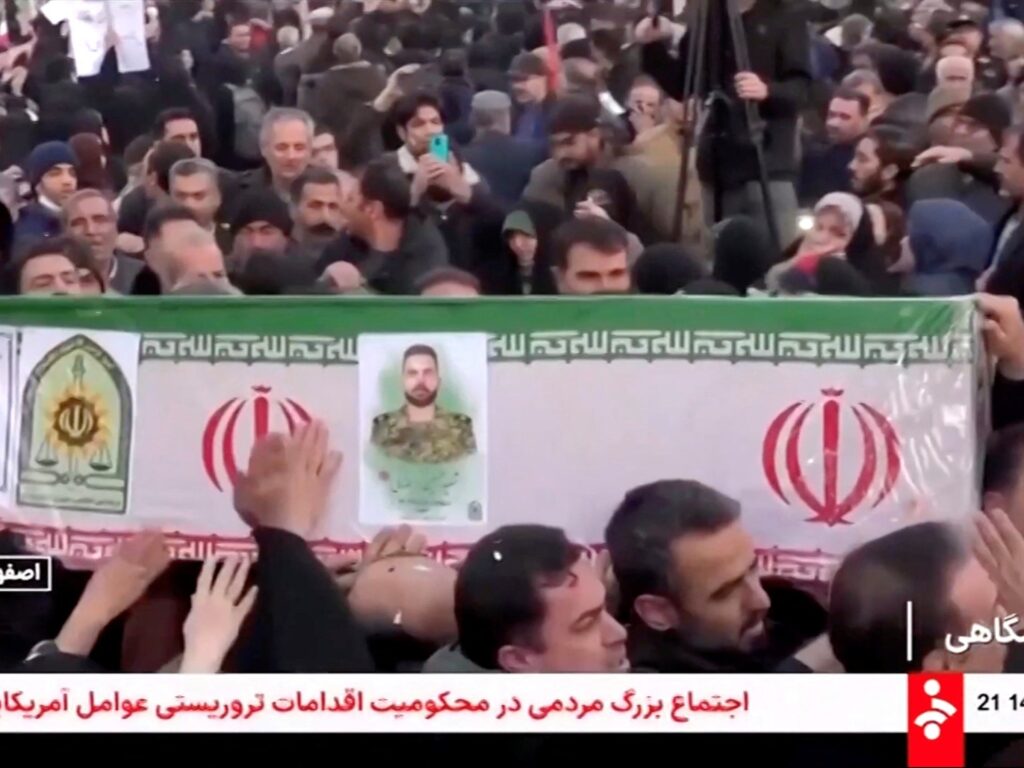
Iran has been gripped by widespread protests, sparking a major wave of civil unrest across the country. The demonstrations initially began as a reaction to specific grievances but have since evolved into a broad movement challenging various social, political, and economic issues. The Iranian government’s response to the protests has been severe, involving a crackdown that has resulted in multiple deaths, arrests, and injuries to protesters.
The situation has escalated to the point where authorities have implemented an extensive internet blackout across large regions of the country. This blackout aims to limit communication among protestors and restrict the flow of information to the outside world. International observers and human rights groups have expressed deep concern over the crackdown and the use of internet blackouts, condemning these actions as violations of fundamental rights.
The protests have been marked by diverse participation, including students, laborers, ethnic minorities, and women actively demanding reforms. Among the central issues driving the protests are economic hardship, unemployment, inflation, political repression, and human rights abuses. The unrest reflects deep dissatisfaction with the ruling establishment and demands for significant change.
Security forces have used a mix of tactics to suppress protests, including deploying riot police, using tear gas, and detaining demonstrators en masse. Reports of casualties have emerged from multiple cities, including Tehran, indicating that the situation remains volatile and dangerous for those involved.
The government’s crackdown and internet restrictions have not only affected the immediate ability of protesters to organize but have also hindered journalists and international media in reporting from the ground. This limitation has contributed to a somewhat incomplete understanding of the full scale and nature of the protests.
International reactions to the unrest in Iran have included calls for restraint from governments worldwide, with some nations urging the Iranian authorities to respect the rights of their citizens to peaceful assembly and free expression. Human rights organizations continue to monitor the situation, calling for investigations into the reported abuses and urging support for those affected by the crisis.
The current wave of protests in Iran represents a critical moment for the country’s social and political future. The people’s demands for justice and reform highlight the pressing need for dialogue and change to address longstanding grievances. As the events unfold, the international community watches closely, hoping for a resolution that respects human rights and leads to stability and better prospects for the Iranian people.