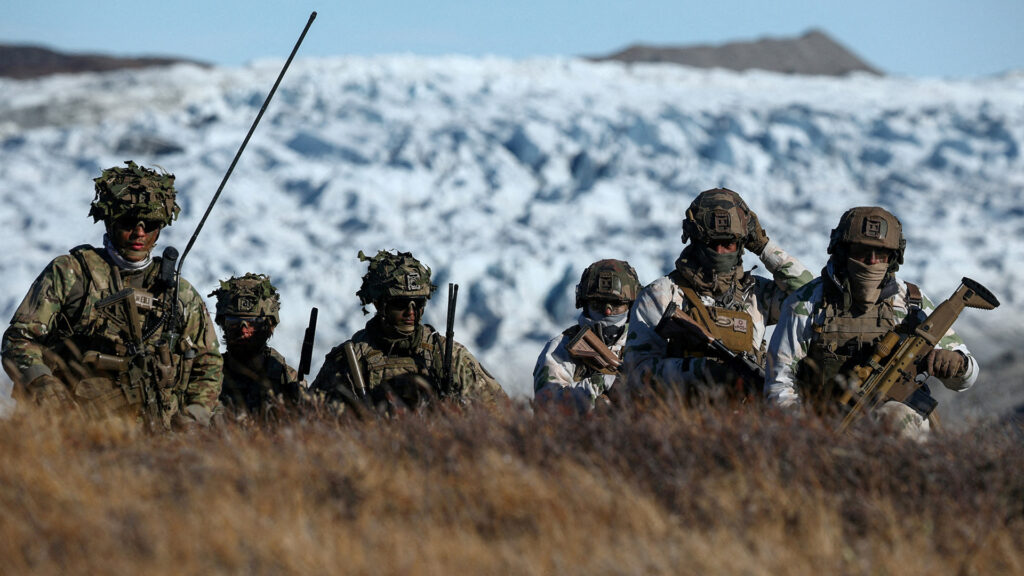
US President Donald Trump has made waves with his ambitious desire to bring Greenland under US control, a move that has caught global attention. The reasons driving this ambition are multifaceted and reflect strategic, economic, and geopolitical considerations.
First and foremost, Greenland’s geographic location is incredibly strategic. Situated in the Arctic region, it offers the United States a critical foothold in an area increasingly important due to climate change and melting ice. This geographic position is not only vital for military defense but also for monitoring Arctic activities and securing US interests in the region.
Secondly, Greenland is rich in natural resources. The island is known to harbor vast reserves of minerals, rare earth elements, and potentially oil and gas. Access to these resources aligns with the US’s broader goal of securing critical materials necessary for technology and energy independence, reducing reliance on foreign suppliers.
Moreover, Greenland’s vast and largely untapped territory presents unique opportunities for scientific research and environmental monitoring. The melting ice caps in Greenland are an important indicator of climate change globally, and having control or increased influence over Greenland could enhance US capabilities in Arctic environmental research.
Trump’s interest also reflects a broader geopolitical strategy. With increasing Chinese and Russian interests in the Arctic, control over Greenland could serve as a counterbalance to these powers, ensuring that the US maintains its influence in this increasingly contested region.
Additionally, the potential for new shipping routes as ice melts could open up faster maritime paths between the Atlantic and Pacific Oceans, boosting trade and military mobility. Securing Greenland might give the US control over these emerging routes and the ability to influence Arctic maritime traffic.
The economic angle is also considered, as developing Greenland’s infrastructure and resource extraction industries could foster economic partnerships and new markets under US guidance.
Lastly, Trump’s proposal to purchase Greenland evokes a historical precedent of the US acquiring territories to expand its reach, highlighting a vision that combines historical ambition with contemporary strategic calculations.
In sum, President Trump’s push for Greenland is driven by a mix of strategic military positioning, resource acquisition, geopolitical competition, environmental research interests, and economic opportunities. This ambition encapsulates a significant moment in US foreign policy, reflecting the growing importance of the Arctic in global affairs.