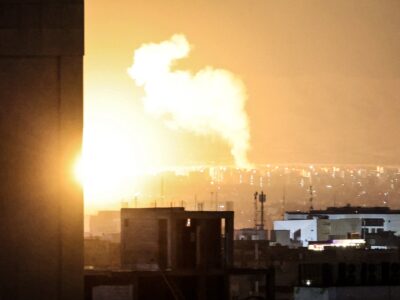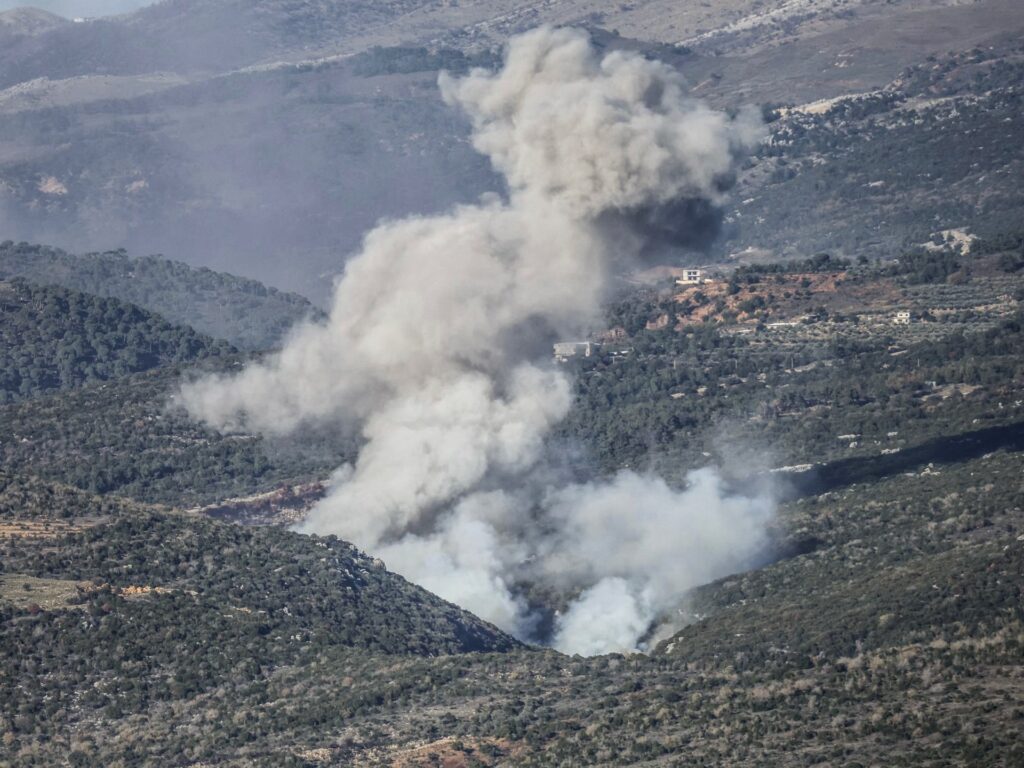
In recent developments, Israeli forces have reportedly killed one person during a series of military attacks in southern Lebanon. The attacks are claimed by Israel to be aimed at targeting alleged Hezbollah infrastructure within the region.
The incident has heightened tensions in the already volatile border area between Israel and Lebanon. Israeli military officials stated that the operations were precise and intended to dismantle Hezbollah’s military capabilities, which Israel views as a direct threat to its security.
Hezbollah, the Lebanese Shiite militant group and political party, has been involved in multiple conflicts with Israel over the years. The group maintains a significant presence in southern Lebanon and is known for its arsenal of rockets and military installations.
Details about the identity of the individual killed or the extent of the damage caused during the Israeli strikes have not been fully disclosed. Local sources in southern Lebanon reported hearing several explosions, indicating the scale of the operations.
The attacks represent a continuation of the ongoing conflict between Israel and Hezbollah, which has seen intermittent flare-ups since the 2006 Lebanon War. The border area remains one of the most sensitive and heavily militarized regions in the Middle East.
International observers have expressed concern over the potential for escalation following these events. There are fears that further retaliatory actions could lead to a broader conflict affecting not only Israel and Lebanon but also wider regional stability.
The United Nations Interim Force in Lebanon (UNIFIL), tasked with monitoring the ceasefire between Israel and Lebanon, has called for restraint and urged both sides to avoid actions that could exacerbate tensions.
Diplomatic efforts continue behind the scenes to reduce hostilities, but the situation remains fragile. Both sides accuse each other of provocations that threaten the delicate peace established in the region.
The ongoing cycle of violence underscores the deep-rooted hostilities and complex geopolitical dynamics involving Israel, Lebanon, and Hezbollah. This latest incident is likely to further complicate efforts to achieve lasting peace and security along the Israel-Lebanon border.
As the situation develops, the international community is watching closely, hoping for de-escalation and dialogue rather than renewed conflict. The consequences of continued fighting could be severe, impacting civilian populations and hindering prospects for regional stability.
In summary, the Israeli military’s recent strikes on southern Lebanon, which resulted in one fatality, highlight the persistent tension and conflict in the area. The targeting of Hezbollah’s infrastructure by Israel reflects ongoing security concerns and the enduring challenge of managing peace in a region marked by historical animosities and strategic rivalries.