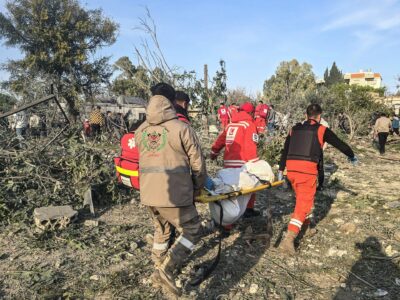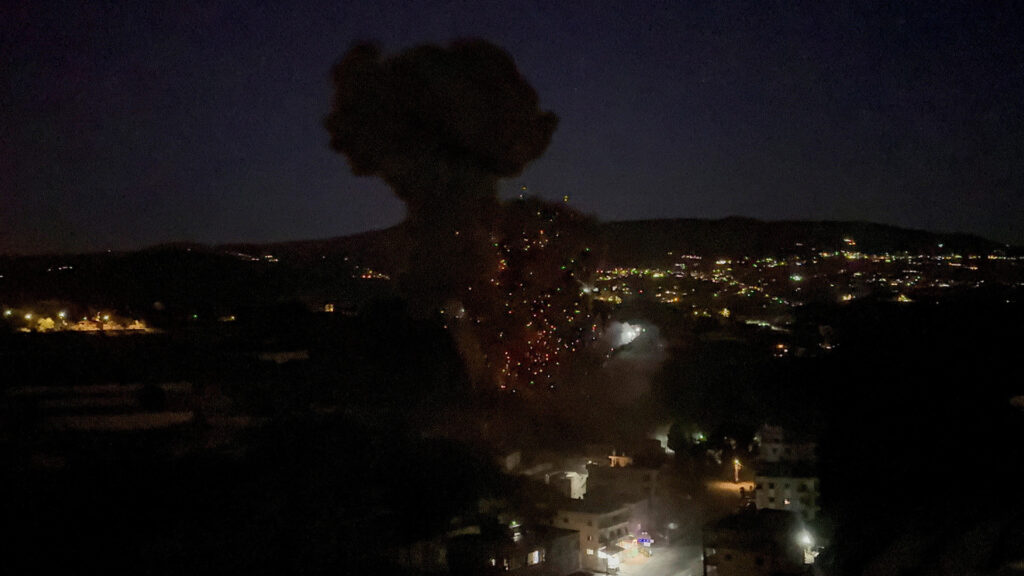
In a recent escalation of tensions in the Middle East, Israel has launched a series of air strikes targeting the southern Lebanese village of Kfar Hatta. Video footage released from the area shows consecutive strikes carried out by Israeli forces against this village, indicating a significant military operation.
The air strikes occurred amid increasing instability in the region, where Israel and Lebanon have a history of conflict and delicate ceasefire agreements. The specific targets and the extent of the damage caused by these air strikes have not yet been fully disclosed, but the footage highlights the intensity and frequency of the assaults.
Kfar Hatta, located in southern Lebanon, has been a focal point in ongoing conflicts due to its strategic location near the border with Israel. The village has previously experienced security challenges related to cross-border activities and militant presence.
This development adds another layer of complexity to the volatile situation between Israel and Lebanon. The international community has expressed concern over the potential for further escalation, urging restraint and dialogue to prevent a wider conflict.
The Israeli government has not yet issued an official statement regarding the reasons behind these specific air strikes or their intended objectives. Meanwhile, Lebanese authorities are assessing the situation on the ground, including any civilian casualties or infrastructure damage resulting from the attacks.
Historically, the border region between Israel and Lebanon has been marked by sporadic violence, with various militant groups operating in Lebanon often engaging in hostilities with Israel. Air strikes and retaliatory actions have been part of the ongoing conflict dynamics.
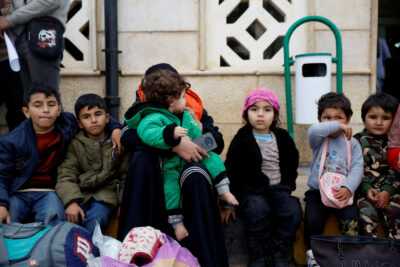
The recent strikes underscore the fragile peace and security conditions in the area and highlight the continued risks faced by communities living near the border. Humanitarian concerns are rising, as air strikes disrupt daily life, cause displacement, and increase the threat to civilian safety.
Observers note that such military operations may be in response to specific security threats perceived by Israel or as part of a broader strategic approach to countering militant activities. However, the lack of immediate information leaves room for speculation and concern about further developments.
As the situation unfolds, diplomatic efforts at regional and international levels are crucial to de-escalate tensions and avoid an all-out conflict. The effectiveness of these air strikes in achieving their intended goals remains to be seen, as does the response from Lebanon and its allied groups.
The international community continues to call for calm and adherence to international law to protect civilians and prevent a humanitarian crisis. Monitoring and reporting by independent sources will be essential in providing transparent updates on the impact and progression of this conflict.
In conclusion, the recent Israeli air strikes on Kfar Hatta represent a significant event in the ongoing security challenges between Israel and Lebanon. The coming days will likely be critical in determining whether this marks a temporary flare-up or the beginning of a more sustained military confrontation in the region.