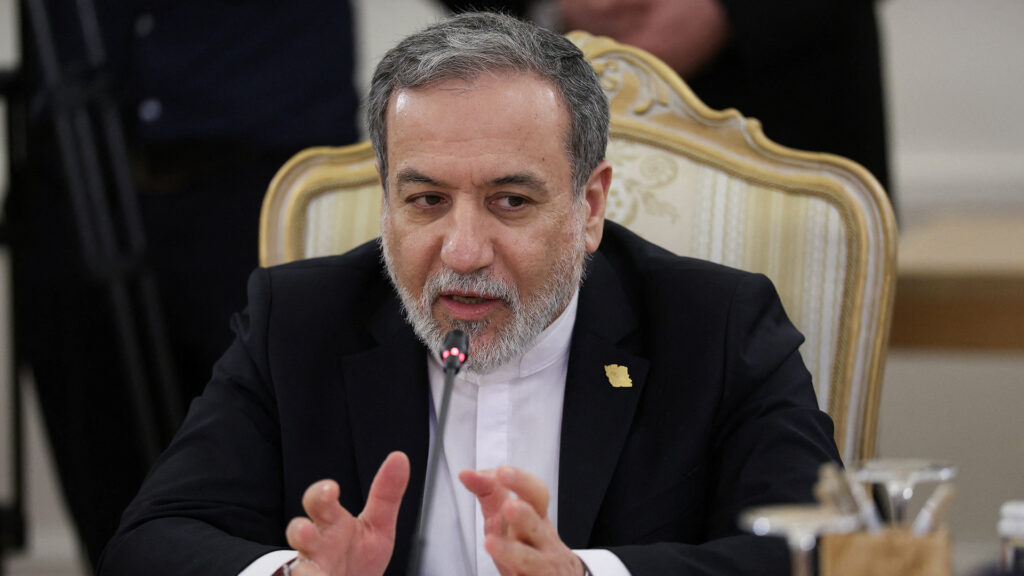
In a recent statement, Iran’s Foreign Minister Abbas Araghchi declared that Iran is prepared for both war and dialogue in response to escalating threats from the United States. This significant announcement underscores Iran’s dual approach to the mounting tensions between Tehran and Washington.
Araghchi emphasized that while Iran prefers peaceful negotiations and is open to dialogue, it will not hesitate to defend its sovereignty and national interests if provoked. This stance highlights the complex geopolitical situation in the Middle East, with Iran positioning itself firmly in both diplomatic and military terms.
The backdrop of this development is the ongoing conflict stemming from and related to the US withdrawal from the Joint Comprehensive Plan of Action (JCPOA), also known as the Iran nuclear deal, and the subsequent reimposition of sanctions on Tehran. These sanctions have severely affected Iran’s economy and international relations.
Iran’s readiness for dialogue signals a willingness to engage with the international community, possibly to ease economic sanctions and reduce regional hostilities. However, the explicit mention of readiness for war sends a strong deterrent message aimed at the US and its allies, indicating that Iran is prepared for any escalation.
Experts interpret Araghchi’s remarks as a strategic communication aimed at leveraging Iran’s position in international negotiations. The dual message serves to keep diplomatic channels open while showcasing military preparedness as a counterbalance to external pressure.
This statement may impact global markets and international diplomatic efforts, especially those involving key stakeholders such as the European Union, Russia, China, and Middle Eastern countries. Each of these players has vested interests in the stability of the region and has been involved in past negotiations concerning Iran’s nuclear ambitions and regional policies.
In the region, this declaration is likely to influence the dynamics between Iran and its neighbors, many of whom are allied with or influenced by the US. The declaration of readiness for both war and dialogue reflects a broader strategy to maintain Iran’s influence and deter hostile actions against it.
Critics of Iran might view this as a provocative stance that could escalate tensions, while supporters see it as a necessary assertion of national pride and sovereignty. The international community remains watchful as the situation develops.
In conclusion, Iran’s Foreign Minister Abbas Araghchi’s statement encapsulates a critical moment in Iran-US relations, portraying a country bolstered by resilience and strategic calculation. It serves as a reminder of the delicate balance between conflict and diplomacy in international affairs, especially in a region as volatile as the Middle East.