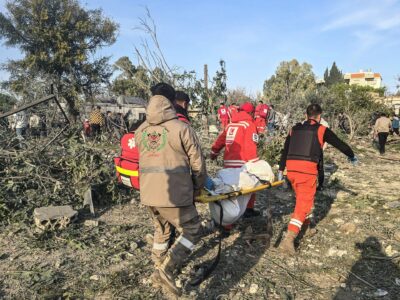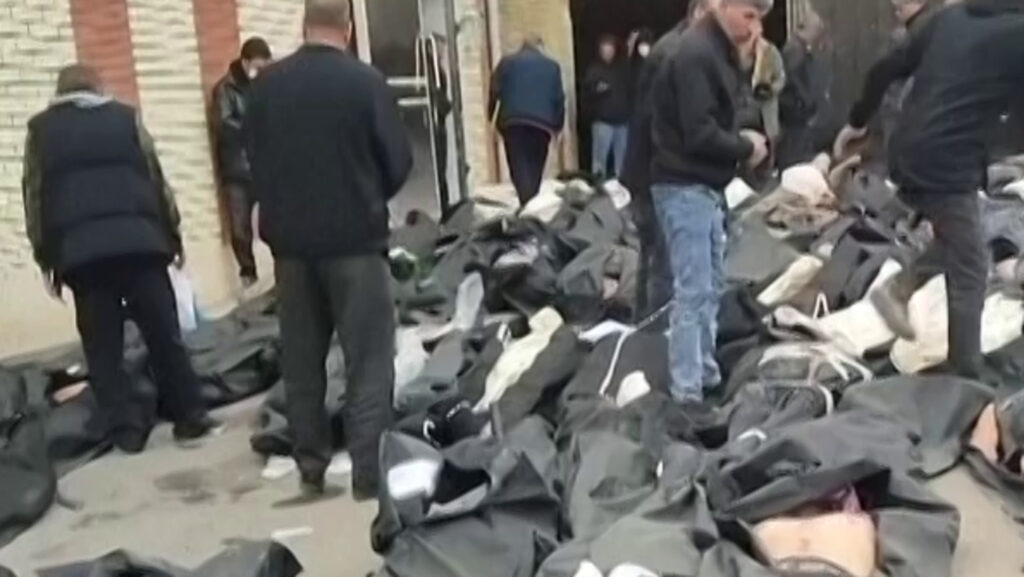
Iran has firmly rejected bomb threats made by former U.S. President Donald Trump amid ongoing violent protests across the country. The protests, sparked by various political and social grievances, have escalated in recent weeks, leading to a severe security crackdown by Iranian authorities. This crackdown has tragically resulted in the deaths of hundreds of people, highlighting the intense and volatile situation within the country.
The unrest has been fueled by widespread dissatisfaction with the government, economic hardships, and demands for greater political freedoms. The Iranian government’s response has been marked by a strong show of force, including the deployment of security forces and the imposition of strict measures to quell the demonstrations.
In this context, former President Trump issued bomb threats targeting Iran, which were immediately met with condemnation by Iranian officials. They described the threats as irresponsible and provocative, asserting that such rhetoric only serves to escalate tensions and undermine prospects for peace.
Iranian leaders have emphasized their commitment to defending national sovereignty and maintaining internal stability despite external pressures and threats. They warned that any acts of aggression or interference in Iran’s internal affairs would be met with firm resistance.
The international community has expressed concern about the worsening human rights situation in Iran and the increasing number of protest-related deaths. Calls for dialogue, restraint, and respect for human rights have been made by global organizations and foreign governments alike.
Human rights groups have documented numerous instances of violence against protesters, arbitrary arrests, and censorship of media coverage related to the demonstrations. The crackdown has drawn criticism for its severity and the apparent disregard for the lives of civilians.
This crisis in Iran underscores the complex challenges facing the nation as it grapples with demands for reform and the need to maintain order. The rejection of Trump’s bomb threats by Iran highlights the heightened state of geopolitical tension and the risks of escalating conflict through hostile rhetoric.
The situation remains dynamic, with ongoing protests and the potential for further violence. Both domestic actors and international stakeholders are closely monitoring developments, hoping for a peaceful resolution that respects Iranian citizens’ rights and ensures stability in the region.
As Iran navigates this critical juncture, the world watches with concern, aware that the consequences of continued unrest and external provocations could extend beyond its borders, impacting global security and diplomacy.