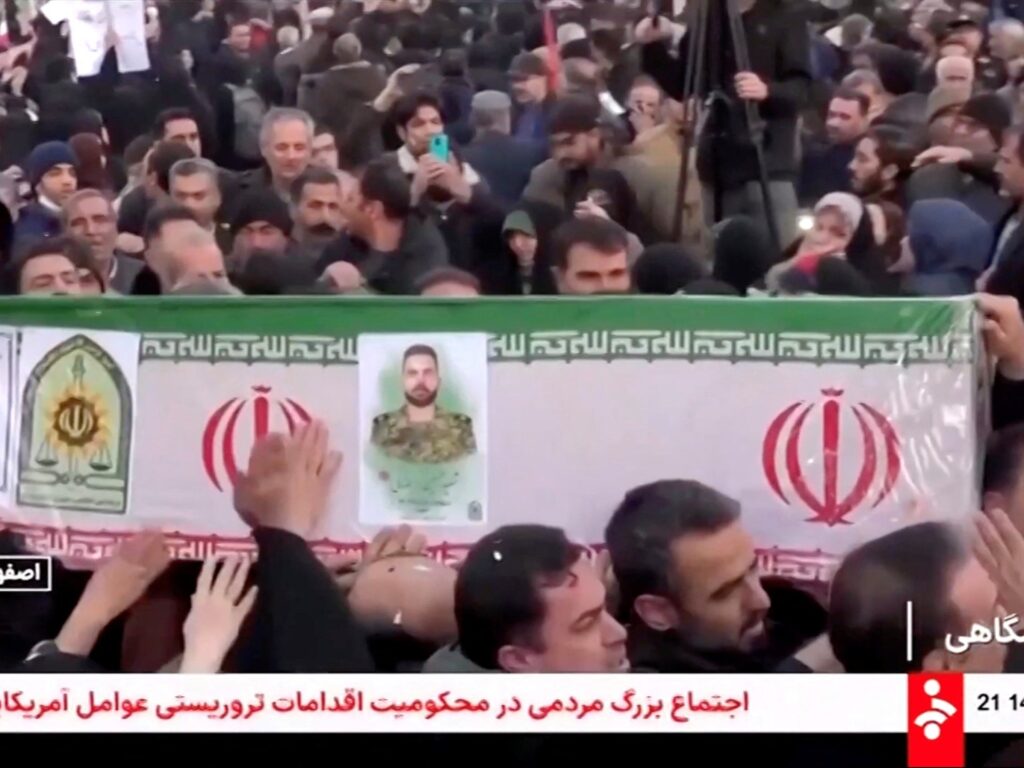
The ongoing protests in Iran have taken a violent and bloody turn, drawing international attention and deepening domestic turmoil. Tehran’s officials, including Iran’s Foreign Minister Abbas Araghchi, have condemned these disturbances, alleging that foreign elements have stoked and fueled the unrest with ulterior motives.
In a recent statement, Foreign Minister Araghchi emphasized that the protests were intentionally turned violent to provide the Trump administration in the United States with a pretext to intervene or increase pressure on Iran. He suggested that the unrest, while partly rooted in domestic grievances, was exacerbated by external forces aiming to destabilize the Iranian government.
The protests began as a response to economic difficulties and political dissatisfaction but have since escalated into widespread demonstrations with reports of clashes between protesters and security forces. The government has portrayed the demonstrations as being hijacked by foreign actors seeking to exploit Iran’s internal issues for geopolitical gains.
Iran’s leadership insists that the country’s sovereignty is being challenged through these orchestrated acts of unrest, asserting that the nation must remain vigilant against external interference. Officials have called on citizens to remain united and resist attempts by foreign powers to foment chaos.
Meanwhile, international observers have expressed concern over the escalating violence, highlighting the complex interplay between genuine domestic grievances and the potential influence of foreign involvement. The situation remains tense, with ongoing protests and security crackdowns contributing to an uncertain political environment.
President Trump’s administration has yet to officially confirm or deny any involvement or motives behind the protests, but Tehran’s accusations contribute to the broader narrative of strained U.S.-Iran relations. The U.S. has maintained a firm stance on Iran, particularly regarding its nuclear program and regional activities.
The Iranian government’s response to the protests includes increased security measures and attempts to control information flow. Internet blackouts and restrictions on social media have been reported, aiming to curb the spread of protest-related content and coordination among demonstrators.
As the protests continue, the Iranian people face the dual challenges of addressing their economic and social grievances while navigating the geopolitical tensions surrounding their country. The narrative from Tehran underscores a perspective that external forces are attempting to undermine Iran’s stability during a period of internal discontent.
In summary, the violent protests in Iran have been framed by the government as not only a reflection of domestic issues but also as a consequence of foreign interference designed to destabilize the nation and provide justification for U.S. policy actions. The situation remains fluid and closely watched by governments and analysts worldwide, highlighting the delicate balance between internal unrest and external geopolitical strategies.