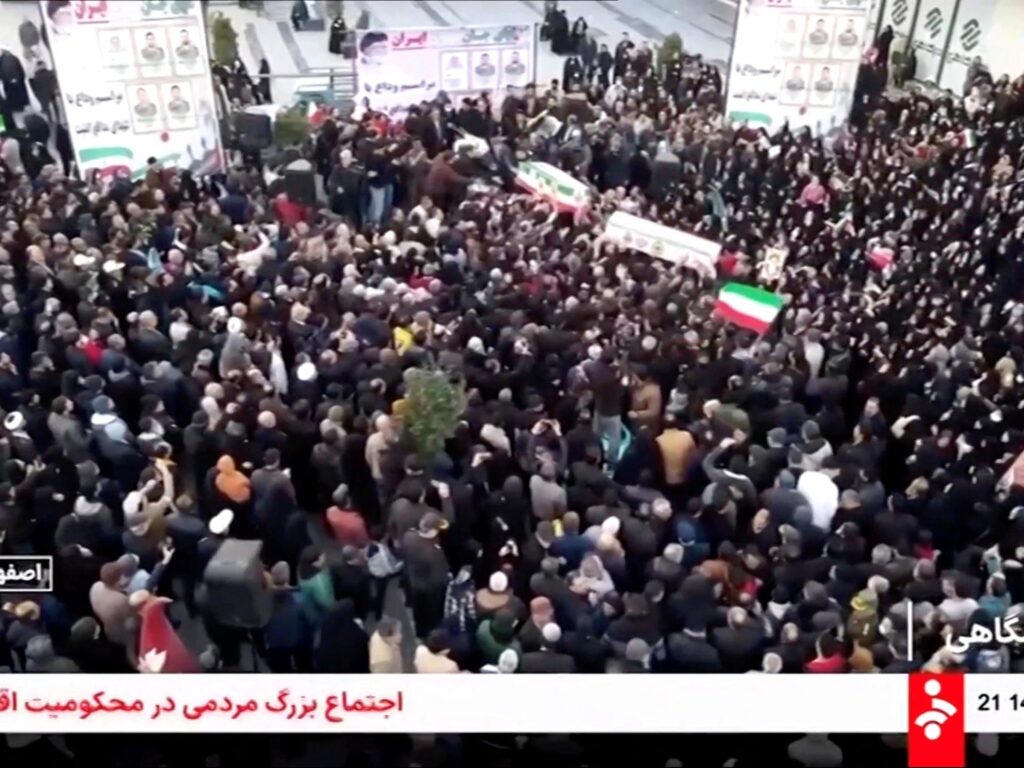
Recent developments in Iran have escalated tensions significantly, as the nation announces a three-day mourning period amidst widespread protests. The situation has drawn international attention, particularly from the United States, where President Donald Trump has expressed his concern and signaled a potential tough stance on Iran.
Iran has been experiencing intense protests due to various socio-political and economic grievances. The government’s announcement of a three-day mourning period highlights the seriousness of recent events, likely linked to casualties or significant unrest during these protests.
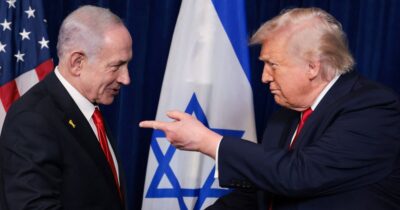
In response, the rhetoric from the United States has notably intensified, with President Trump stating that he has “very strong options” available regarding Iran. This statement underlines the potential for increased pressure from the US on Tehran, possibly including diplomatic, economic, or even military measures.
The US military is actively monitoring the situation on the ground in Iran, studying developments carefully to inform any decisions. This monitoring reflects the gravity of the circumstances and the possibility of rapid changes in the region’s stability.
Historically, relations between the US and Iran have been fraught, with tensions often escalating over Iran’s nuclear program, regional influence, and internal governance issues. The current protests and the US’s response add another complex layer to this already delicate relationship.
The international community is watching closely, as instability in Iran could have far-reaching impacts, including disruptions to global oil markets and heightened risks of conflict in the Middle East.
Analysts suggest that the Iranian government’s decision to declare mourning could be a strategic move to consolidate power and appeal for calm amid growing domestic unrest. Meanwhile, the US’s firm stance may be aimed at exerting pressure on Iran’s leaders to change their policies or approach to governance.
The situation remains fluid, with potential outcomes ranging from government concessions to further crackdowns and international sanctions. Advocacy groups and human rights organizations continue to call for peaceful resolutions and respect for the rights of protesters.
As events unfold, both Tehran and Washington face critical decisions that will shape the future stability of the region. The world remains attentive to speeches, military assessments, and diplomatic negotiations that will signal the next phase of this evolving crisis.