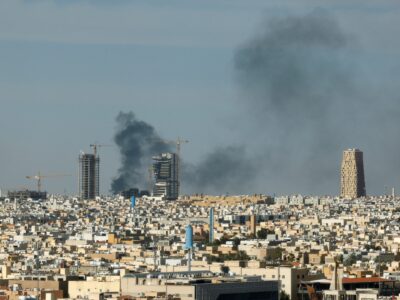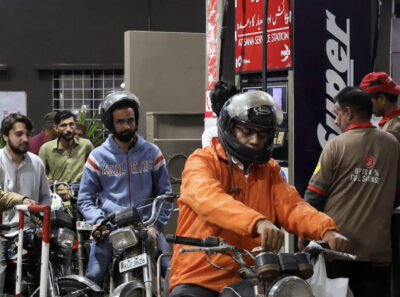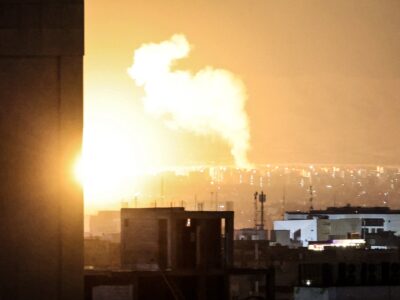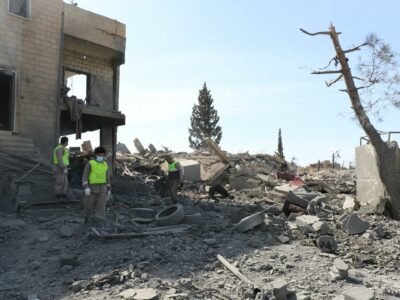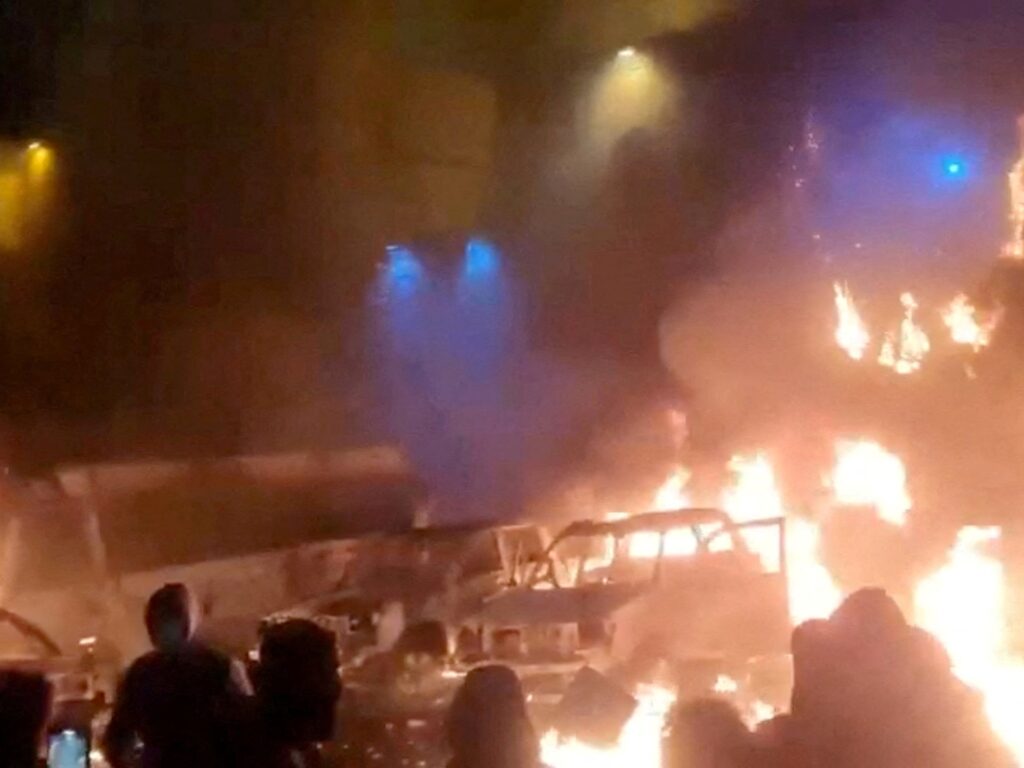
Iran is currently engulfed in the most intense wave of protests it has seen in years, sparked by a deepening economic crisis and widespread dissatisfaction among its citizens. The unrest has captured global attention as demonstrators take to the streets, demanding significant change. In response to the escalating turmoil, Iranian President has made a strong call for unity among the nation’s people, urging them to stand together during this challenging period.
Tensions have escalated not just internally but also externally, as Tehran issued a stern warning to the United States and Israel. Iranian officials declared that any attack against the country will be met with decisive retaliation, signaling a heightened state of alert and readiness to defend the nation.
The protests began as a reaction to economic grievances, including inflation, unemployment, and sanctions-related hardships. These factors have compounded over time, severely impacting the daily lives of many Iranians. What initially started as localized demonstrations quickly spread across multiple cities, evolving into widespread dissent against the government.
Observers note that the scale and intensity of the protests are unprecedented in recent years, indicating deep-rooted frustrations with both economic management and political governance. Social media and international news outlets have documented numerous instances of clashes between protestors and security forces, raising concerns about potential human rights violations.
The Iranian government has imposed various measures to control the situation, including curfews and internet restrictions, aiming to limit the spread of information and coordination among protestors. Despite these efforts, public discontent remains high, and experts suggest that the protest movement could persist.
International reactions have been mixed, with some countries expressing support for the Iranian people’s right to peaceful assembly and calls for government reform, while others emphasize respecting Iran’s sovereignty and caution against foreign interference.
The president’s call for unity highlights the government’s attempt to consolidate national solidarity while confronting both internal challenges and external threats. Analysts warn that Tehran’s firm stance against potential attacks from the US and Israel could increase regional tensions further.
In summary, Iran is at a critical juncture with its people pushing for change amid severe economic difficulties. The government’s warning to foreign adversaries underscores the volatile context within which these protests are unfolding, making the situation a focal point for international diplomatic and security concerns moving forward.