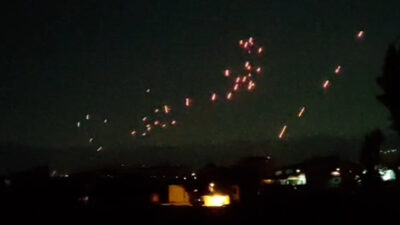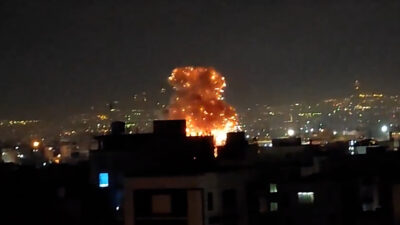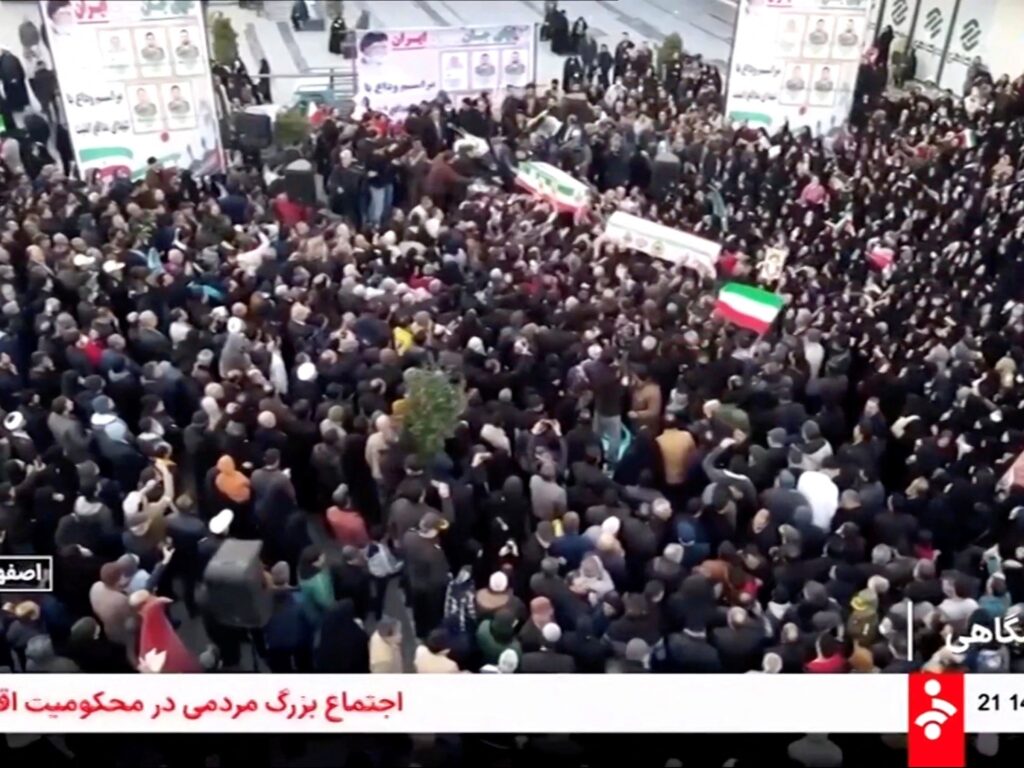
The situation in Iran has intensified amid widespread protests and a volatile political climate. In response to the unrest, Tehran has officially announced a three-day period of mourning, signaling the gravity of the current crisis. Meanwhile, the United States has escalated its rhetoric concerning Iran, with President Donald Trump stating that he has “very strong options” available to address the situation. This statement underscores the heightened tension between the two nations.
The protests, which have erupted over various political and social grievances, have captured global attention. Demonstrators have taken to the streets in significant numbers, challenging the Iranian government’s policies and calling for change. The government’s response has been firm, with security forces deployed to manage the unrest.
President Trump’s comments come as the US military closely monitors developments on the ground in Iran. The military’s assessment aims to provide a clear picture of the situation, helping inform potential US responses. This strategic evaluation reflects the complexity of the crisis and the delicate balance the US must maintain in its foreign policy toward Tehran.
Iran’s declaration of three days of mourning is a somber gesture, reflecting losses and the seriousness of the ongoing unrest. It serves as a formal acknowledgment of the impact of the protests on the nation, highlighting the government’s attempt to manage public sentiment and maintain control.
The US stance, articulated through President Trump’s strong language, indicates a readiness to consider a range of actions. While specific details of these “very strong options” have not been disclosed, the statement has increased speculation about possible US interventions or sanctions aimed at compelling change in Iran.
International observers remain concerned about the potential for escalation. The protests, coupled with the US’s vocal posture, raise the stakes for regional stability and global diplomatic relations. Nations around the world are closely watching how Tehran will navigate this turbulent period and how Washington’s strategy will unfold.
The complex background of US-Iran relations adds further nuance to the current crisis. Decades of hostility, sanctions, and political discord have shaped a fraught relationship that complicates responses to internal Iranian developments. The US approach to the protests is influenced not only by humanitarian concerns but also by broader geopolitical interests.
On the ground in Iran, protesters continue to voice demands for greater freedom, economic reform, and an end to corruption. Their persistence highlights the deep-rooted issues facing the country. The Iranian government’s challenge is to address these demands without exacerbating tensions or provoking further instability.
As the three-day mourning progresses, the global community hopes for a peaceful resolution. The interplay between Iran’s internal dynamics and US foreign policy will be critical in the coming days. The world watches anxiously as each side navigates this pivotal moment in a relationship marked by enduring conflict and recent upheaval.