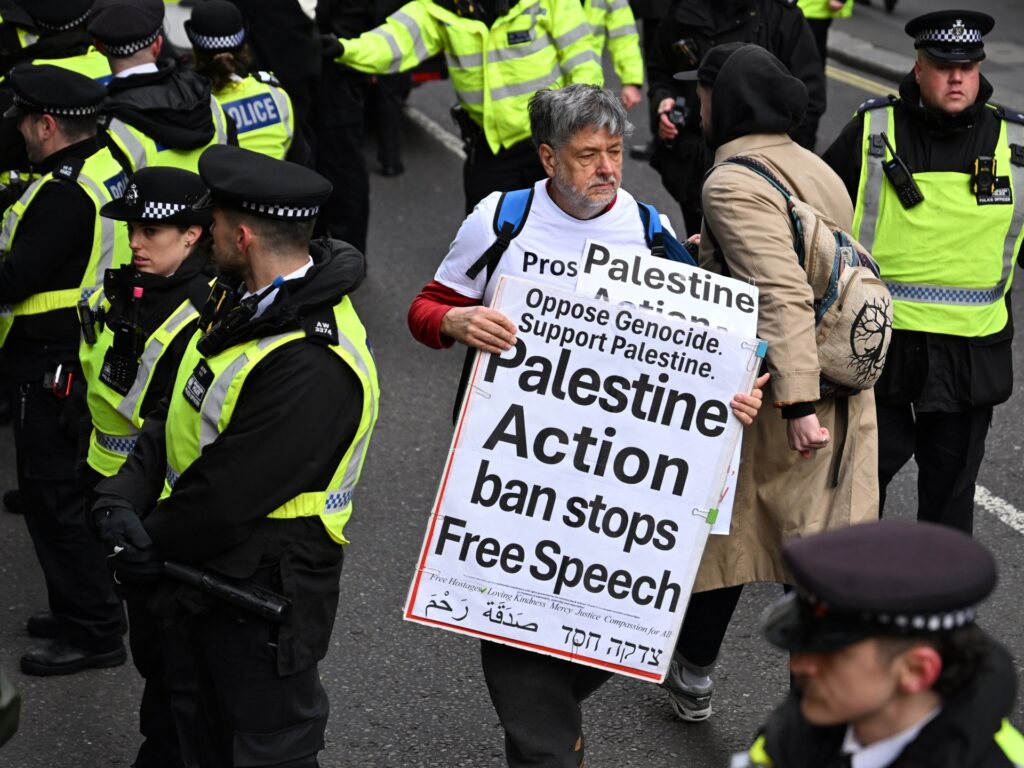
In a powerful demonstration of support, writers and scholars from around the world have declared their solidarity with prisoners participating in a hunger strike to support Palestine. These prisoners, associated with the Palestine Action group, have taken a stand through hunger strikes, drawing international attention to their cause.
The Palestine Action group is known for advocating Palestinian rights and resistance against perceived injustices. The hunger strike, undertaken by prisoners, is a form of non-violent protest aimed at raising awareness about their conditions and the broader struggle for Palestinian self-determination.
Writers and scholars have come forward, expressing their unwavering support. Their declarations emphasize the role of intellectual and creative communities in amplifying oppressed voices and shedding light on critical human rights issues. This solidarity includes public statements, petitions, and participation in events designed to increase awareness of the prisoners’ plight.
This movement highlights the intersection of art, activism, and political advocacy. Writers, who often speak to themes of justice and human rights in their work, see their support as part of a broader ethical responsibility. By standing with the hunger strikers, they not only endorse the prisoners’ courage but also call for international attention and action regarding the Palestinian cause.
The hunger strike has brought new focus to prison conditions faced by activists and the political dynamics at play in Palestinian territories. It raises urgent questions about the treatment of political prisoners, international law, and human rights standards.
Supporters argue that the hunger strike is a critical form of peaceful resistance that underscores the desperation and determination of those incarcerated. At the same time, global backing from scholars and writers helps amplify these voices beyond prison walls, fostering global dialogue and pressuring policymakers.
This show of solidarity is part of a larger global movement where cultural figures engage actively in political issues affecting human rights worldwide. By declaring their support, these writers contribute to a growing international chorus urging justice, dignity, and respect for Palestinian prisoners.
The Palestine Action group’s hunger strike and the solidarity expressed by the global intellectual community serve as a reminder of the ongoing struggles for freedom and human rights. They call upon governments, international organizations, and civil society to respond with compassion and genuine efforts to address the root issues.
As the hunger strike continues, the collaboration between prisoners and their supporters exemplifies how creative voices can influence political landscapes. This synergy between activism and artistry is a testament to the enduring power of solidarity in the face of adversity.