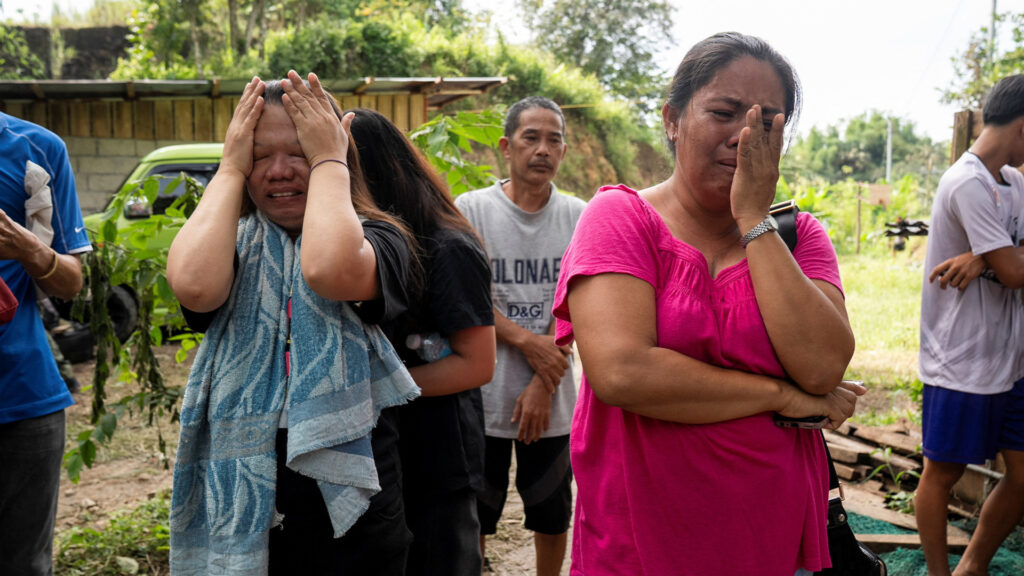
In the wake of a catastrophic landslide at a landfill site in the Philippines, families of the missing are holding onto hope for a miracle. The tragedy unfolded when a massive mountain of garbage suddenly collapsed, burying sections of the landfill and prompting an urgent rescue operation.
Rescuers are tirelessly sifting through the debris, racing against time to find survivors trapped beneath the waste. Despite the challenging and hazardous conditions, search teams remain undeterred, fueled by the desperate hope of recovering loved ones.
The landslide has left the local community devastated, as the landfill is not only a place of work for many but also a site where families live and scavenge for recyclable materials. The impact of this disaster extends beyond the immediate loss and the heartbreaking uncertainty faced by families; it also raises pressing questions about waste management and safety protocols in areas susceptible to such hazards.
Authorities have launched investigations into the factors contributing to the collapse, including the structural stability of the landfill and the adequacy of safety measures. The tragedy has drawn attention to the broader issues of environmental management and urban planning in rapidly growing communities.
Emergency services and local organizations have mobilized to provide support to affected families, offering shelter, food, and counseling services. The broader Filipino community and international observers have expressed solidarity, highlighting the urgent need for improved disaster preparedness and sustainable waste management practices.
As the search for survivors continues, the plight of the families left waiting at the site is a poignant reminder of the human cost underlying environmental tragedies. The tragedy calls for a critical evaluation and reform to prevent future disasters of this nature, underscoring the importance of safety, resilience, and support for vulnerable populations.
This incident serves as a solemn reflection on the intertwined challenges of environmental stewardship and social justice, urging stakeholders at all levels to work collaboratively towards safer and more sustainable futures.