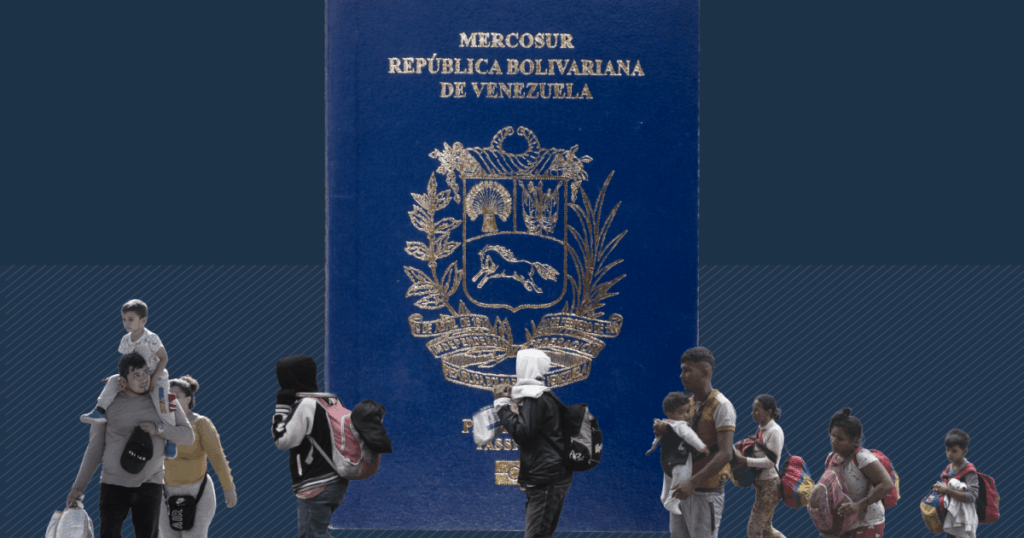
In recent years, Venezuela has experienced a significant exodus of its population, with about 8 million Venezuelans fleeing the country. This number represents roughly a quarter of Venezuela’s total population, highlighting the severity of the humanitarian and economic crisis within the nation. These displaced individuals have sought refuge and better opportunities across various countries, primarily in the Americas.
The largest populations of Venezuelan migrants can be found in neighboring and accessible countries where cultural and linguistic similarities ease adaptation. Colombia hosts the largest number of Venezuelan migrants, with over 2.5 million Venezuelans residing there. The country’s shared border with Venezuela makes Colombia the primary destination for many refugees and migrants escaping the ongoing crisis.
Following Colombia, Peru has become a significant hub for Venezuelan migrants, holding approximately 1.3 million Venezuelans. Peru’s relatively open migration policies and economic opportunities have attracted large numbers of the displaced population.
Other countries with notable Venezuelan populations include Ecuador, with over 400,000 Venezuelans, and Chile, which hosts close to 475,000 migrants from Venezuela. These countries have become important destinations due to their economic stability and the presence of established Venezuelan communities.
In addition to these South American nations, the United States has also seen a considerable increase in Venezuelan immigrants, with estimates of over 400,000 making a new home there. The U.S. offers diverse opportunities and has communities that support integration.
Spain stands out as the primary European destination for Venezuelan migrants, hosting over 350,000 individuals. Historical ties, language, and established diaspora networks contribute to Spain’s attractiveness for Venezuelan immigrants.
Brazil, although larger in landmass and population, has a smaller Venezuelan population relative to its size, with approximately 260,000 Venezuelans. Many of them reside near the border areas, escaping the crisis and seeking aid.
Other countries throughout Latin America and further abroad have smaller populations of Venezuelans but are also contributing to the broader humanitarian response to the Venezuelan refugee crisis.
The migration from Venezuela remains one of the largest mass displacement movements in recent Latin American history. It continues to challenge the resources and policies of host countries while highlighting the resilience and determination of Venezuelans seeking safety and opportunity abroad.