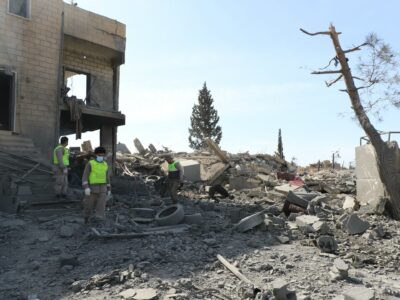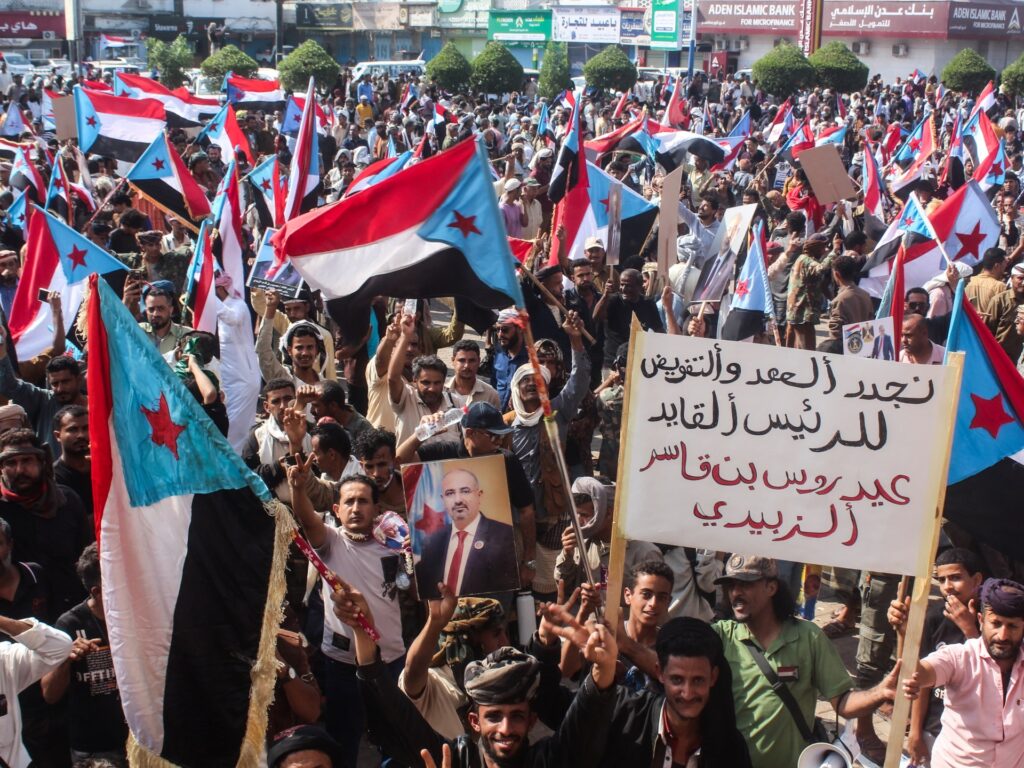
In a significant development in Yemen’s ongoing conflict, the government led by Rashad al-Alimi has declared that it has successfully retaken several southern areas previously controlled by the separatist Southern Transitional Council (STC) forces. This announcement comes amidst escalating tensions as thousands of residents in the southern port city of Aden rallied in support of the STC, signaling continued division and unrest.
The Southern Transitional Council, a powerful faction advocating for southern independence, has been a critical player in Yemen’s complex civil war landscape. The government’s statement on regaining control marks a crucial moment in their efforts to restore national unity and challenge the separatist movement’s influence.
Al-Alimi addressed the situation with a firm stance, emphasizing the government’s commitment to stabilizing the region and thwarting any attempts at fragmentation. His speech underlined the necessity of restoring order and maintaining Yemen’s territorial integrity, highlighting the government’s determination despite the ongoing challenges.
The recent rally in Aden, a strategic and symbolic city in southern Yemen, demonstrated considerable popular support for the STC. The thousands of participants showcased their backing for the separatist cause, advocating for greater autonomy from the central government. This public display of power illustrates the deep-rooted divisions within the country and complicates the path towards a peaceful resolution.
The recapture of the southern areas by government forces is expected to alter the dynamics of power in the region, potentially leading to intensified confrontations between the STC and the government. The move also reflects the fragile nature of Yemen’s coalition government, which has struggled to maintain cohesion since its formation.
International observers and regional stakeholders have expressed concern over the recent developments, fearing that renewed fighting could exacerbate the humanitarian crisis that Yemen continues to face. With millions displaced and the country experiencing widespread famine and disease, stability remains a critical priority.
Both the government and the STC face immense challenges ahead. While the government seeks to assert control and promote unity, the STC’s continued influence and public support suggest that southern separatism remains a potent force.
The situation in Yemen remains fluid, and developments in the southern territories will likely play a pivotal role in shaping the future political landscape. Efforts by international mediators to broker peace will need to account for the complex interplay of local loyalties and the significant support for the STC in the south.
As the conflict unfolds, Yemen’s people continue to endure hardship, underscoring the urgent need for effective dialogue and reconciliation to foster long-term stability and peace. Amidst the competing forces and competing visions for Yemen’s future, the path to peace remains uncertain but critically important for the region and beyond.