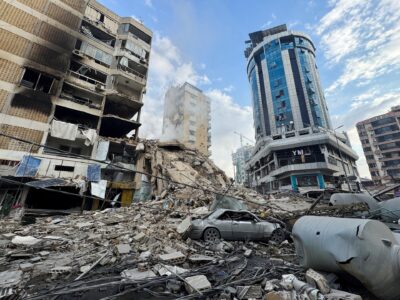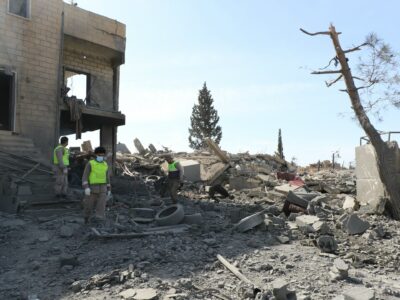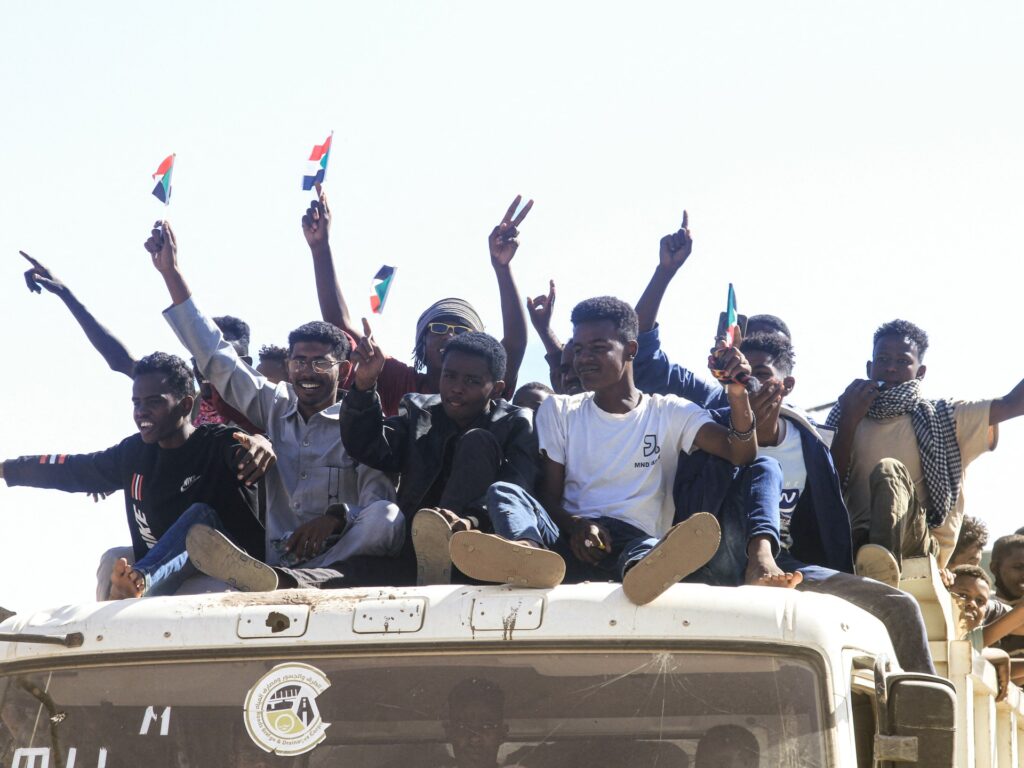
Sudan’s army-aligned government has officially announced its return to the capital city, Khartoum, marking a significant development in the ongoing conflict that erupted in 2023. This move ends the government’s wartime relocation to a temporary capital following the rapid takeover of Khartoum by the Rapid Support Forces (RSF) during the early days of the war.
The conflict, which began as a power struggle between the Sudanese Armed Forces and the RSF, led to widespread violence and instability. The RSF swiftly captured Khartoum, forcing the government to shift operations to an alternative location to maintain continuity and safeguard key administrative functions.
After months of intense fighting and negotiations, the government has now re-established its presence in Khartoum, signaling a potential shift towards stabilization. Officials expressed hope that this move will reinstate governmental control and improve the security situation in the capital.
The return to Khartoum also underscores the ongoing complexities of the conflict, highlighting the challenges faced by both sides in asserting authority over Sudan’s political and territorial landscape. While this relocation is a positive step for the official government, the situation remains fragile given the RSF’s influence and military capabilities.
International observers have welcomed the government’s relocation back to Khartoum, viewing it as an opportunity for renewed diplomatic efforts and humanitarian access. The move may pave the way for increased dialogue and potential ceasefire agreements aimed at ending the conflict.
Sudan’s escalating crisis has led to significant humanitarian concerns, with countless civilians caught in the crossfire and widespread displacement reported. The government’s return to Khartoum is seen as a critical juncture that could facilitate better coordination of aid and services for affected populations.
Despite the hopeful signs, experts caution that much work remains to be done to achieve lasting peace. Both the Sudanese Armed Forces and the RSF continue to wield considerable power, and ongoing clashes in various regions of the country threaten to undermine stability efforts.
The international community continues to call for restraint and dialogue, emphasizing the need for a political solution that honors the will and welfare of the Sudanese people. Sudan’s path forward will likely depend on the ability of its leaders and rival factions to negotiate an end to hostilities and rebuild the nation.
As Sudan navigates these turbulent times, the government’s return to Khartoum stands as a crucial milestone in the broader quest for peace and recovery. Observers remain cautiously optimistic, recognizing both the opportunities and obstacles that lie ahead in the nation’s recovery journey.