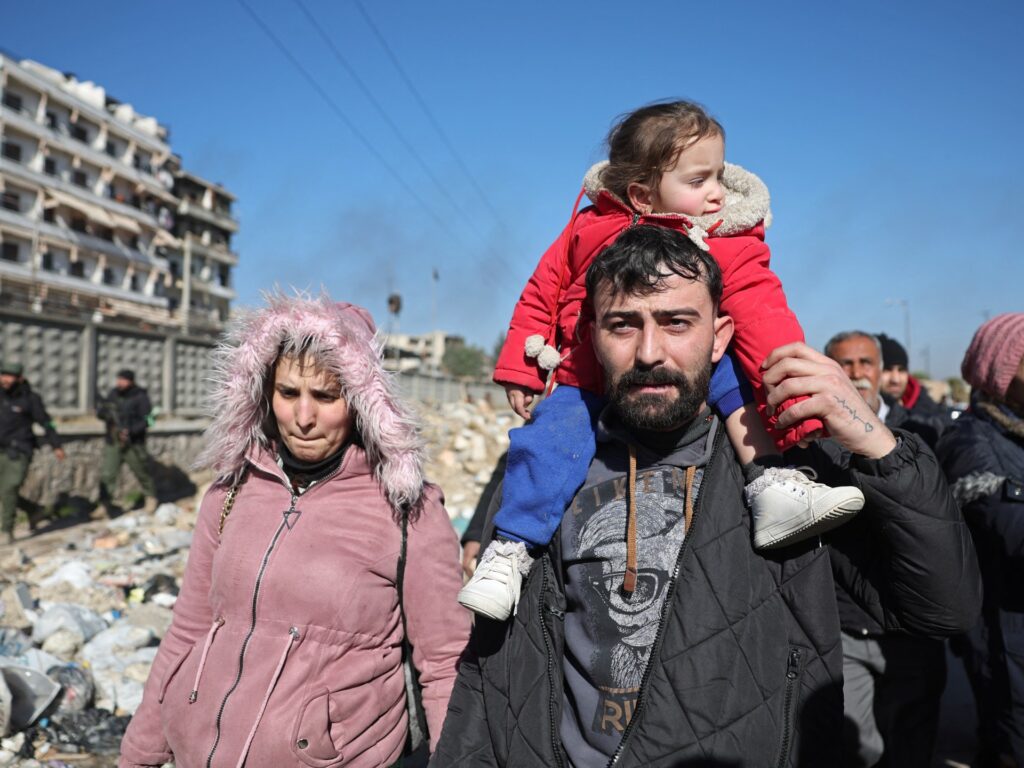
Aleppo, Syria – The city of Aleppo is experiencing a notable reduction in violence following a period of heightened conflict marked by a significant drone strike on a government building. The recent escalation, which involved the deployment of a drone alleged to have been launched by the Syrian Democratic Forces (SDF), raised tensions throughout the governorate. However, reports from the region indicate that Kurdish fighters have begun a process of disarmament, leading to a relative calm across the city and surrounding areas.
The incident that precipitated this uneasy calm occurred when a government facility in Aleppo was targeted by a drone. Officials and local sources claim the unmanned aerial vehicle (UAV) was deployed by elements associated with the SDF, a mainly Kurdish armed group operating in northern Syria. This attack led to renewed clashes between Kurdish fighters and regime forces, threatening the fragile security situation in the governorate.
The assault on the governorate building was one of the most severe in recent weeks, highlighting ongoing friction despite numerous attempts at ceasefire agreements throughout the region. The drone strike caused physical damage to the infrastructure and raised concerns about an escalation in the use of drone technology in the conflict.
Following the attack, negotiations and diplomatic efforts intensified under the watchful eye of regional and international actors invested in stabilizing Syria. Kurdish forces engaged in talks regarding disarmament, aiming to de-escalate tensions and pave the way for renewed peace talks.
The decision by Kurdish fighters to disarm is viewed as a significant step toward reducing hostilities and fostering dialogue between the various factions embroiled in the conflict. Analysts suggest that this move could open the door for a broader reconciliation process in Aleppo, which has witnessed years of civil war and military strife.
Residents in Aleppo have expressed cautious optimism as gunfire and explosions have become less frequent, allowing some semblance of daily life to resume. Humanitarian agencies are hopeful that this relative calm will facilitate the delivery of aid and reconstruction efforts in parts of the city devastated by prolonged warfare.
Despite the current de-escalation, experts warn that the situation remains fragile, and any renewed acts of aggression, such as drone strikes or armed confrontations, could quickly unravel the progress made. The role of the SDF and other armed groups will be critical in maintaining the ceasefire and supporting political solutions.
The international community continues to monitor developments closely, emphasizing the need for all parties to adhere to ceasefire agreements and to commit to peaceful resolution of disputes. The use of drones in conflict zones has emerged as a significant concern worldwide, with calls for stricter oversight and regulation to prevent further destabilization.
In conclusion, the relative calm observed in Aleppo represents a hopeful yet tentative phase in the ongoing Syrian conflict. The disarmament of Kurdish fighters serves as a promising sign that dialogue and negotiation might replace violence, potentially leading to sustained peace in the war-torn governorate. Continued vigilance and support from both local and global stakeholders will be essential to consolidate these gains and foster long-term stability in the region.