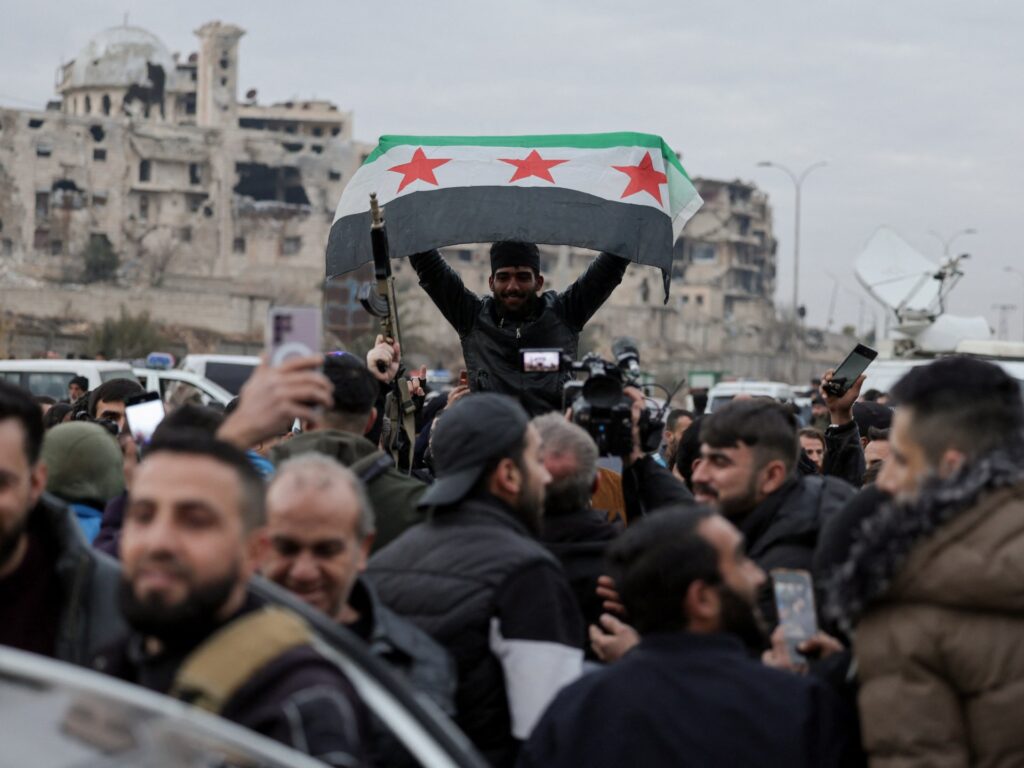
After several days of intense clashes in Syria’s Aleppo, Kurdish fighters affiliated with the Syrian Democratic Forces (SDF) have reportedly left the city. This departure comes in the wake of the Syrian army’s successful operation to take control of the Sheikh Maqsoud district, a key area within Aleppo.
Aleppo, one of Syria’s most strategically significant cities, has long been a focal point of conflict involving various factions. The recent skirmishes marked yet another chapter in the ongoing struggle for control between the Syrian government forces and the Kurdish-led SDF.
According to Aleppo’s governor, the last remaining SDF fighters have now evacuated Aleppo, signaling a significant shift in territorial control. The Syrian army’s capture of Sheikh Maqsoud, historically a Kurdish stronghold, underscores the government’s intent to reassert authority over the entire city.
The withdrawal of Kurdish forces is seen as a crucial moment in the broader context of the Syrian civil war, which has witnessed shifting alliances and frontlines. While the SDF has controlled parts of northern Syria for years, their presence in Aleppo’s Sheikh Maqsoud district has been contested.
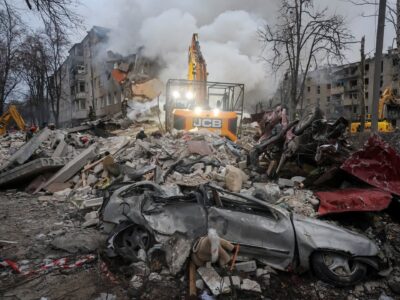
Humanitarian concerns remain high as residents of the city face the repercussions of repeated confrontations. The population of Sheikh Maqsoud includes many civilians who have suffered disruptions due to the fighting, including damage to infrastructure and limited access to essential services.
The Syrian army’s advancement is expected to bring a measure of stability to Aleppo, with government forces aiming to restore order and rebuild key facilities. However, the future of Kurdish political and military influence in Aleppo and the wider region remains uncertain.
Analysts note that this development could impact the dynamics between the Syrian government and Kurdish groups, potentially influencing negotiations related to autonomous governance arrangements within Syria.
International stakeholders keenly observe these developments as they bear on the prospects for peace and the realignment of power structures within the war-torn country.
As the city begins to adjust to the new realities on the ground, efforts toward reconciliation and reconstruction will be critical to ensuring long-term stability in Aleppo and beyond.