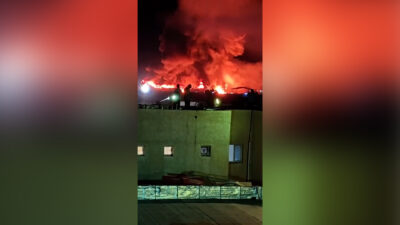
In a continued escalation of tensions in the occupied West Bank, Israeli forces have killed a Palestinian in Hebron, marking one of the latest incidents in what has been described as a record level of violence in the region. The incident took place amidst a series of raids carried out by Israeli forces in various West Bank cities, including Nablus and East Jerusalem, where an East Jerusalem wedding was reportedly disrupted by the security operations.
The deadly operation in Hebron adds to growing concerns over the increasing frequency of confrontations between Israeli forces and Palestinians. This rise in violence has coincided with a notable expansion of Israeli settlements across the occupied West Bank, a move strongly condemned by Palestinians and drawing international criticism for undermining prospects for peace.
According to eyewitness accounts and local sources, the killing occurred during a raid in the city center of Hebron, a hotspot for clashes and confrontations over the years. Israeli military sources stated that the Palestinian was involved in an altercation, but details remain scarce and disputed by Palestinian officials.
Simultaneously, security operations in Nablus targeted multiple locations, resulting in several arrests and property damage, as part of what Israeli authorities described as efforts to curb militant activities. These raids have been met with protests and condemnation from local Palestinian residents and leaders, who accuse the Israeli military of excessive use of force and collective punishment.
Additionally, an Israeli raid in East Jerusalem disrupted a wedding procession, drawing condemnation from Palestinian communities and human rights groups. Such incidents have heightened fears among Palestinians that Israeli military and police operations are increasingly aggressive and indiscriminate, especially during social and communal events.
The backdrop to these developments is a worsening humanitarian and security situation in the West Bank, where restrictions, checkpoints, and settlements have limited mobility and economic growth for Palestinians. The recent surge in violence and military operations not only affects daily life but also deepens mistrust and animosity between the two sides.
International reactions to the recent violence have varied, with some nations calling for restraint and dialogue, while others emphasize Israel’s right to security. However, human rights organizations have urged all parties to adhere to international law and protect civilian lives, expressing concern over possible violations during military raids.
As tensions escalate, the prospects for a peaceful resolution to the Israeli-Palestinian conflict seem increasingly distant. The killing in Hebron and the subsequent raids signal a dangerous cycle of violence that threatens to spiral further unless urgent steps are taken toward de-escalation and renewed negotiations.
Experts warn that without addressing the core issues of occupation, settlement expansion, and political disenfranchisement, violence is likely to continue unchecked. Meanwhile, ordinary Palestinians continue to bear the brunt of the conflict, facing daily uncertainties and hardships amid the volatile environment.
The international community is called upon to intensify efforts in mediating a lasting solution, emphasizing respect for human rights and international law. Until then, incidents like the one in Hebron serve as grim reminders of an enduring conflict marked by loss, suffering, and the urgent need for peace.