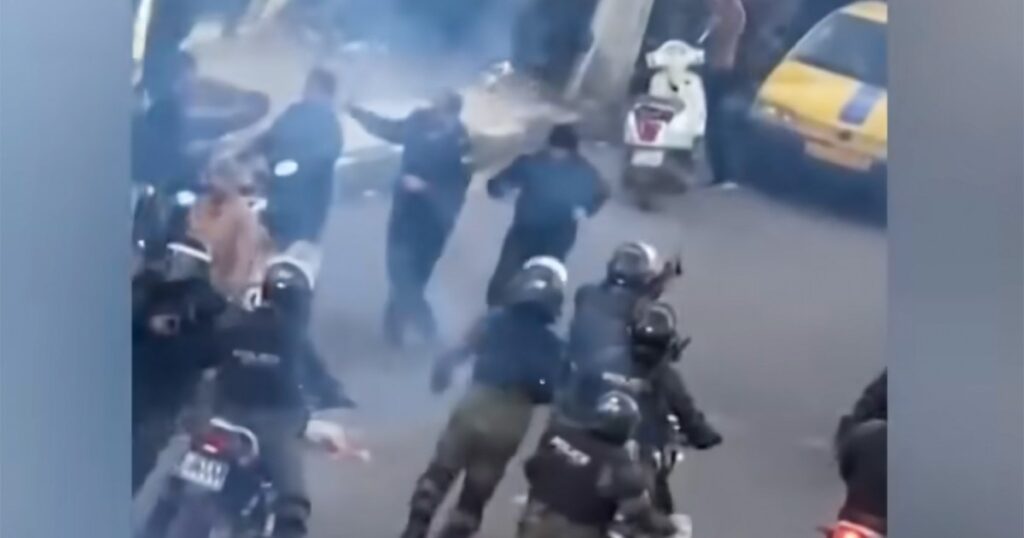
Iran has reported the death of more than 100 law enforcement officers amidst ongoing nationwide protests against the government. These protests have escalated despite a stringent crackdown imposed by Iranian authorities. \n\nThe unrest that began as a response to various socio-economic issues has transformed into a broader challenge to the government’s authority. In response, Iranian security forces have employed significant measures to suppress demonstrations, leading to substantial casualties among officers. \n\nThe Iranian Parliament speaker has issued a stern warning to the United States, cautioning against any military intervention. This statement comes in the wake of threats from then-President Donald Trump, who suggested that the US might carry out military strikes in response to the situation. \n\nThe speaker’s warning underscores the heightened tensions between Tehran and Washington, framing any foreign attack as a direct aggression against Iran’s sovereignty. This alert adds another layer of complexity to the already volatile situation within the country. \n\nThese developments occur amid a backdrop of growing dissatisfaction among Iranian citizens with the economic conditions and political climate. The protests highlight widespread grievances and call attention to systemic issues faced by the population. \n\nThe international community has expressed concern over both the violent suppression of protesters and the potential for broader conflict stemming from the US-Iran tensions. Diplomatic efforts remain cautious as both sides navigate a delicate balance of power and influence in the region. \n\nAs the situation unfolds, the loss of over 100 officers marks a significant toll on Iran’s security apparatus, reflecting the intensity and scale of the challenges faced by the government. The evolving crisis calls for careful monitoring, given its implications for regional stability and international relations. \n\nIn summary, Iran is grappling with sustained protests that have resulted in considerable casualties among law enforcement, while the government faces threats from both domestic unrest and external geopolitical pressures. The warnings from the parliamentary leadership signal a firm stance against foreign interference as the country confronts this critical period.