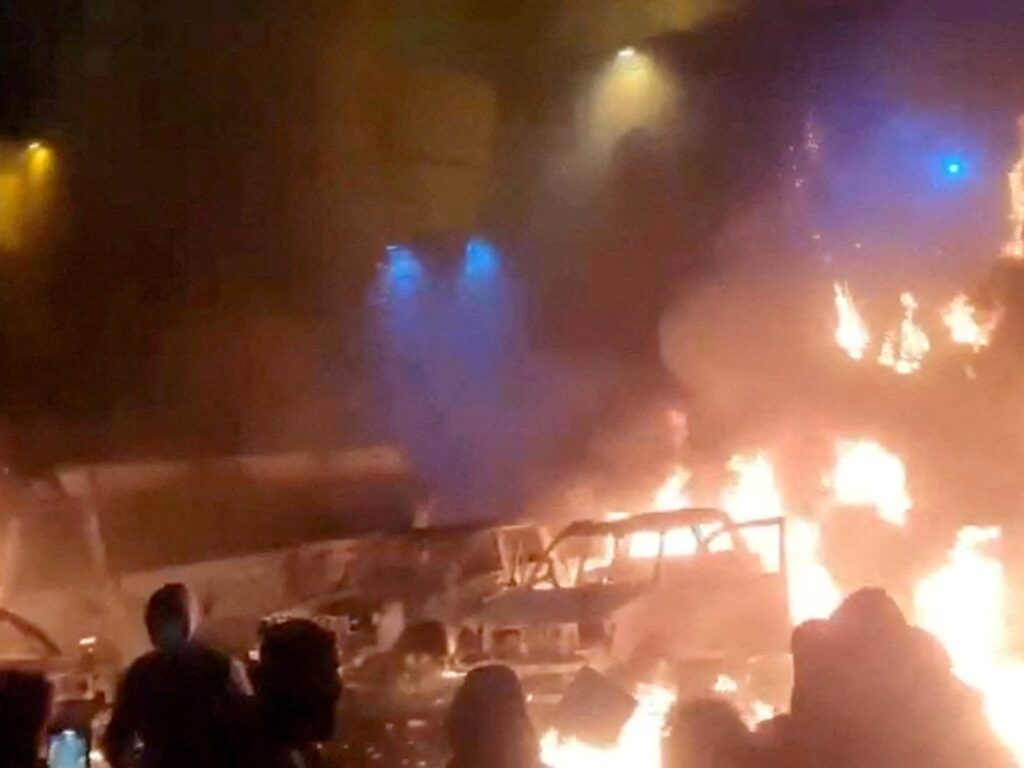
Iran is currently experiencing significant protests, marking the most intense unrest in years. The protests, which erupted due to an ongoing economic crisis, have rapidly escalated throughout the country, capturing international attention.
In response to the growing turmoil, the Iranian president has called for national unity, urging citizens to come together to overcome the challenges faced by the nation. This appeal for solidarity comes as the government’s position becomes increasingly precarious.
Tehran’s leadership has issued a strong warning to external actors, specifically the United States and Israel, stating that Iran will retaliate if attacked. This statement reflects the heightened tensions between Iran and these countries amidst the ongoing demonstrations.
The protests were initially sparked by severe economic difficulties, including rising inflation, unemployment, and currency devaluation, which have significantly impacted the daily lives of ordinary Iranians. The population’s frustration has boiled over into widespread demonstrations demanding political and economic reforms.
Security forces have responded to the protests with increased measures, which critics argue have escalated the violence. Reports of clashes between demonstrators and law enforcement have been widespread, with numerous injuries and arrests documented.
International communities have expressed concern over the situation, calling for restraint from all parties involved. The United Nations and various human rights organizations have urged the Iranian government to respect citizens’ rights to peaceful protest and to engage in dialogue to address their grievances.
Economic experts warn that without substantial reforms and stabilization, the crisis may deepen, leading to more prolonged unrest. The Iranian economy has been under strain from international sanctions and internal mismanagement, exacerbating the public’s hardships.
Observers note that the government’s firm stance against foreign interference and hesitation to enact considerable reforms could further isolate Iran and inflame domestic tensions.
The situation remains fluid as protests continue across various cities, with protesters demanding accountability, better governance, and relief from economic pressures. The global community watches closely, aware that Iran’s internal stability has profound implications for regional security and international relations.
In summary, Iran stands at a critical juncture: facing widespread protest driven by economic despair, advocating for national unity amid calls for change, and warning foreign powers against intervention. How this situation unfolds will significantly impact both the country’s future and broader geopolitical dynamics.