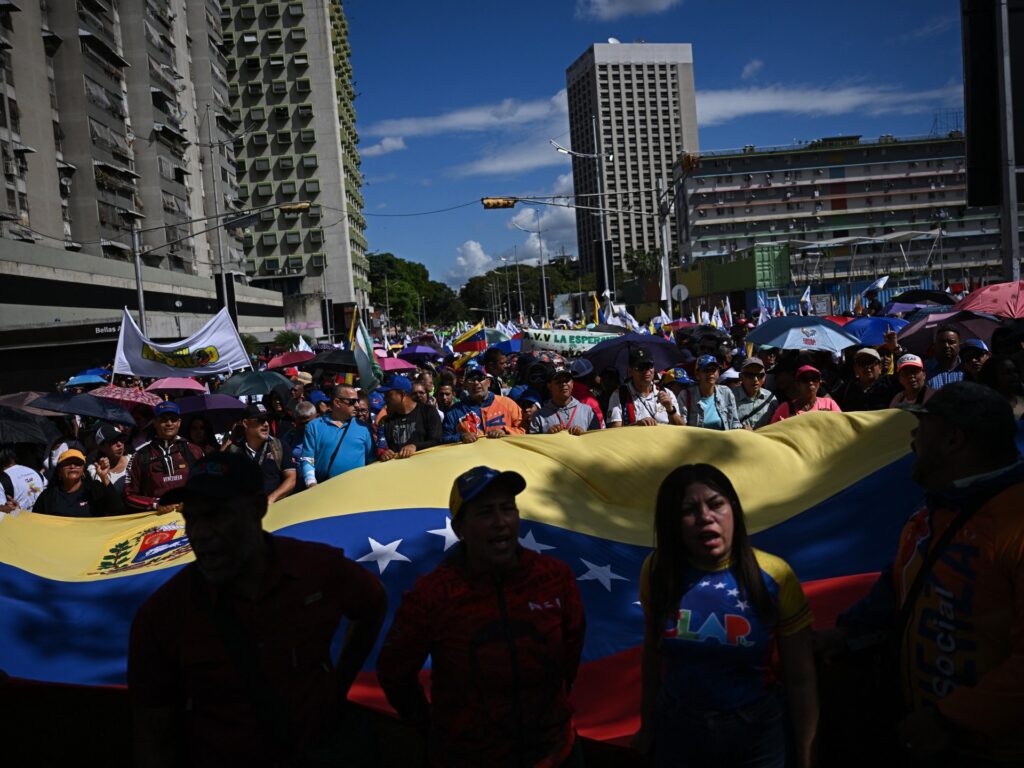
In a significant development in Latin American diplomacy, Venezuela has embarked on an exploratory process aimed at re-establishing formal diplomatic relations with the United States. This move comes at a crucial time when geopolitical tensions have been heightened following recent events in Venezuela.
Over the past week, State Department officials from the United States have made an unprecedented visit to Caracas. This visit marks a notable shift in the diplomatic approach between the two countries, which have experienced strained relations for years. The visit occurred shortly after a military operation resulted in the abduction of Nicolas Maduro, Venezuela’s president, an event that sent shockwaves across international communities and intensified scrutiny of the Venezuelan political landscape.
The United States and Venezuela have long had a complex relationship characterized by periods of confrontation and limited cooperation. Under past administrations, diplomatic ties were downgraded following allegations of corruption, human rights abuses, and concerns over democratic processes in Venezuela.
The current exploratory talks are seen as an initial step toward potentially restoring formal diplomatic channels once again, which could open avenues for dialogue on critical issues such as economic sanctions, humanitarian aid, and regional security.
According to UN officials and diplomatic sources, these talks aim to lay the groundwork for rebuilding confidence and addressing mutual concerns. The discussions are expected to explore mechanisms for cooperation and engagement that respect Venezuela’s sovereignty while addressing international apprehensions.
Experts suggest that this move could signify a realignment in US foreign policy in Latin America, reflecting a pragmatic approach to engaging with Venezuela to foster stability in the region.
The Venezuelan government has expressed openness to these talks, emphasizing the importance of respectful and constructive dialogue. Meanwhile, US officials have cautiously welcomed the opportunity to engage, citing the need for peaceful solutions amidst the ongoing crisis in Venezuela.
This exploratory engagement neither implies immediate normalization of relations nor guarantees swift outcomes. Instead, it represents a diplomatic opening that could pave the way for gradual rapprochement.
Observers note that this development comes amid global calls for peaceful conflict resolution and greater cooperation in addressing humanitarian challenges.
As these exploratory talks proceed, both countries face significant hurdles, including divergent views on governance, human rights, and economic policies. Nevertheless, the initiation of dialogue itself is seen as a positive step toward reducing tensions and exploring shared interests.
The international community is watching closely as Venezuela and the United States navigate this delicate diplomatic path. Successful re-engagement could have profound implications for the region, potentially impacting trade, security, and the geopolitical landscape.
In conclusion, Venezuela’s move to start an exploratory process with the United States represents a hopeful yet cautious attempt at diplomatic renewal. While many uncertainties remain, the willingness to engage marks an important chapter in the evolving relationship between these two nations.