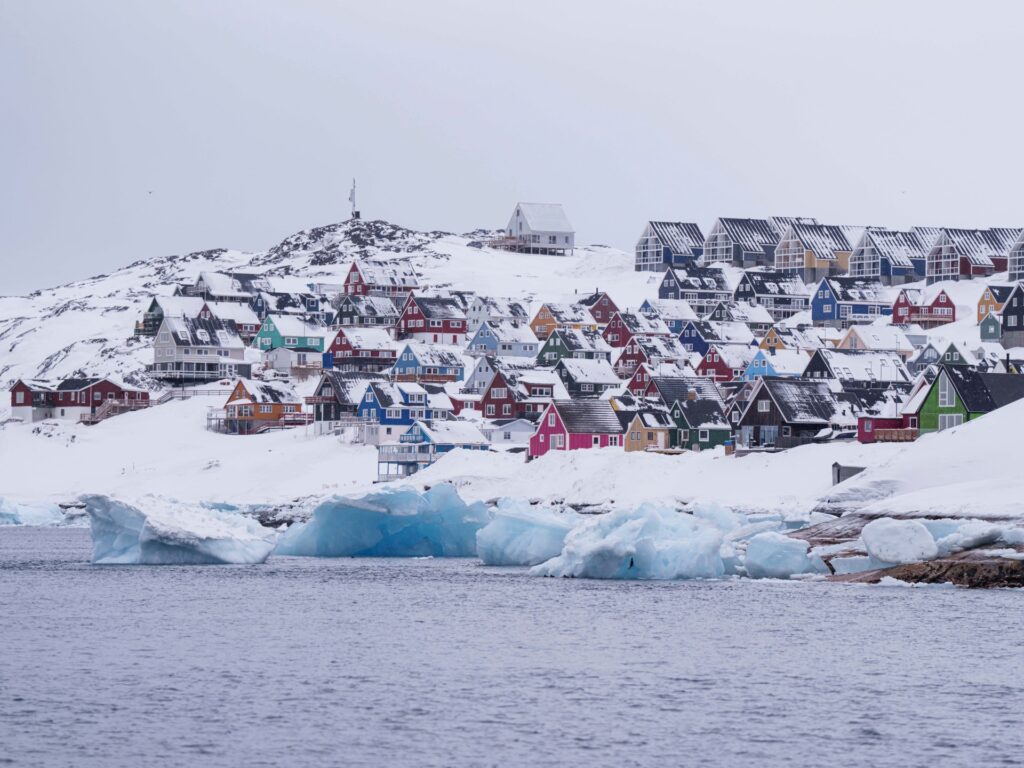
In a recent development that has stirred diplomatic tensions, former U.S. President Donald Trump threatened to take Greenland ‘the hard way,’ escalating concerns around Arctic strategy and geopolitical stability. Greenland, an autonomous Danish territory rich in strategic importance, has long been at the center of international interest due to its natural resources and critical location in the Arctic region.
Trump’s comments come amid ongoing discussions about the United States’ ambitions to strengthen its presence and influence in the Arctic. The strategic value of Greenland lies in its potential for military installations, surveillance capacities, and resource extraction opportunities. The Arctic is rapidly becoming a hotspot for global powers, with climate change opening new sea routes and access to previously untapped resources.
The Danish Prime Minister swiftly responded to Trump’s remarks, warning that any armed action by the U.S. to acquire Greenland could destabilize the North Atlantic Treaty Organization (NATO) and undermine decades of Arctic security cooperation. Denmark, along with its Arctic neighbors, has emphasized the importance of peaceful dialogue and multilateral agreements to address challenges in the region.
The Prime Minister’s statement highlighted that Greenland’s status as a Danish territory is recognized internationally and that any attempt to change this arrangement through force would not only violate international law but also jeopardize regional stability. The Arctic cooperation framework includes commitments from multiple countries to ensure the safe and sustainable development of the region, focusing on environmental protection, scientific research, and security.
Experts note that Trump’s aggressive rhetoric underscores the increasing geopolitical competition in the Arctic. The United States, Russia, China, and European nations are all vying for access and influence, often leading to heightened tensions. However, military confrontation remains a highly sensitive and destabilizing option.
The United States House of Representatives and Senate have seen debates regarding Arctic policy, with some lawmakers advocating for stronger U.S. military presence to counter perceived threats, while others call for diplomatic approaches to maintain peace and stability.
Public reaction to Trump’s comments has been mixed, with some viewing it as a strategic posturing to assert U.S. interests, while others criticize it as reckless and damaging to diplomatic relations. Greenlandic leaders have expressed concern over the potential impacts on their community and autonomy.
The Arctic Council, an intergovernmental forum that includes Greenland’s representatives through Denmark, continues to promote cooperation among Arctic states. It focuses on sustainable development and addressing challenges like climate change, economic development, and indigenous peoples’ rights.
As the geopolitical landscape in the Arctic evolves, the situation surrounding Greenland serves as a reminder of the delicate balance between national ambitions and international cooperation. The threat of taking Greenland ‘the hard way’ highlights the potential risks of military action in a region that demands collaborative management.
Moving forward, diplomatic channels and dialogue remain critical to ensuring that the Arctic remains a zone of peace and responsible stewardship. The international community’s response to these developments will shape the future of Arctic governance and security for years to come.