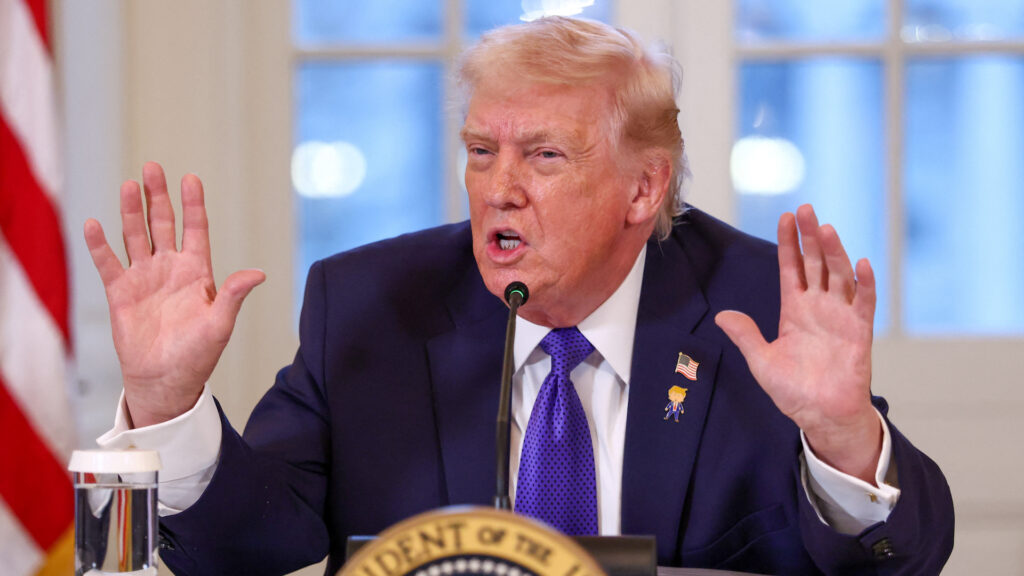
In a strategic move aimed at reshaping US involvement in Venezuelan oil production, President Donald Trump convened a meeting with top US oil industry executives. The primary focus of the discussions was the potential role of American oil companies in extracting Venezuela’s vast oil reserves, amid the country’s ongoing crisis and strained international relations.
During the meeting, President Trump emphasized that the US administration will take a decisive stance on which oil companies will be authorized to operate in Venezuela. This approach signals a controlled and strategic engagement with Venezuela’s energy sector, potentially bypassing state-run oil enterprises and circumventing sanctions imposed on the Venezuelan government.
The United States has long maintained sanctions against Venezuela, particularly targeting the oil industry, which is the linchpin of the country’s economy. These sanctions were intended to pressure the Venezuelan government politically and economically, especially targeting President Nicolás Maduro’s regime.
However, recent developments suggest that the Trump administration is exploring avenues to leverage the United States’ expertise and technological superiority in oil extraction to tap into Venezuela’s significant reserves. Venezuela holds some of the largest proven oil reserves in the world, but extraction and production have plummeted due to mismanagement, political turmoil, and sanctions.
The involvement of US oil companies could revitalize production and disrupt Venezuela’s reliance on allies like Russia and China for energy investment and support. The meeting reportedly discussed several key issues, including the legal framework for US operations, potential collaborations with Venezuelan opposition groups, and the impact on international oil markets.
Industry leaders present at the meeting expressed cautious optimism. They acknowledge the immense challenges ahead but also recognize the lucrative opportunity that Venezuelan oil represents. Discussions included how to navigate the complex political landscape, the possible timeline for resuming extraction activities, and security concerns for personnel and infrastructure.
Analysts note that this move could have far-reaching geopolitical implications. By controlling which companies can operate in Venezuela, the US aims to assert influence over the country’s energy resources, potentially shifting geopolitical alliances in Latin America.
Critics warn that increased US involvement in Venezuela’s oil sector could further destabilize the already volatile region. There are also concerns about the environmental risks associated with intensified oil extraction activities.
The Trump administration’s decision is expected to be announced officially in the coming weeks. Meanwhile, oil markets are closely watching these developments, as any change in Venezuelan oil production could influence global oil prices and the balance of power in the energy sector.
This meeting marks a significant pivot in US foreign policy towards Venezuela, blending economic interests with political strategy, as the administration navigates complex international sanctions and aims to capitalize on one of the world’s richest oil reserves. The outcome could shape the future of Venezuela’s oil industry and its role on the global energy stage for years to come.