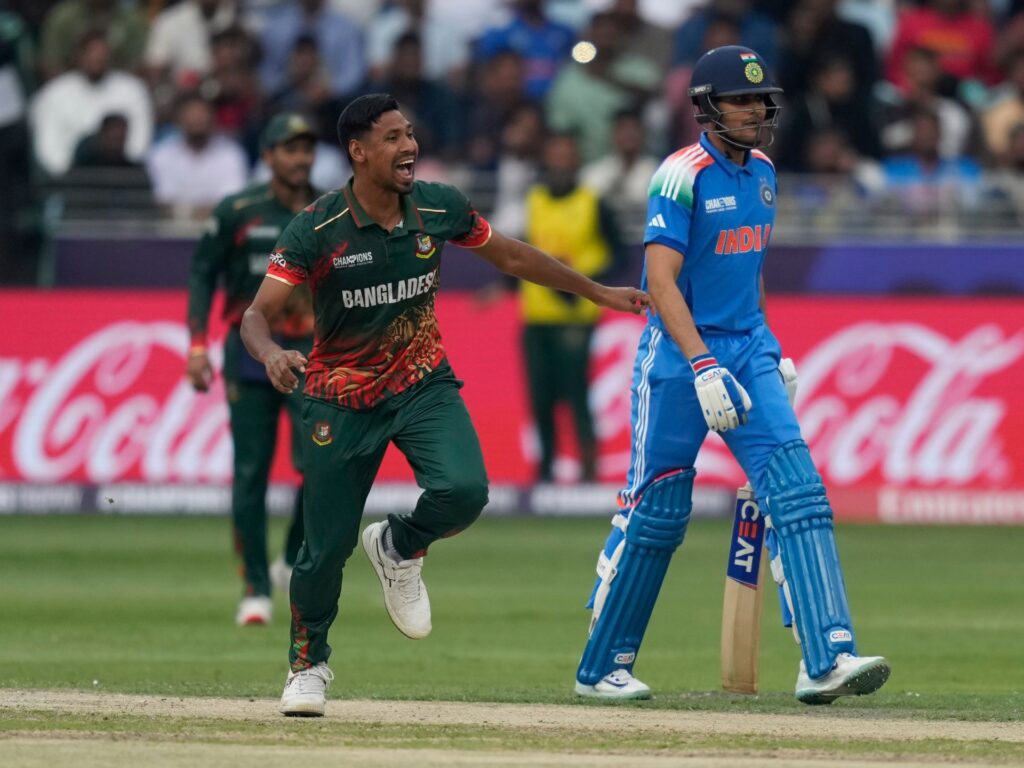
Cricket, traditionally known as a unifying sport in South Asia, is witnessing a disturbing shift as political tensions between India and Bangladesh escalate, spilling over into the cricketing arena. Recent events have brought to light how closely intertwined sports and diplomacy have become, with cricket now serving as a proxy battleground for broader geopolitical issues.
The latest controversy erupted when a prominent Indian cricket league controversially dropped a talented Bangladeshi bowler from its roster. This decision, widely perceived as a direct consequence of the rising diplomatic strains between the two neighbors, has sparked outrage among fans and analysts alike. The incident marks a significant low point in cricketing relations, which have traditionally enjoyed a spirit of camaraderie despite occasional political disagreements.
Experts believe that such moves reflect a disturbing trend where sports are increasingly weaponized to make political statements. The cricket league’s management cited “unforeseen circumstances” for the player’s removal, sparking speculation that external political pressures influenced the decision. This has incited a wave of criticism both domestically and internationally, questioning the integrity and independence of sporting bodies amidst escalating political disputes.
The Bangladesh Cricket Board (BCB) swiftly reacted, condemning the exclusion of their player as unjust and a setback to sporting diplomacy. Officials emphasized that sports should remain a platform for mutual respect and understanding, and urged for a resolution to prevent further politicization. Social media platforms buzzed with passionate debates, as fans from both nations expressed disappointment and concern over the deteriorating cricketing relations.
Historically, cricket has often acted as a bridge between India and Bangladesh, fostering goodwill and people-to-people connections. Matches between the two sides frequently attract massive viewership, reflecting the deep cricketing culture shared by both populations. There have been multiple efforts in the past to use cricket for diplomatic thawing during times of political chill.
However, the current scenario signals a shift. Analysts note that the manipulation of sports for geopolitical leverage undermines the spirit of the game and harms athletes caught in the crossfire. Players’ careers are being impacted, and fans are losing cherished moments of sporting joy due to circumstances beyond their control.
The broader implications of these tensions could affect upcoming bilateral series and tournaments, potentially reducing cross-border cricketing engagements that have been vital for both nations’ cricket development. Additionally, the controversy may prompt other cricketing nations and leagues to reconsider their policies on player inclusion amid geopolitical disputes.
Diplomats from both countries have acknowledged the sensitive nature of the dispute and the importance of maintaining sports as a neutral zone. There are tentative talks underway to de-escalate tensions, with hopes that cricket will reclaim its role as a conduit for friendly ties rather than a tool for conflict.
In conclusion, the India-Bangladesh cricket controversy serves as a cautionary tale about the dangers of entangling sports with political conflicts. While national pride and diplomatic issues are inevitable, preserving the sanctity of sports as a realm of fair play and unity remains crucial. As fans and players await a resolution, the cricketing community hopes for a swift return to the spirit of sportsmanship and camaraderie that once defined the India-Bangladesh cricketing relationship.