The recent consideration by the United States of possible military action to seize Greenland has stirred significant discussion within international circles, particularly affecting the unity of the NATO alliance. Greenland, an autonomous territory within the Kingdom of Denmark, holds strategic geopolitical importance due to its location in the Arctic and its rich natural resources.
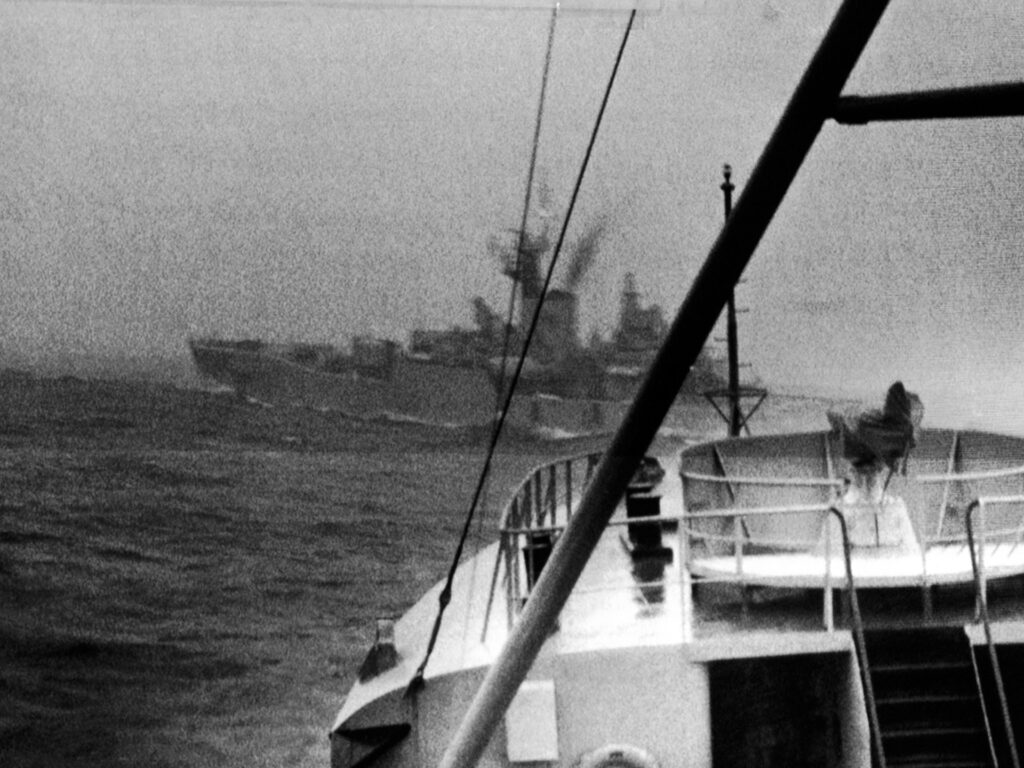
This unexpected proposition by the US has raised questions about the lengths to which NATO members might go when national interests collide, even within a longstanding alliance. The scenario draws attention to historical and contemporary tensions where allied NATO countries have faced conflicts or near-conflicts despite their alliance commitments.
Historically, NATO has been established primarily as a collective defense alliance to deter aggression from outside powers. Yet, the complex political and territorial interests of member countries have occasionally caused friction and confrontations that risk undermining alliance cohesion.
The prospect of the US considering military action against a territory linked to Denmark, another NATO member, exemplifies the challenges NATO faces in balancing collective security with national interests. This move could create divisions within the alliance, as other NATO members might view it as a breach of trust and a threat to mutual respect among allies.
NATO’s strength lies in its ability to manage conflicts internally and to present a united front against external threats. However, the Greenland case illustrates how overlapping interests and unilateral actions might test this unity. It highlights the need for diplomatic engagement and robust mechanisms within NATO to address disputes and prevent escalation among members.
The strategic value of Greenland comes from its geographic position, providing control over crucial Arctic sea routes and proximity to North American and European territories. Its resources and potential for military installations make it a coveted asset for global powers seeking influence in the Arctic region.
As debates continue over Greenland’s future, the scenario serves as a case study in alliance dynamics, particularly how members navigate sovereignty issues, territorial ambitions, and collective defense obligations. The tensions remind policymakers and citizens alike of the delicate balance between cooperation and competition within international alliances.
Going forward, it will be critical for NATO to reaffirm its commitment to dialogue and mutual respect among members to mitigate the risks of conflict arising from territorial disputes. The Greenland situation underscores the importance of finding peaceful solutions that uphold alliance solidarity while respecting national sovereignty.
In conclusion, while NATO members have generally avoided direct military conflicts with one another, the Greenland claims reveal how close tensions can escalate when vital national interests are at stake. This issue exemplifies the challenges of maintaining alliance cohesion amid competing geopolitical goals, emphasizing the need for careful diplomacy and strategic foresight within NATO.